



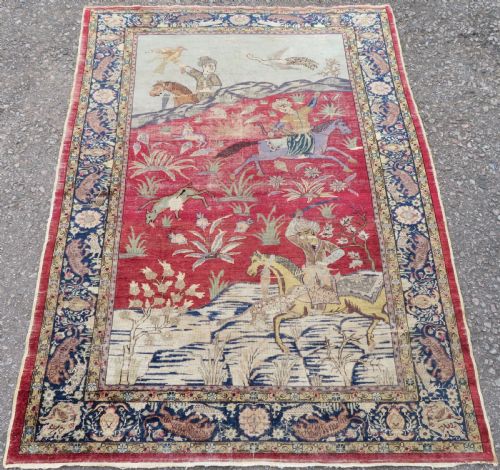


Blue Turkish Rug
A blue turkish rug brings the soft, historic hues of Anatolia into a room through centuries of hand-knotted tradition.
Blue Turkish Rug
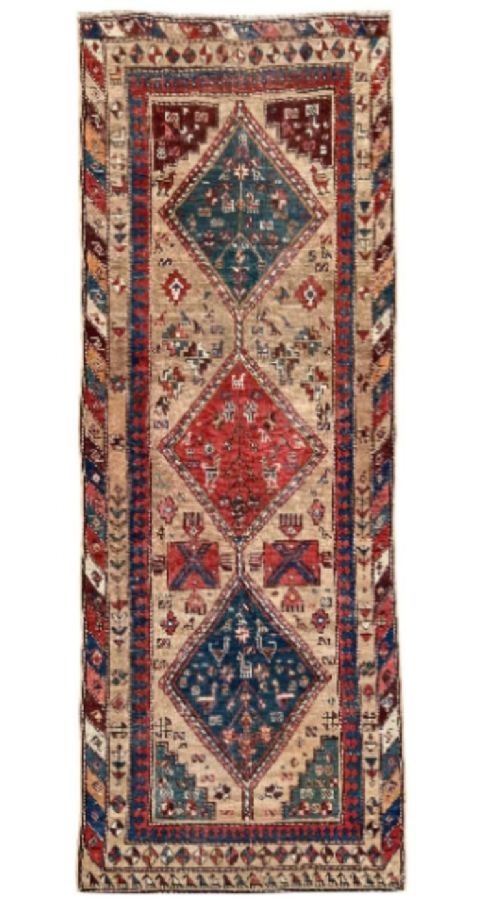
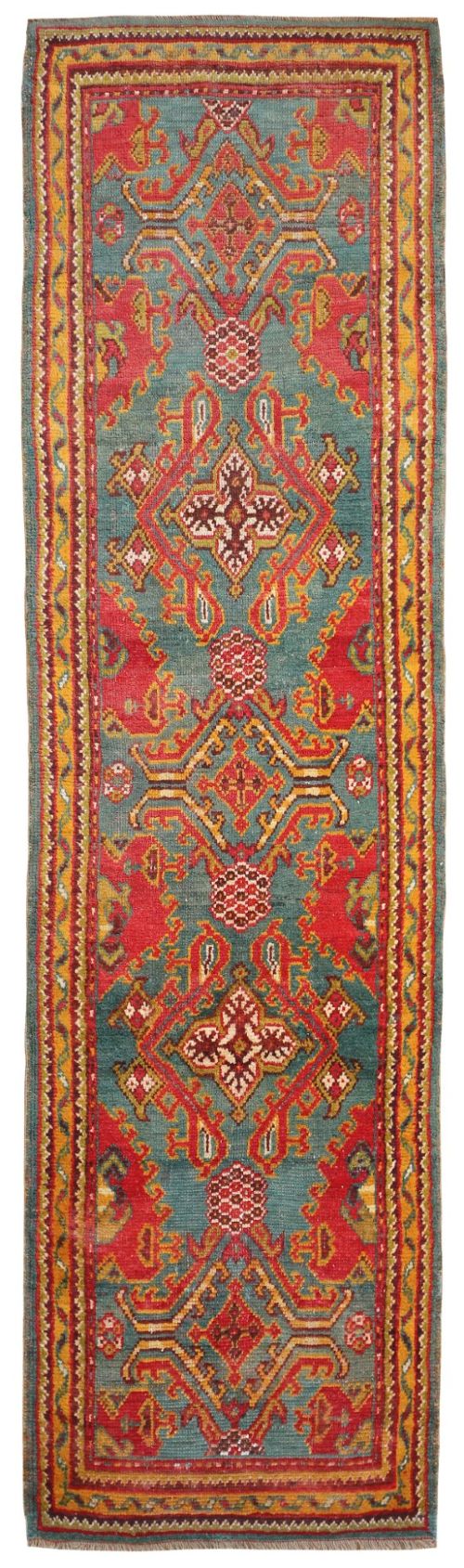
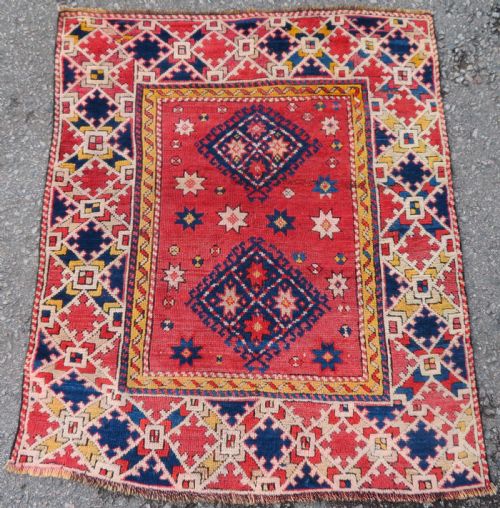
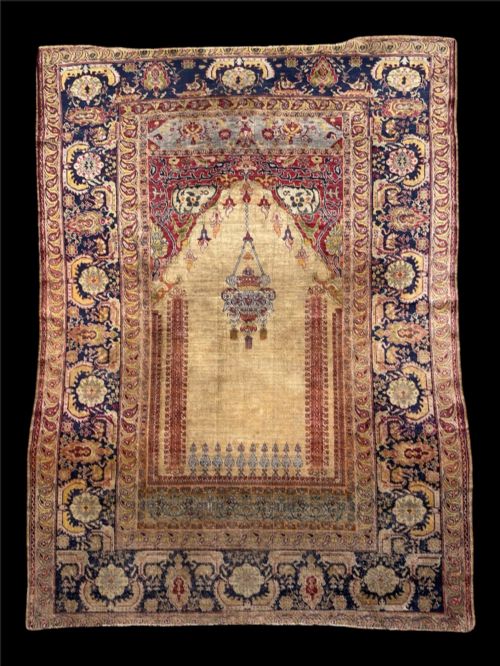
A blue turkish rug encompasses hand-woven floor coverings and wall hangings originating from Anatolian weaving centres, spanning village formats to grand room-sized carpets. Buyers searching this phrase encounter examples ranging from compact prayer rugs and narrow runners to large carpets woven in regional styles such as Ushak, Bergama, and Konya.
The selection on this page leans heavily toward nineteenth and early twentieth-century village and workshop pieces, dominated by recurring regional patterns and muted blue fields. Traditional formats include specific prayer designs and flat-woven kelims alongside pile carpets with geometric or floral medallions.
Regional variations display distinct structural characteristics, from the fine knots of western Anatolian workshops to the coarser, sturdier weaves of nomadic or village cooperatives. These pieces connect modern interiors directly to the historical weaving traditions of the Ottoman world.
Materials and construction
Weavers constructed these pieces predominantly using wool for both the foundation warps and wefts, occasionally incorporating angora wool or silk in specific workshop and prayer formats. Cotton foundations also appear in various regional nineteenth-century rugs, providing structural stability for denser pile knots.
Dyes derived from natural sources imparted the characteristic blue tones, ranging from pale powder blue to deep indigo, which mellow over time through exposure and gentle wear. Artisans tied symmetrical or asymmetrical knots by hand onto vertical looms, finishing the edges with bound selvages and retaining original kilim end finishes where possible.
The inventory records traditional regional styles including Ushak, Bergama, Konya, Ladik, and Ghiordes across various runner and carpet dimensions.
Assessing quality and character
Quality in these textiles rests upon the fineness of the knot count, the precision of the design execution, and the depth and complexity of the natural dye palette. Superior examples display harmonious colour transitions across the field and crisp definition within medallions or prayer arches.
The integrity of the foundation and the preservation of original borders and ends dictate the structural standing of each piece. Workshop originations, particularly from major centres like Ushak, often exhibit finer wool quality and more ambitious scale compared to smaller village productions.
The Blue Turkish Rug Glossary
- Kelim
- A flat-woven carpet or rug produced without a pile by tightly interlacing warp and weft threads. These pieces often feature sharp geometric motifs.
- Prayer rug
- A small rug featuring a mihrab or arch design indicating the direction of prayer. Historically utilised for personal devotion.
- Medhali
- A central ornamental design motif placed in the middle of the rug field. It anchors the composition of many Anatolian carpets.
- Ushak
- A major carpet-producing town in western Anatolia known for large-scale floral designs and subdued colour palettes. Ushak carpets often utilise high-grade wool.
- Yastik
- A small pillow or cushion face traditionally woven in Anatolian villages. Collectors prize them for their concentrated tribal designs.
Blue Turkish Rug: Frequently Asked Questions
How do I clean an old rug?
Surface dust should be removed gently using low-suction vacuuming without a rotating brush bar, avoiding the fragile woven ends.
Professional specialist cleaning is required for deeper maintenance to prevent dye bleed or fibre distortion.
Are these pieces suitable for hallways?
Narrow runner formats and sturdy village weaves handle moderate foot traffic effectively when placed over a quality underlay.
Placing them in heavy traffic areas requires careful consideration of pile wear and structural preservation.
What causes the blue colour variation?
Natural indigo and plant-based dyes interact uniquely with individual wool batches and decades of light exposure.
This creates subtle tonal shifts across the field, known to collectors as abrage.
How do I identify a prayer rug?
The field incorporates a distinct pointed arch or mihrab shape pointing toward one end of the textile.
Historically, this design directed the user during daily prayers in homes and mosques.