



Blue Tribal Weaving
Blue tribal weaving brings together hand-spun wool and natural dyes in rugs, bags and carpets made across Persia, the Caucasus and Anatolia.
Blue Tribal Weaving
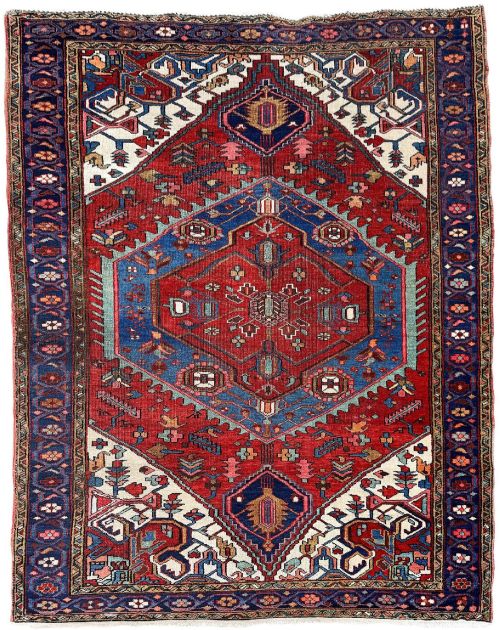
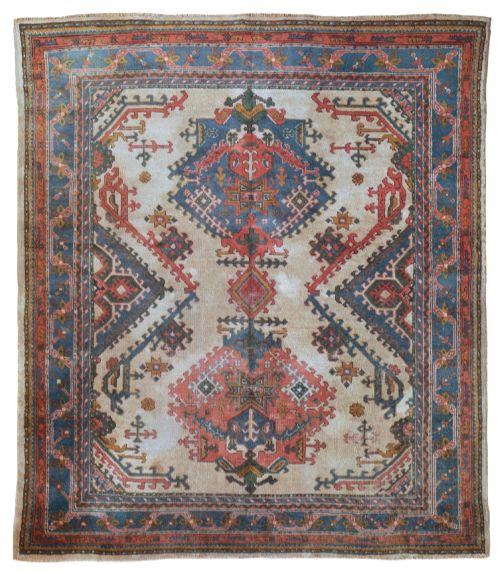
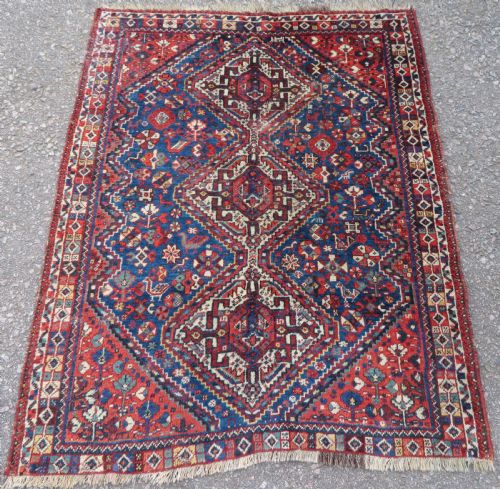
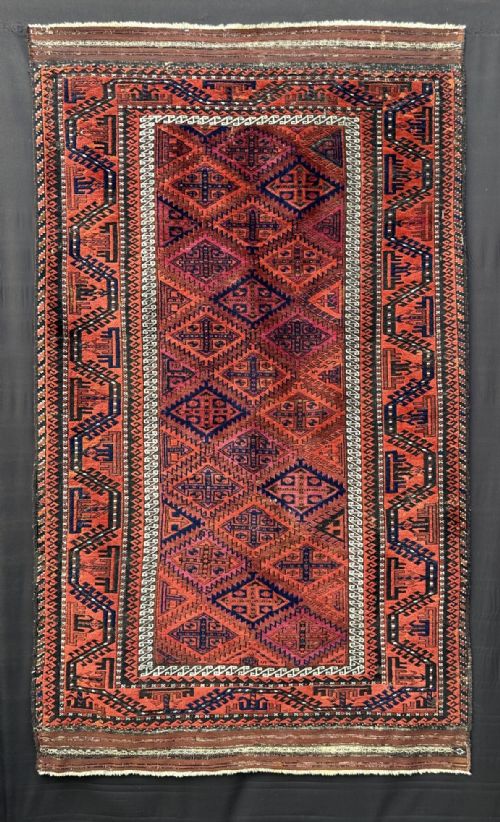
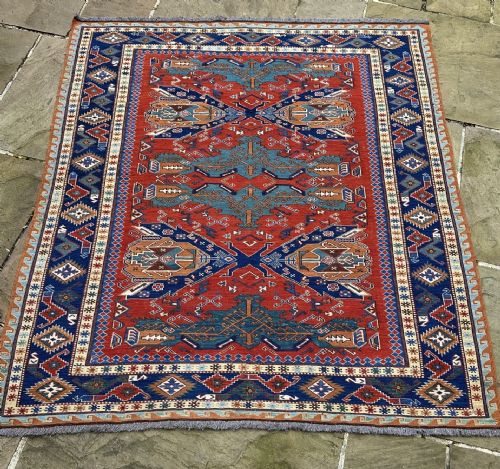
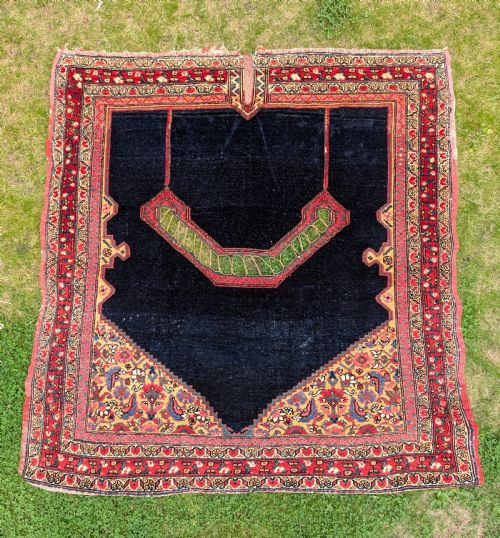
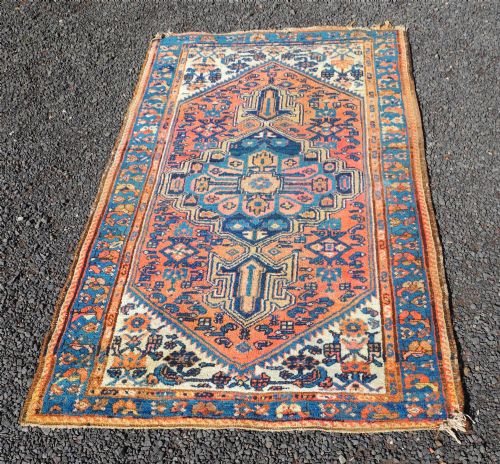
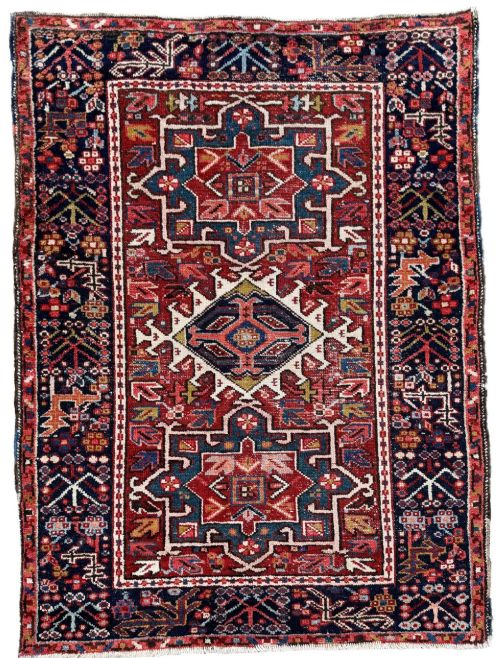
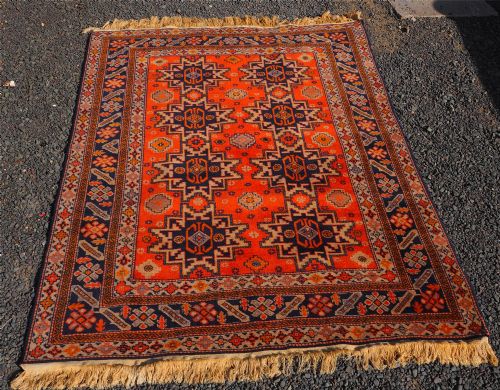
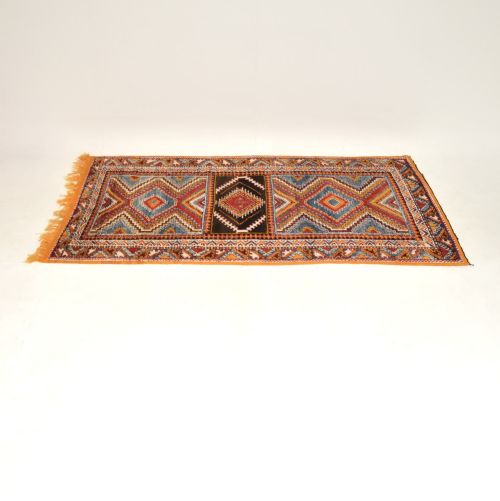
Blue tribal weaving encompasses hand-knotted rugs, flatweave kilims, saddle covers, vanity bags and storage bags produced by nomadic and village groups. When searching for blue tribal weaving, a buyer encounters pieces originating from regions such as Persia, the Caucasus, and Anatolia, dating from the nineteenth century into the mid-twentieth century.
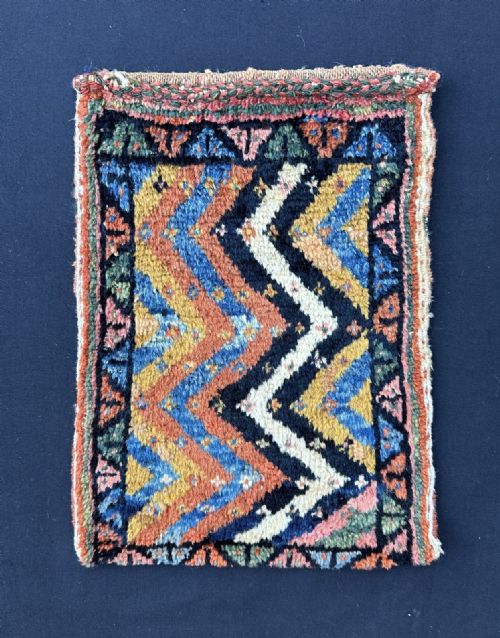
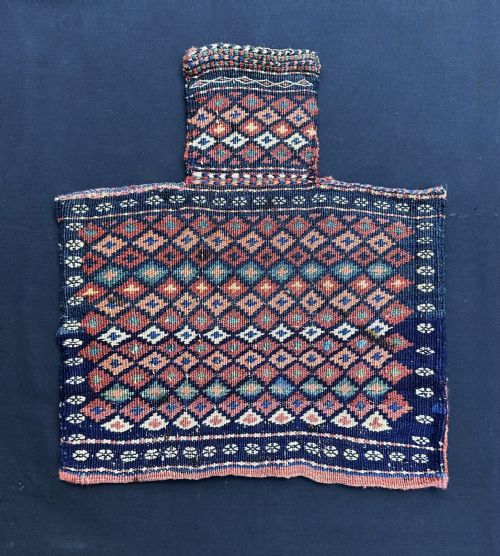
The selections on this page demonstrate the varied output of specific groups including the Khamseh, Baluch, Luri, Bakhtiari, Afshar and Qashqai confederacies. These items served practical domestic and nomadic functions, ranging from large carpets to small utilitarian salt bags and spindle bags.
How they were made
The makers relied primarily on hand-spun wool and cotton, combining these fibres with natural dyes to create durable floor coverings and utilitarian bags. Weavers knotted or flat-wove the wool by hand, frequently incorporating geometric medallions and regional motifs into the structure.
Certain textile forms also integrate materials such as glass beads for specific decorative accents. The construction methods reflect traditional nomadic and village practices passed down through generations.
Blue Tribal Weaving Retail Price Guide 2026
Typical asking prices for blue tribal weaving among the pieces listed under this phrase on Sellingantiques today, from the lower quarter to the upper quarter. They describe what is for sale here now, not the wider market.
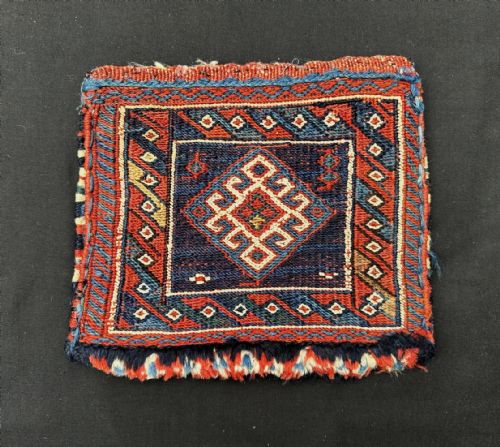
Salt-bags and vanity-bags reveal the intimate domestic life of nineteenth-century nomads who wove their worldly possessions by hand.
What varies in quality
Quality in these textiles rests upon the fineness of the hand-knotting and the integrity of the wool. Tighter structures and well-preserved natural dye palettes distinguish the finer examples from standard production.
The clarity of the geometric design and the precision of the weaving technique further separate exemplary pieces from simpler utilitarian items.
The Blue Tribal Weaving Glossary
- Kilim
- A flat-woven carpet or rug produced without a pile. These pieces rely on warp and weft interweaving to form geometric patterns.
- Soumak
- A flat-weave technique involving wrapping weft threads over warp threads in a continuous brocade-like structure. This method yields a thicker and more durable fabric than standard flatweaving.
- Khorjin
- A traditional double-sided saddlebag used by nomadic tribes for transport and storage. One half of a divided pair is known as a half-khorjin.
- Kazak
- A term applied to rugs woven in the southern and western Caucasus by various tribal groups. These pieces typically feature bold geometric designs and saturated primary colours.
- Medallion
- A central ornamental motif placed in the field of a rug or carpet. It forms the focal point of the symmetrical or repeating geometric composition.
Blue Tribal Weaving: Frequently Asked Questions
What is blue tribal weaving?
Blue tribal weaving refers to hand-knotted rugs, carpets and utilitarian bags produced by nomadic and village weavers using wool and natural dyes.
These textiles originate from regions including Persia, the Caucasus and Central Asia, spanning the nineteenth and twentieth centuries.
How were tribal bags used?
Nomadic groups utilised bags such as salt-bags, vanity-bags and spindle-bags for daily storage and transport during migration.
Items like the khorjin were slung across pack animals to hold personal possessions and household goods.
How do I identify a Kazak rug?
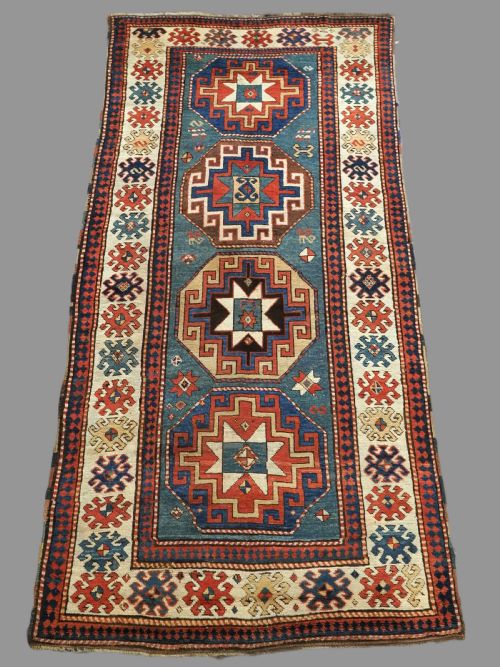
Kazak rugs originate from the Caucasus and are recognised by their bold geometric medallions and heavy wool construction.
They frequently display strong primary colour palettes with crisp, rectilinear drawing.
Where were Afshar rugs made?
Afshar rugs were woven by the Afshar nomadic and village tribes settled in the Kerman province of southern Persia.
Their output often includes distinctive geometric field patterns and rich blue or red dye grounds.