


Blue Transferware Display Plate
A blue transferware display plate brings rich indigo scenes of distant landscapes and historic views directly onto your walls and sideboards.
Blue Transferware Display Plate
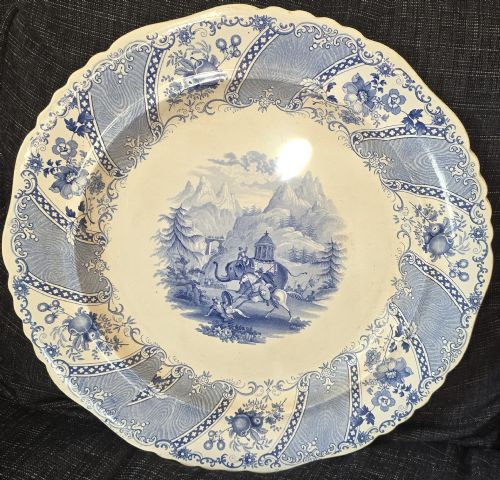
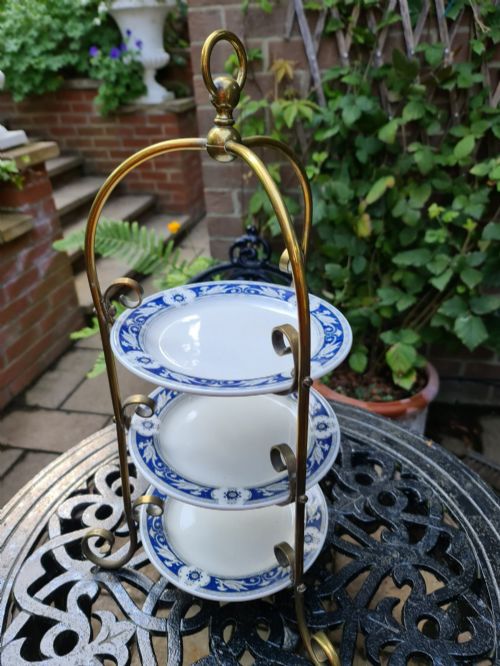
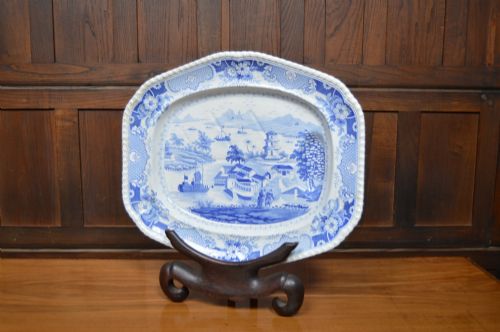
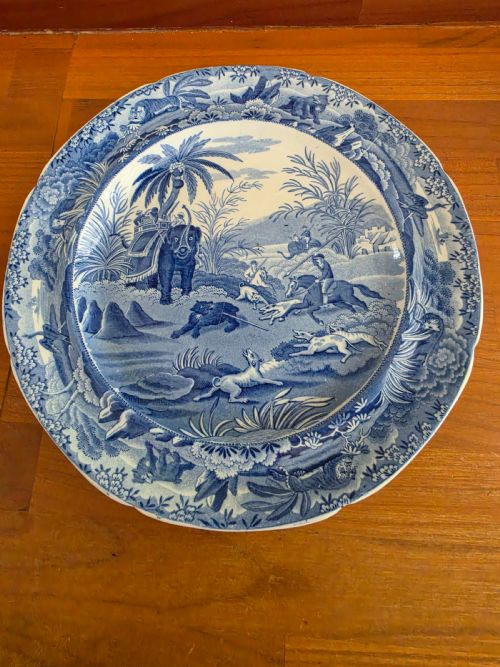
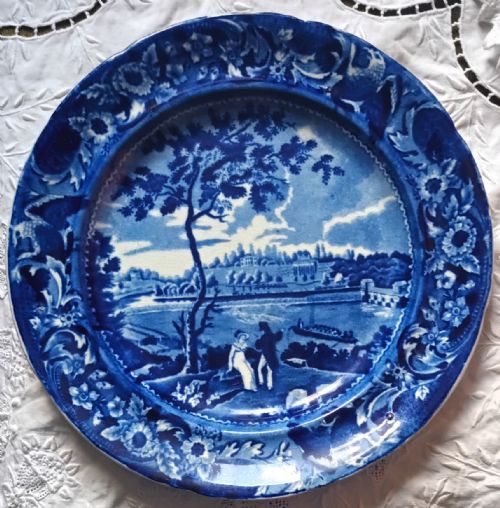
A blue transferware display plate presents printed monochrome imagery transferred from a copper plate onto ceramic surfaces. The examples you encounter span the nineteenth century, including Georgian, Victorian, and Edwardian eras, taking the form of chargers, dessert plates, and decorative dishes.
The subjects range from exotic topographical views such as India Temple and Penang to pastoral subjects like The Beemaster and botanical studies. Makers utilised earthenware, ironstone, and stoneware as bodies, finished with glossy glazes that preserve the deep blue pigment.
Distinctions in quality
Quality rests in the crispness of the transfer print and the clarity of the glaze, where finer plates avoid blurring or smudging in dense pictorial areas. The weight and refinement of the underlying earthenware or ironstone also separate standard utility wares from superior display chargers.
A well-preserved surface retains its glossy sheen without excessive crazing, allowing the narrative detail of patterns like historical views or botanical studies to remain sharp to the eye.
Spode·Stubbs·John Ridgway·Minton·Elkin And Newbon·William Adams·Masons Ironstone
The Blue Transferware Display Plate Glossary
- Transferware
- Pottery decorated by transferring a printed design from an engraved copper plate onto the ceramic body via paper. This method allowed intricate pictorial scenes to be produced efficiently.
- Charger
- A large decorative plate traditionally used for ceremonial display rather than dining. These pieces showcase expansive landscape or architectural transfer patterns.
- Ironstone
- A dense, durable type of heavy earthenware patented in the nineteenth century. It resists chipping and provides a sturdy canvas for blue and white printing.
- Crazing
- A network of fine cracks in the ceramic glaze caused by tension between the body and the glass surface over time. It appears as a web-like pattern across the plate.
Blue Transferware Display Plate: Frequently Asked Questions
How do I hang a display plate safely?
Use spring-loaded brass hangers that grip the rim evenly without putting stress on the ceramic body. Ensure the wall fixing is secure before mounting heavier chargers.
Check the hanger periodically to confirm the rubber or vinyl tips protect the glaze from scratching.
Are these plates meant for daily dining?
Most antique examples serve primarily as decorative display items due to their age and delicate glaze surfaces. Using them for food risks damaging historical printed ironstone and earthenware.
Keep them on plate stands or walls to preserve their printed transfer scenes.
How do I date an early transferware plate?
Examine the back of the ceramic for impressed potter marks, pattern names, or registry diamonds that indicate exact production years. The style of the border and the tone of the blue pigment also offer clues to the decade.
Early nineteenth-century pieces often feature specific topographical titles associated with documented Staffordshire makers.
What causes the blue colour to vary?
Variations in cobalt oxide mixtures and kiln temperatures create differences ranging from pale slate blue to deep indigo. Each copper plate transfer absorbs the pigment slightly differently during firing.
This chemical interaction gives every nineteenth-century plate its distinct visual character.