



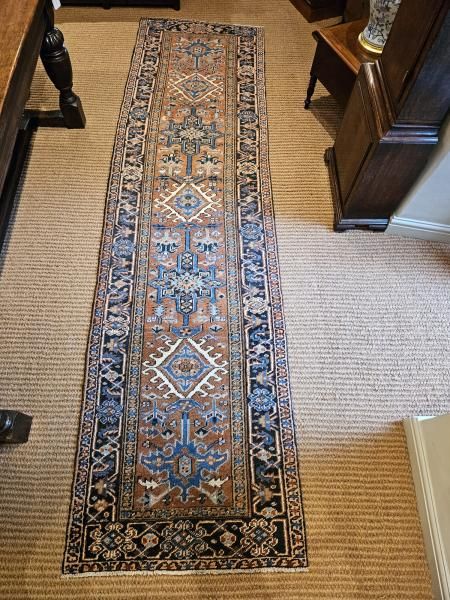
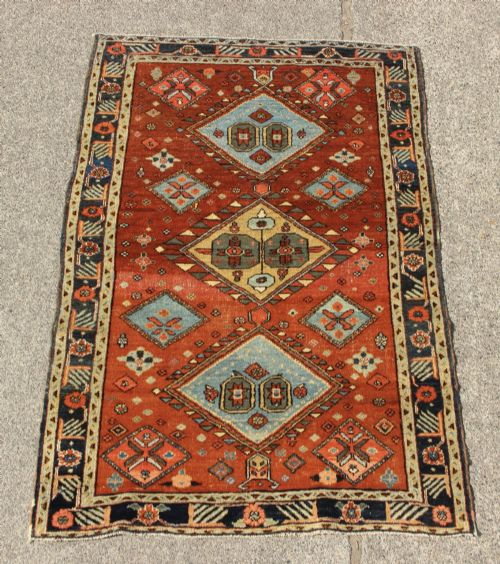
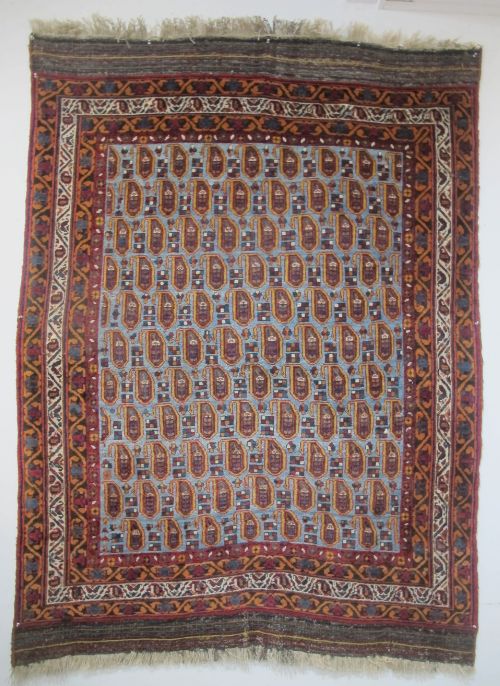
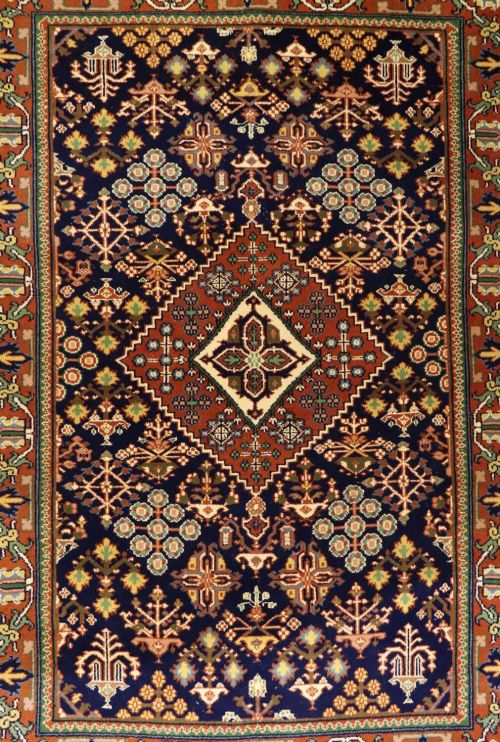


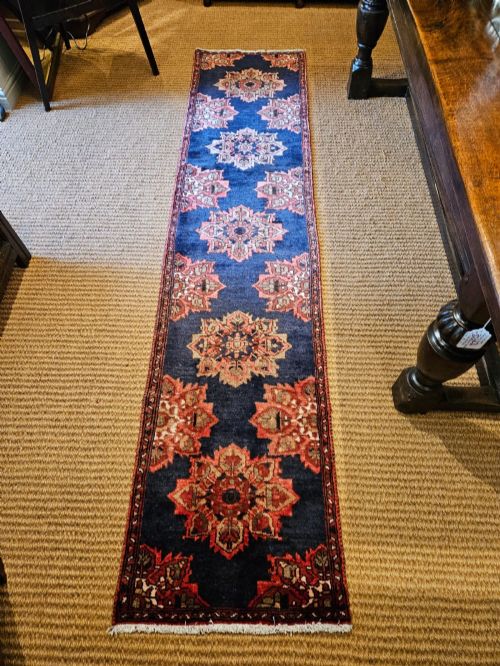
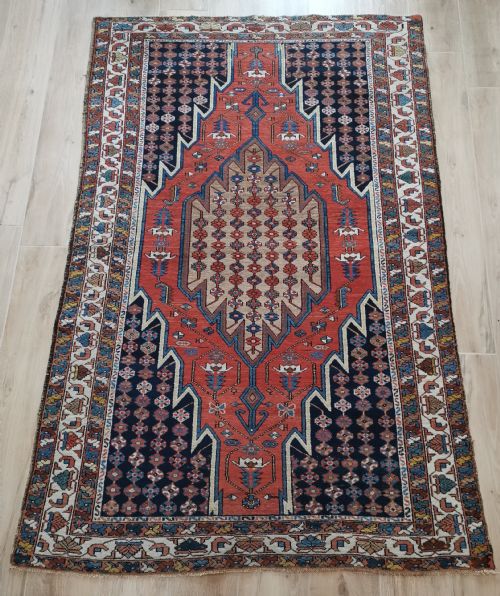
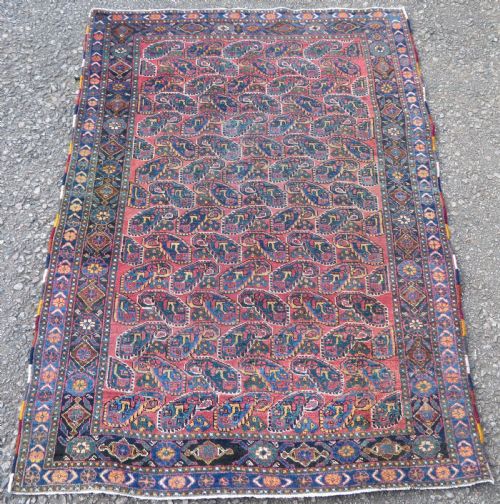
Blue Terracotta Wool Rug
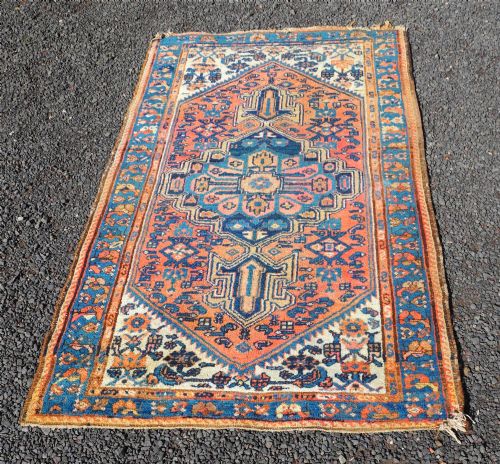
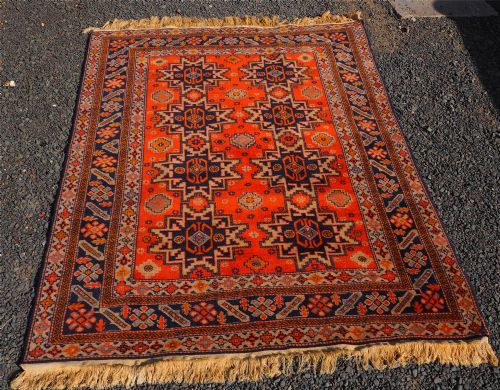
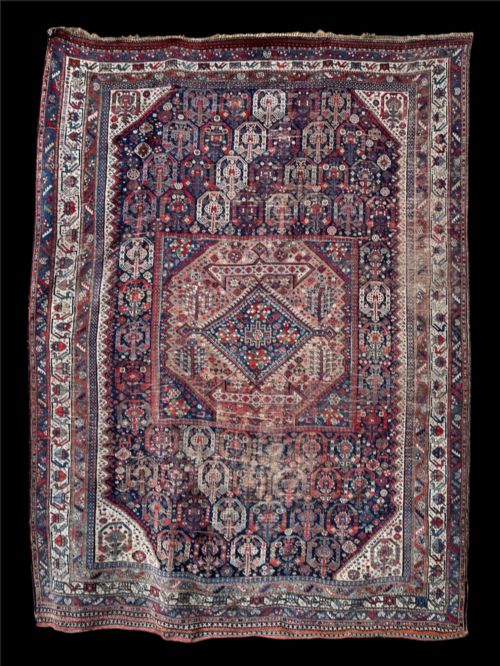
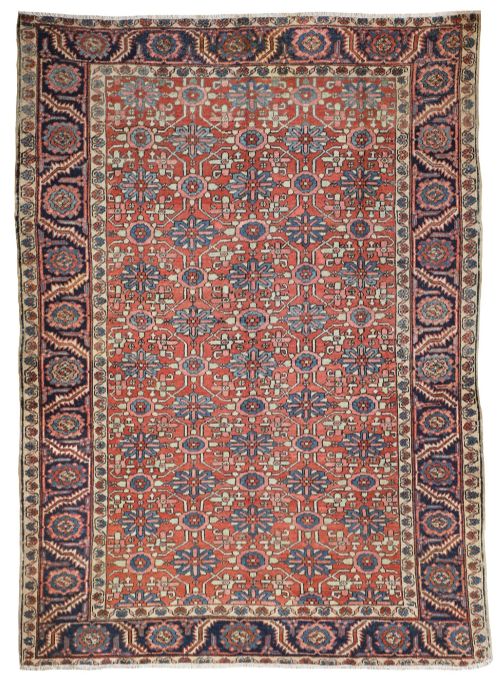
These pieces known as a blue terracotta wool rug bring warmth and rich indigo hues to a room through traditional hand-knotted pile.
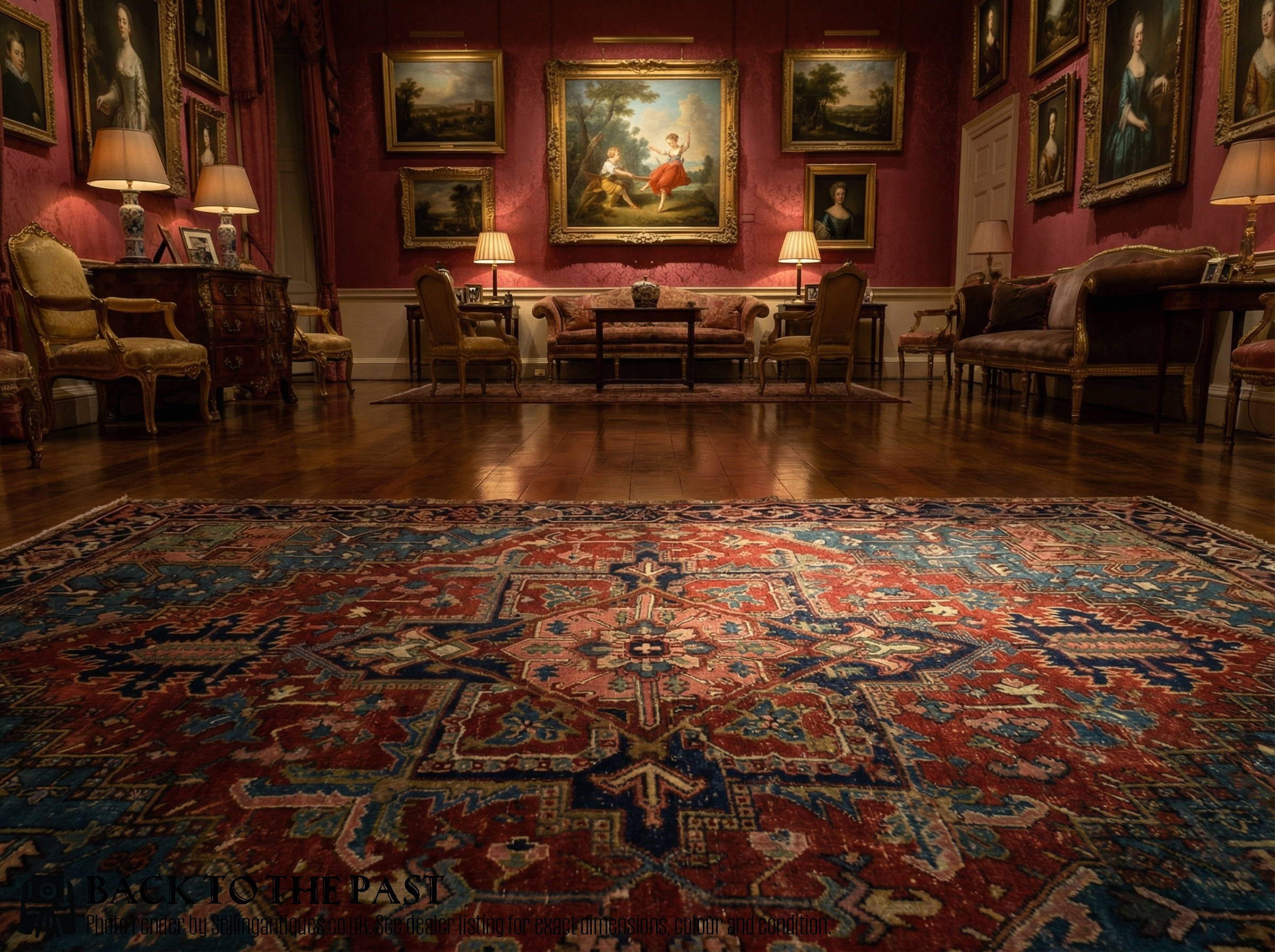
Blue Terracotta Wool Rug
When searching for a blue terracotta wool rug, buyers encounter hand-knotted floor coverings spanning the late nineteenth century to the mid-twentieth century. The selection includes tribal weavings and village carpets originating from Persian, Caucasian and Ottoman regions.
The format ranges from small scatter rugs and salt-bags to long runners and large room-size carpets. Heriz, Afshar, Bakhtiari and Oushak workshops or tribal groups dominate the styles found in these listings.
How they were made
Weavers utilised natural dyes to achieve deep indigo blues and earthy terracotta tones on wool foundations tied with cotton. The pile consists of hand-spun wool knotted tightly by hand onto warp and weft threads.
Tribal and village pieces display geometric medallions, all-over patterns and prayer designs worked directly from memory or traditional local cartoons.
Listings feature nineteenth and twentieth-century Persian and Caucasian wool rugs utilising natural dyes in geometric and regional styles.
What varies in quality
Knot density and the precision of the geometric design separate standard village rugs from exceptionally fine city workshop carpets. The depth, complexity and condition of natural dye colours dictate the visual impact.
Uniformity in pile retention and the integrity of the original wool selvages indicate how well a piece has survived decades of domestic use.
The Blue Terracotta Wool Rug Glossary
- Heriz
- A region in north-west Persia known for producing large, durable carpets with bold geometric medallions and terracotta fields. These pieces often incorporate robust wool and distinctive angular motifs.
- Afshar
- A tribal group from south-east Persia producing rugs with rich blue and terracotta tones, frequently featuring repeated boteh or geometric bird motifs. Their work is typically compact and tightly knotted.
- Sumak
- A flat-weave technique where decorative weft threads are wrapped around the warp threads without producing a cut pile. This method creates a sturdy textile with a textured surface.
- Runner
- A long, narrow carpet format designed for hallways, staircases or galleries. These pieces maintain a balanced composition along an extended rectangular axis.
- Natural Dyes
- Organic colourants derived from plants, insects and minerals used before synthetic aniline dyes became widespread. They yield subtle tonal variations and age with a characteristic patina.
Blue Terracotta Wool Rug: Frequently Asked Questions
How do I clean an old wool rug?
Surface dust can be removed gently using a low-suction vacuum without a beating bar. Professional textile conservators should handle wet cleaning to protect natural dyes.
Harsh chemical detergents or mechanical washing will damage the wool pile and alter the historic colours permanently.
Are these rugs suitable for heavy traffic?
Traditional hand-knotted wool pile provides natural resilience against regular footstep wear. Dense weaves withstand hallway and living room environments effectively.
Purchasing a suitable underlay helps prevent slipping and cushions the foundation fibres from hard subfloors.
How do I identify a tribal rug?
Tribal pieces display asymmetric geometric patterns, spontaneous design variations and chunky wool yarns. They reflect the nomadic or village traditions of specific regional weavers rather than formal court workshops.
Irregularities in the outer borders and spontaneous shifts in colour tone are typical characteristics of these handmade textiles.
Why do some carpets look distressed?
Decades of daily use, sunlight exposure and natural wear create a faded patina across the wool surface. Many collectors value this mellowed appearance for its historical depth.
Patina demonstrates genuine age and softens the intensity of indigo and terracotta shades within a domestic interior.