

Blue Sevres Porcelain
Blue sevres porcelain pieces combine rich cobalt and turquoise grounds with hand-painted scenes and gilded mounts, bringing nineteenth-century French elegance into an interior.
Blue Sevres Porcelain
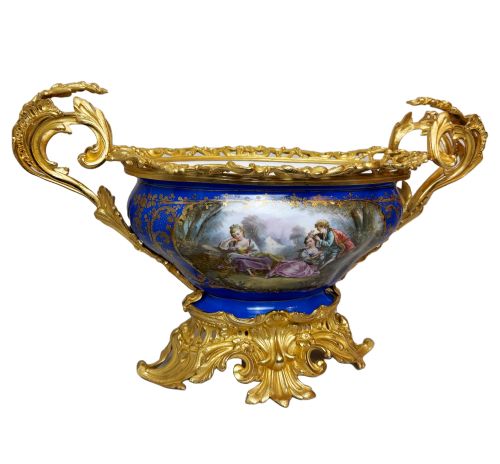
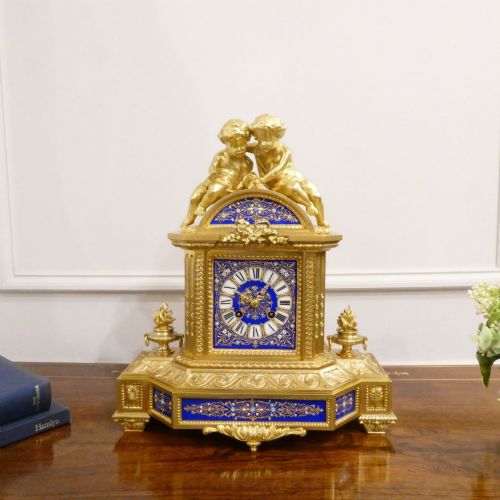
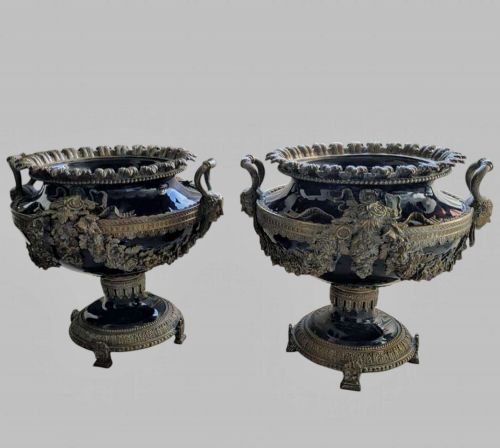
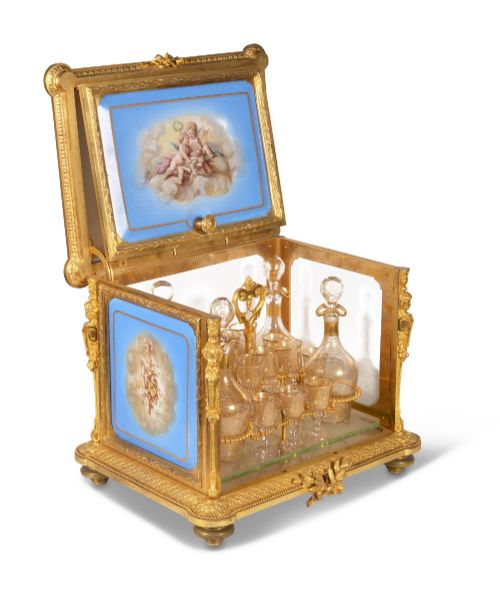
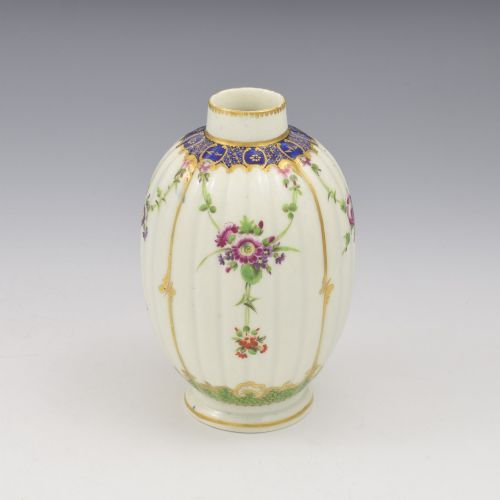
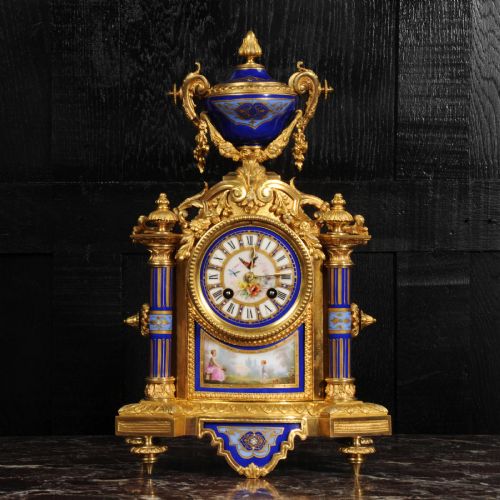
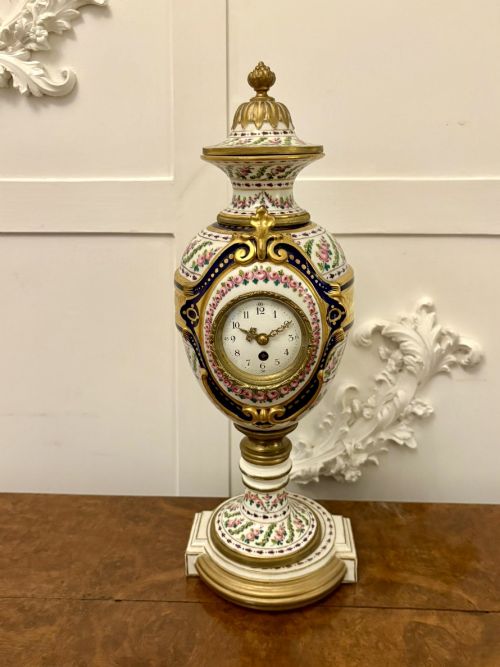
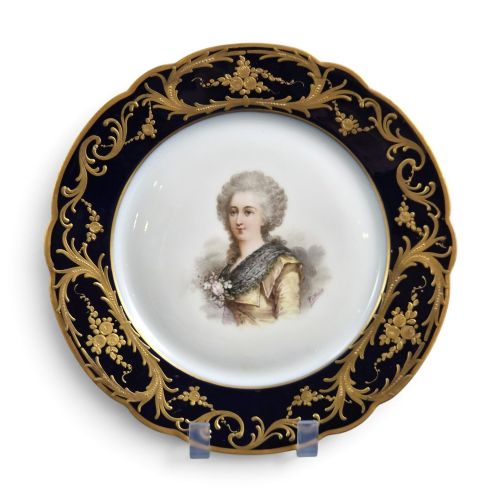
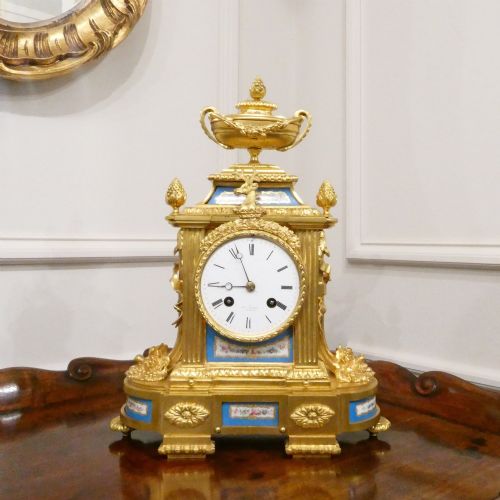
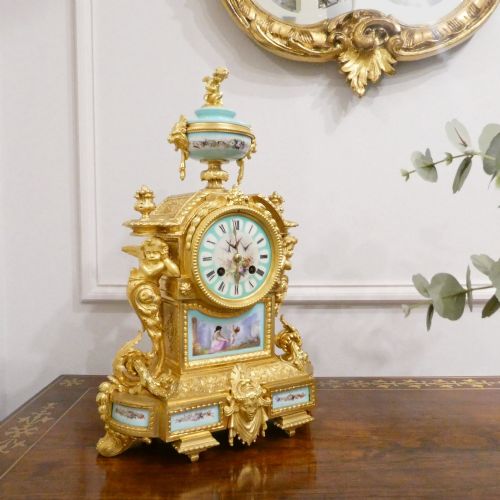
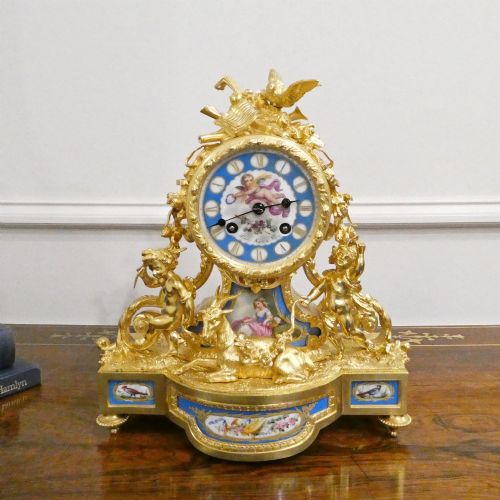
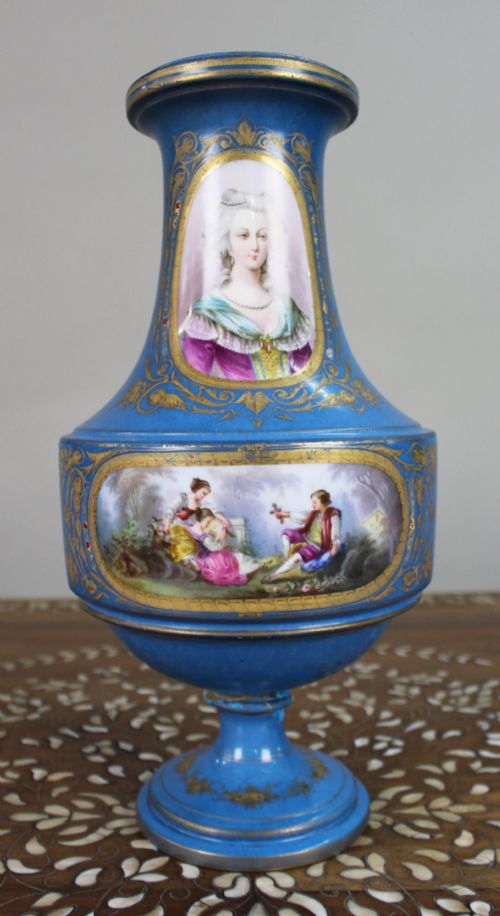
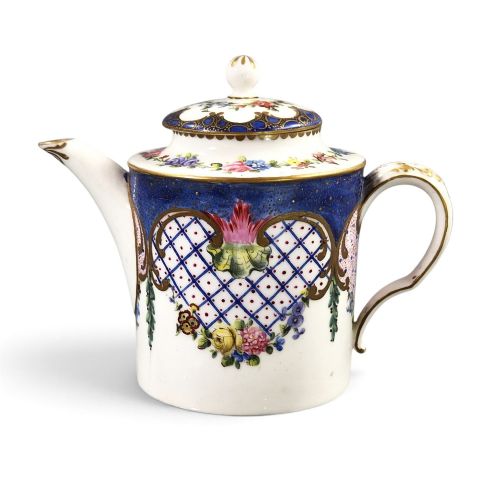
Blue sevres porcelain encompasses decorative items ranging from mantel clocks and urn-shaped vases to cabinet plates, jewellery caskets and table lamps. These pieces originate predominantly from the nineteenth century, reflecting French Rococo Revival and Louis XVI styles, alongside eighteenth-century items.
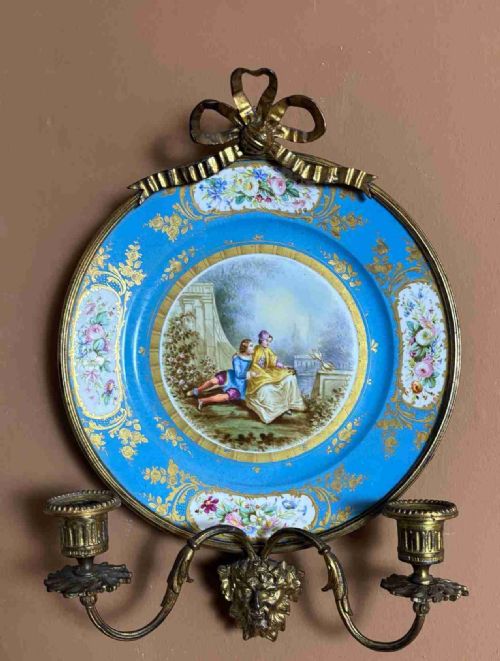
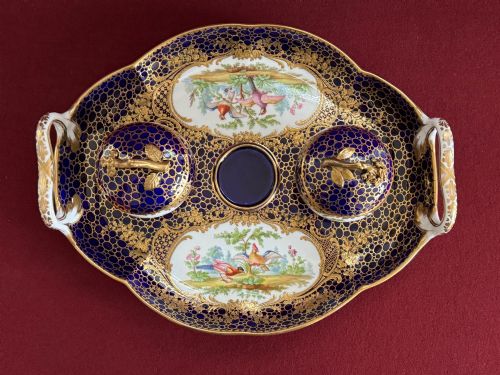
The objects frequently feature deep cobalt or bleu céleste grounds enriched by hand-painted portraits or pastoral scenes. Ormolu, gilt bronze and gilded metal mounts are paired with the porcelain in many examples, particularly in clock garnitures and wall sconces.
How they were made
Craftsmen utilised soft-paste or hard-paste porcelain bodies, applying vibrant blue glazes such as cobalt and bleu céleste before firing. Hand-painted details, including portraits and landscapes, were added over the glaze and fired again.
Metalworkers cast and chased ormolu and gilt bronze mounts to encase and accent the ceramic bodies. Gold leaf and enamel details were applied by hand to finish the decorative surfaces of vases, boxes and clock cases.
Blue Sevres Porcelain Retail Price Guide 2026
Typical asking prices for blue sevres porcelain among the pieces listed under this phrase on Sellingantiques today, from the lower quarter to the upper quarter. They describe what is for sale here now, not the wider market.
Walking sword sticks concealed within porcelain handles reveal that nineteenth-century elegance occasionally carried a hidden edge.
What varies in quality
The refinement of the hand-painted decoration separates standard factory output from exhibition pieces, with miniature portraits and Watteau scenes showing greater brushwork detail. The weight, crispness and chasing of the ormolu or gilt bronze mounts also determine the calibre of the piece.
The harmony between the ceramic body and its metal mounts indicates the skill of the maker. Complete, matching garnitures and fully restored clock movements demonstrate higher preservation standards than isolated or altered items.
Japy Freres·Henry Marc·Etienne Lenoir·Samson Paris·Kerr Binns·Ambroise Michel·Minton
The Blue Sevres Porcelain Glossary
- Bleu céleste
- A bright turquoise-blue ground colour associated with decorative porcelain. It provides a vivid backdrop for gilt detailing and painted reserves.
- Ormolu
- Gilt bronze mounted onto decorative objects. The technique involves applying a fine layer of gold to a bronze base.
- Garniture
- A set of matching decorative ornaments, usually comprising a central clock or vase flanked by matching urns or candelabra. These sets were designed to sit symmetrically on a mantelpiece.
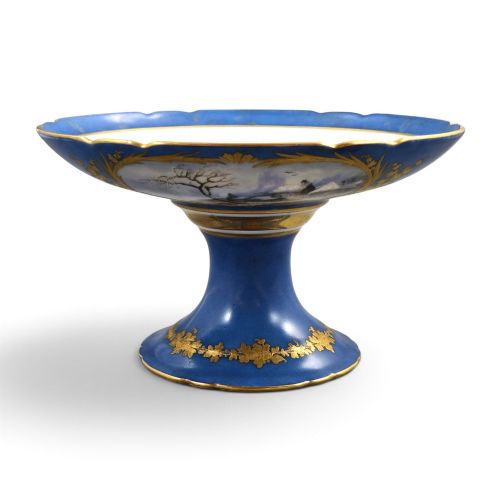
- Tazza
- A shallow saucer-shaped decorative vessel raised on a stem and foot. They are used for display rather than service.
- Soft-paste porcelain
- An artificial porcelain composition fired at lower temperatures than hard-paste. It has a distinctive warm texture and glaze interaction.
Blue Sevres Porcelain: Frequently Asked Questions
How do I identify true sevres porcelain?
Examine the underglaze marks and the quality of the hand-painted panels, noting that many nineteenth-century pieces are in the sevres style rather than from the royal factory itself.
The presence of finely chased ormolu mounts and rich cobalt or bleu céleste grounds also points to the high-status French aesthetic of the period.
Were these porcelain clocks meant to keep time?
Mantel clocks were fully functioning timepieces driven by mechanical movements housed within the porcelain and ormolu cases.
Today, many require professional restoration to run accurately while remaining striking decorative centerpieces.
What is a clock garniture?
A clock garniture is a matching set consisting of a central mantel clock accompanied by two side pieces, such as candelabra, vases or cassolettes.
They were designed during the nineteenth century to create a balanced, opulent display across a fireplace mantel.