

Blue Seascape
Blue seascape paintings and watercolours capture coastal views and marine traffic across the nineteenth and twentieth centuries.
Blue Seascape
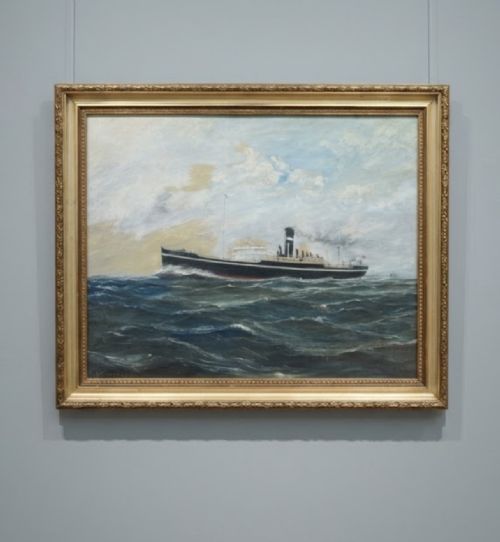
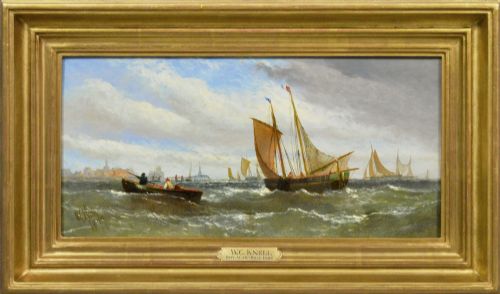
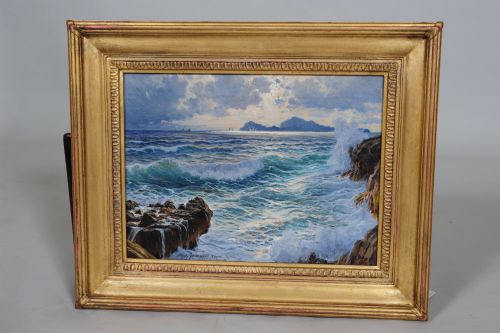
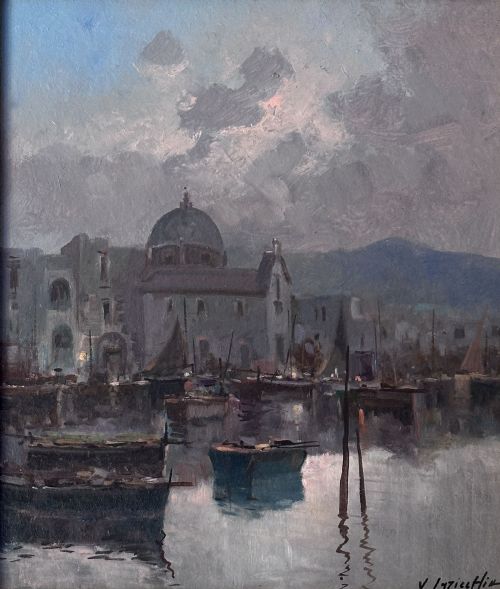
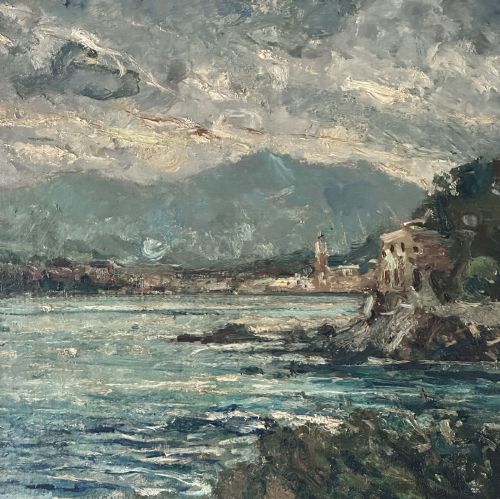
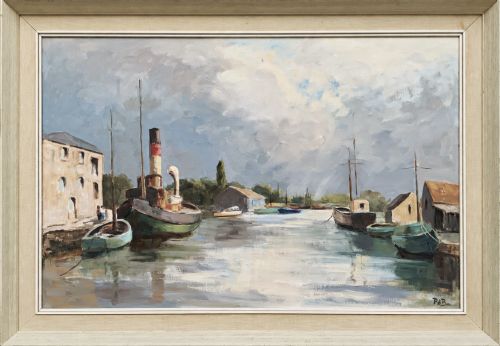
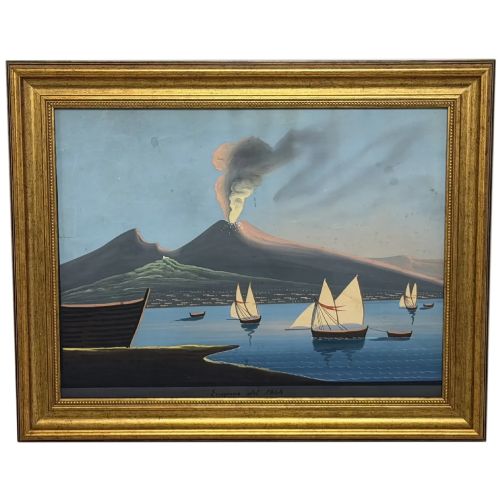
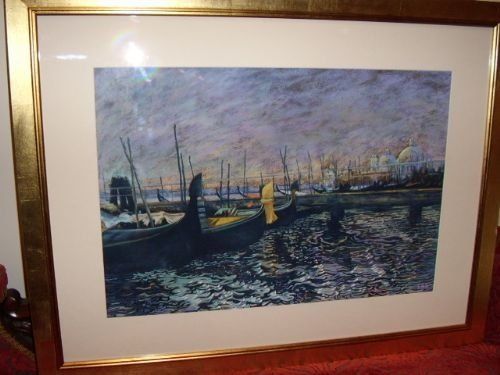
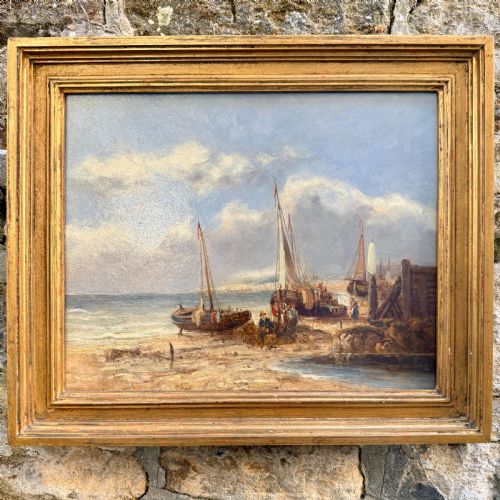
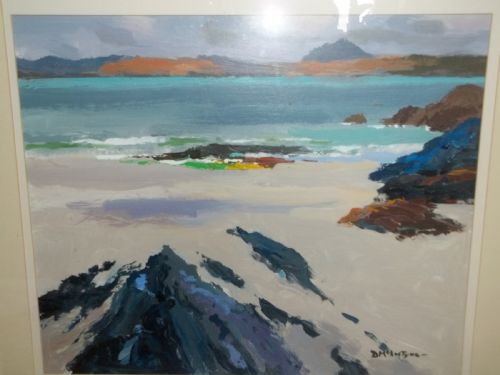
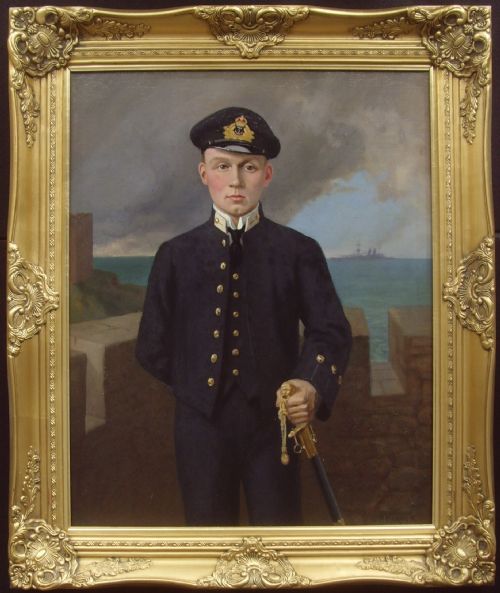
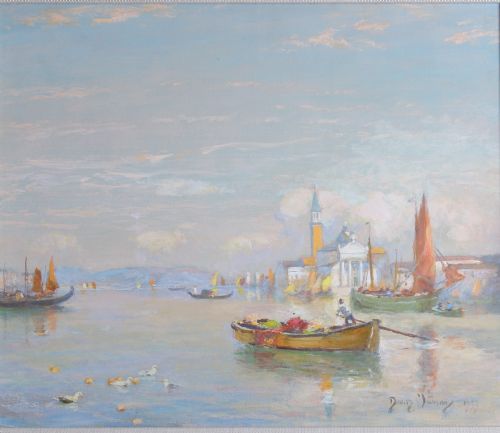
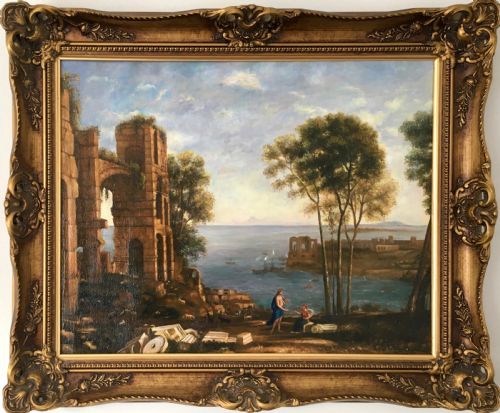
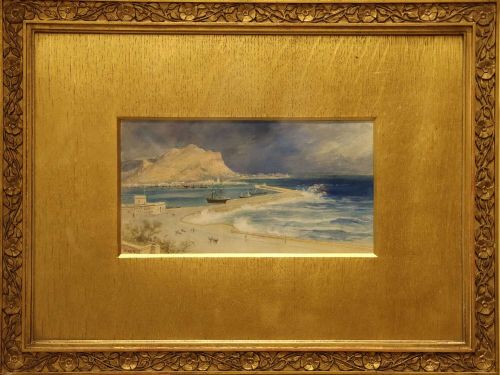
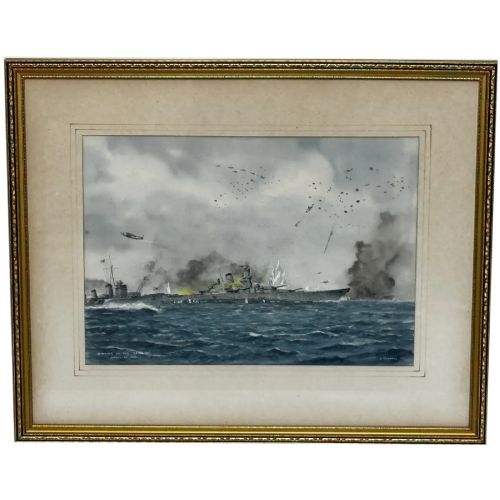
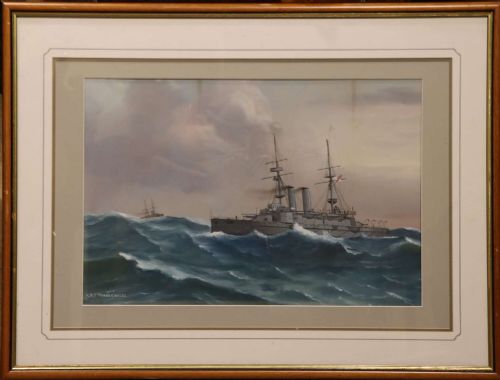
A blue seascape depicts maritime views, coastal shores, harbours and open water rendered primarily in blue tones. These works range from Victorian watercolours of fishing boats to mid-century oil paintings of calm seas and dramatic naval engagements.
The format appears across various media including canvas, paper and panel, housed in frames that often include gilt wood. Subject matter spans British coastal towns, Venetian lagoons and international waters under different weather conditions.
Buyers encounter traditional maritime scenes alongside modernist interpretations, reflecting stylistic shifts from nineteenth-century realism to mid-century British and European art movements.
Materials and methods
Artists painted blue seascapes using oil paint or watercolour applied to canvas, paper, wood panels or glass supports. En plein air methods allowed painters to capture changing coastal light directly on location.
Works on paper utilised ink pen, pastel and gouache alongside watercolour, while oil paintings on canvas or panel employed brushwork to render water texture and atmospheric sky conditions. Framing frequently involved gilt wood to complement the painted surface.
Blue Seascape Retail Price Guide 2026
Typical asking prices for blue seascape among the pieces listed under this phrase on Sellingantiques today, from the lower quarter to the upper quarter. They describe what is for sale here now, not the wider market.
Materials documented in the inventory include oil on canvas, watercolour, glass, paper, and gilt wood.
Judging quality in blue seascapes
Quality rests upon the artist's ability to handle light, water movement and atmospheric perspective within the blue palette. Stronger examples demonstrate confident brushwork and accurate vessel rigging or coastal topography.
Signatures, artist attribution and period context elevate certain works, distinguishing professional studio output from informal sketches. The integration of medium and support, such as oil on canvas or detailed watercolour on paper, also dictates the piece's standing.
Sir David Murray·Donald McIntyre·Samuel Harry Hancock·James Hardy·James Orrock·William Cannon·James Smetham·Sidney A Court·Eric Tufnell·William Banks Fortescue·Frank Watson Wood·Bernard Gribble·Thomas William Morley·Peter Brannan·Francis Moltino·Richard Henry Wright·Bernard Benedict Hemy·Thomas Creswick·Lucy Pratt·TB Hardy·Charles Euphraisie Kuasseg·Lai Fong·Joseph Farquharson·Dubovsky·William Matthison
The Blue Seascape Glossary
- Seascape
- A work of art depicting the sea, coast or marine vessels. These compositions focus on water as the primary subject rather than land.
- En plein air
- The practice of painting outdoors to observe natural light directly. This technique was frequently utilised for coastal and landscape subjects.
- Gilt wood
- Wood carved and coated with gold leaf or gold-coloured finish. This material is standard for period picture frames.
- Gouache
- An opaque watercolour medium containing a white pigment filler. It creates heavier, more solid colour application than transparent watercolour.
Blue Seascape: Frequently Asked Questions
What periods do blue seascapes cover?
The works span from the Victorian era through the Edwardian period into mid-century modern movements.
Dates range across the nineteenth and twentieth centuries, reflecting changing artistic styles from realism to post-impressionism.
Which materials were used for these paintings?
Artists utilised oil paint, watercolour, gouache, ink and pastel.
These mediums were applied to canvas, paper, wood panels, glass and gilt wood frames.
How do I identify a coastal scene?
Coastal scenes depict harbours, beaches, cliffs, lighthouses and maritime traffic such as fishing boats and warshis.
Water and sky dominate the composition, often rendered in various shades of blue.
Are these works signed by the artists?
Many listings feature signed works or pieces attributed to known painters and marine specialists.
Signatures help verify the origin and date of the painting within its specific historical period.