







Blue Red Oriental Rug
A blue red oriental rug brings rich geometric and floral weaving into a room, offering durability and enduring floor character.
Blue Red Oriental Rug
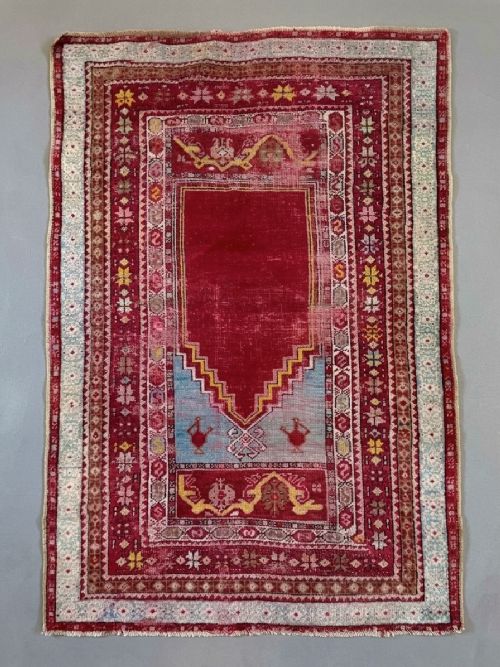
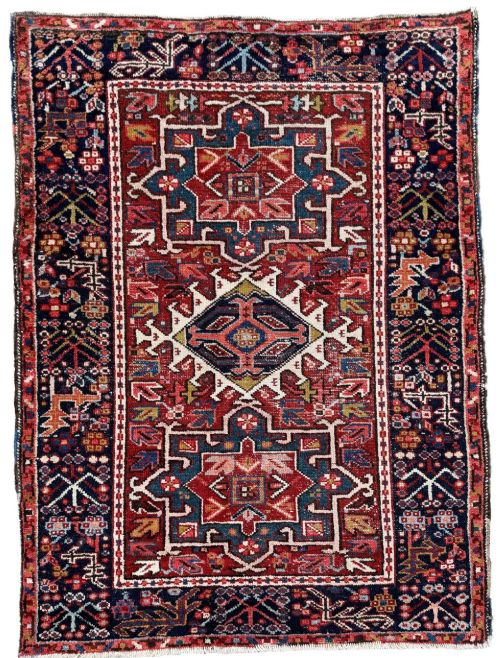
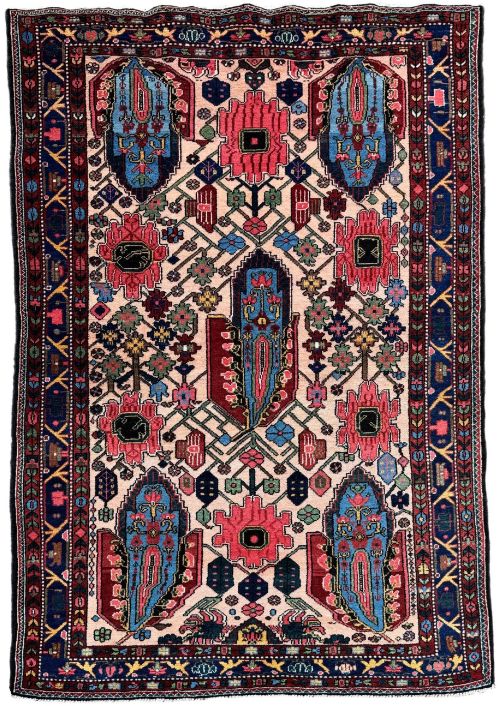
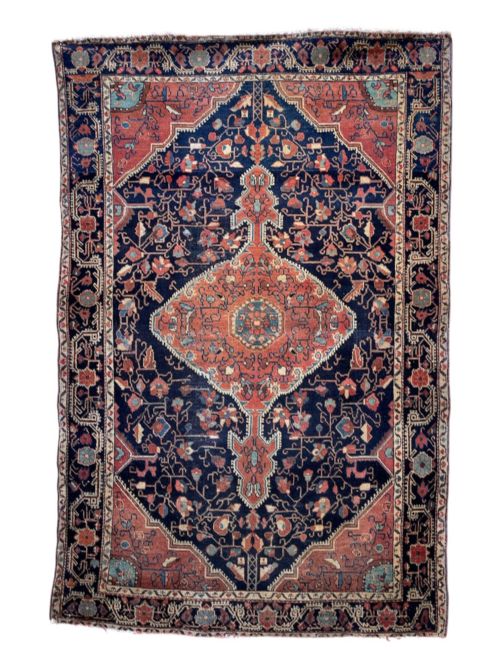
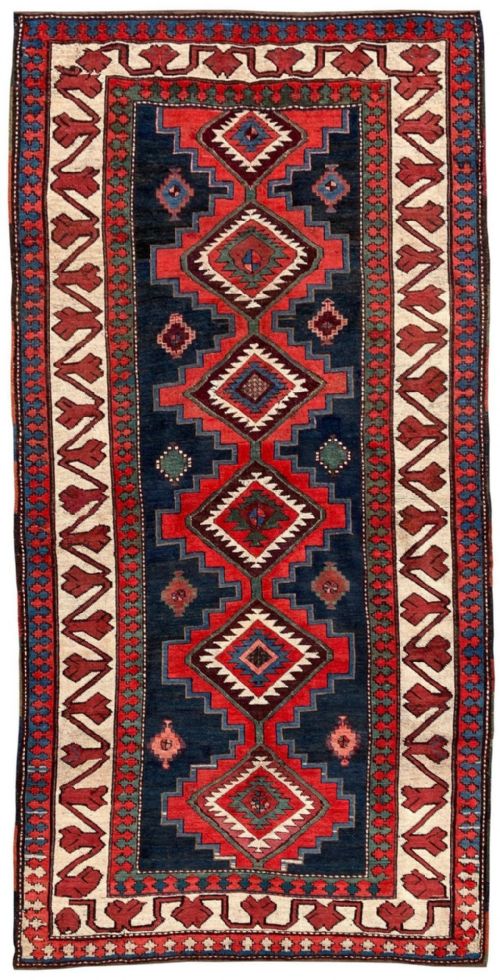
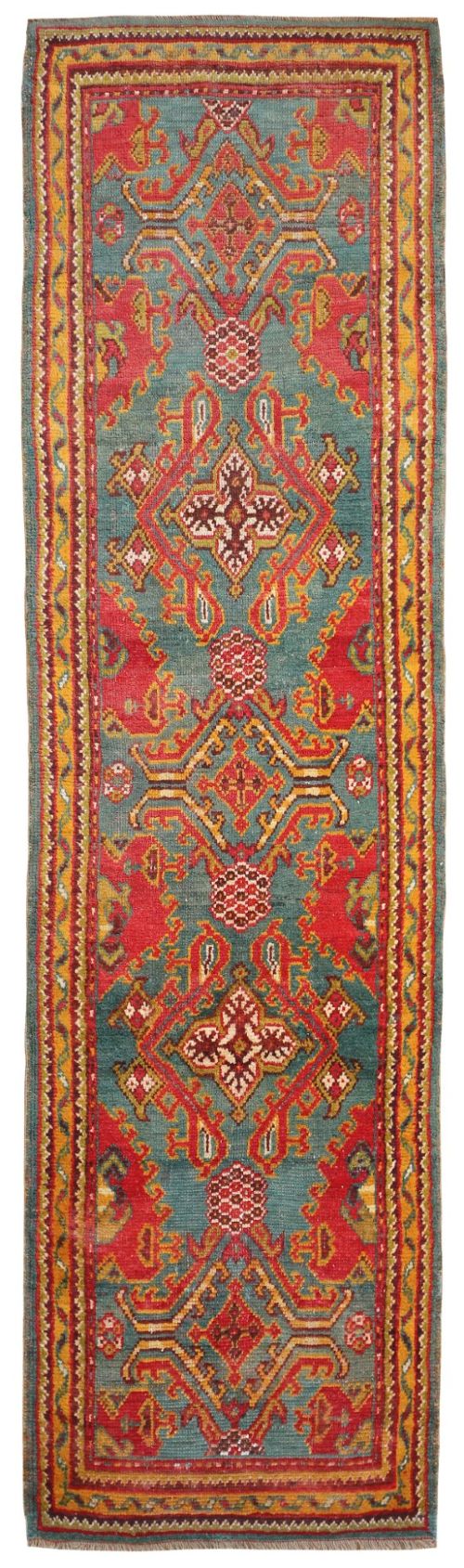
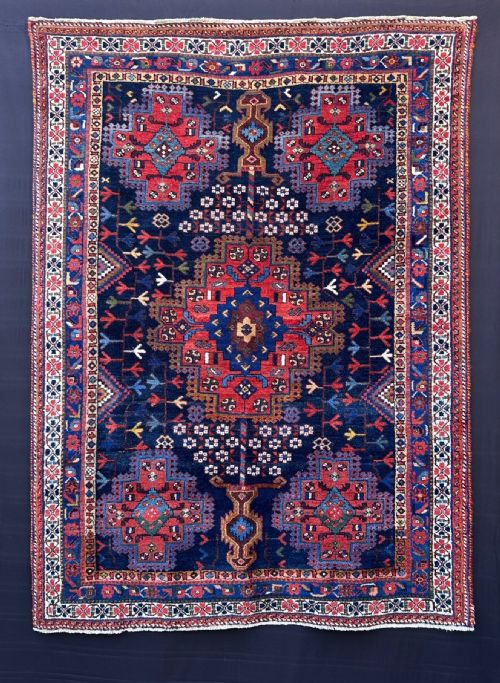
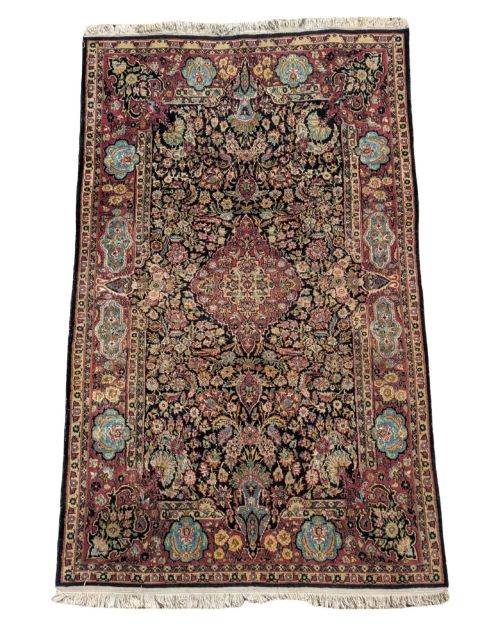
A blue red oriental rug encompasses hand-knotted floor coverings hailing from various regional traditions and historical periods. When searching for a blue red oriental rug, buyers encounter diverse regional styles such as Caucasian, Persian Bakshaish, East Turkestan, and Ottoman pieces. These textiles originate from dates spanning the late nineteenth century up to the early twentieth century.
The format of these textiles typically includes room-sized carpets, area rugs, and specific prayer formats designed for traditional use. Surviving examples demonstrate distinct weaving characteristics tied to their respective origins, whether they are Caucasian prayer rugs or large Persian carpets.
How they were made
The construction of these floor coverings relies fundamentally on wool as the primary pile material, paired with cotton foundations. Artisans knotted these natural fibres by hand to build dense, hard-wearing surfaces suitable for daily use.
Weavers utilised traditional regional looms and dyeing techniques to achieve the characteristic colour palettes and intricate motifs seen across the surviving examples. The combination of wool pile on cotton structures provided structural stability alongside a soft underfoot feel.
Blue Red Oriental Rug Retail Price Guide 2026
Typical asking prices for blue red oriental rug among the pieces listed under this phrase on Sellingantiques today, from the lower quarter to the upper quarter. They describe what is for sale here now, not the wider market.
Some antique rugs feature deliberately misplaced knots, inserted by weavers to ward off the evil eye and ensure imperfection.
What varies in quality
Quality in these carpets rests upon the precision of the hand-knotting and the complexity of the design execution. Finer examples display crisper geometric or floral delineation and tighter pile packing.
The integrity of the wool and the balance of the regional palette further separate standard workshop output from exceptional collector pieces. Greater care in material selection and structural tension during weaving yields a more resilient and visually striking textile.
The Blue Red Oriental Rug Glossary
- Prayer rug
- A small format textile featuring a mihrab or niche design, historically utilised for daily Islamic prayer. These rugs were woven in various regional workshops across the Caucasus and Anatolia.
- Carpet
- A large format floor covering designed to furnish an entire room or substantial living space. These pieces often feature expansive field designs and complex border arrangements.
- Foundation
- The underlying structural grid of warp and weft threads that supports the knotted wool pile. Cotton is commonly used for this structural base.
- Medallion
- A central ornamental motif placed in the middle of the rug field. Star medallions are particularly characteristic of certain East Turkestan weaving traditions.
Blue Red Oriental Rug: Frequently Asked Questions
How do I clean an antique rug?
Gentle surface brushing and professional specialist washing help preserve delicate wool piles and historic foundations. Avoid harsh chemical agents and excessive moisture during maintenance.
Regular rotation prevents uneven wear patterns in high-traffic domestic environments.
Where should I place a carpet?
These textiles suit low-traffic areas or spaces protected from direct, harsh sunlight to prevent fading. Placing them over appropriate underlays ensures stability on hard flooring.
Living rooms and studies often provide ideal environments for displaying large format carpets.
What defines Caucasian weaving?
Caucasian rugs typically feature bold geometric motifs, stark primary colours, and structured tribal designs. They are distinct from the flowing floral curves found in classical Persian workshops.
Prayer formats within this group often display sharp architectural niches.
How are periods identified?
Dating relies on material patination, structural analysis, dye characteristics, and stylistic evolution. Comparative examination of known regional outputs helps establish approximate decades.
Twentieth-century pieces often show different chemical dye usage compared to nineteenth-century examples.