


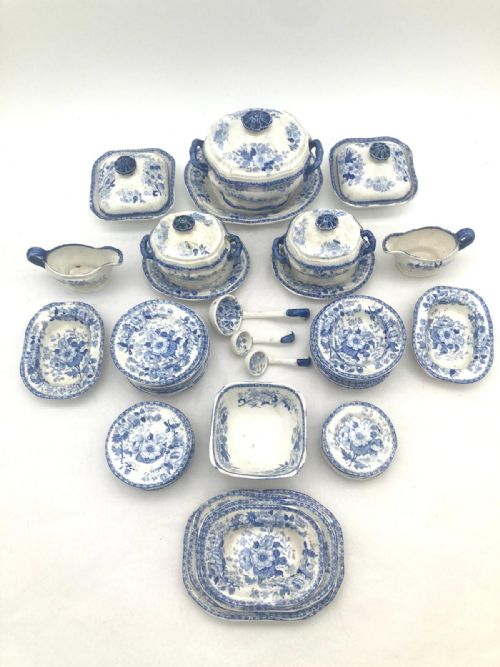


Blue Pottery Set
When you search for a blue pottery set, you uncover coordinated collections of ceramic tableware, washware and decorative pieces shaped by centuries of cobalt decoration.
Blue Pottery Set
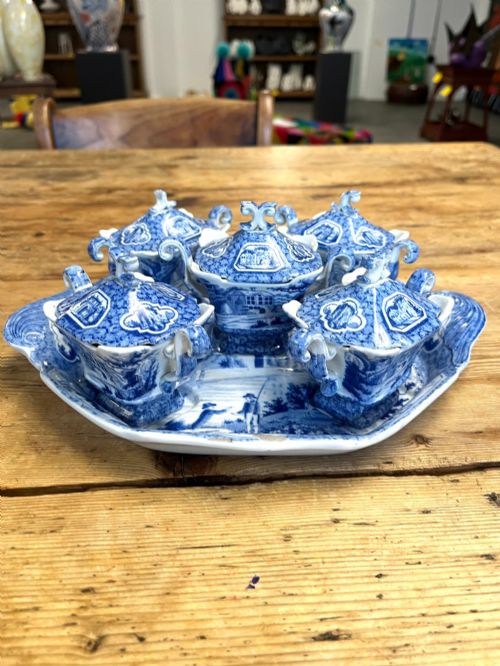
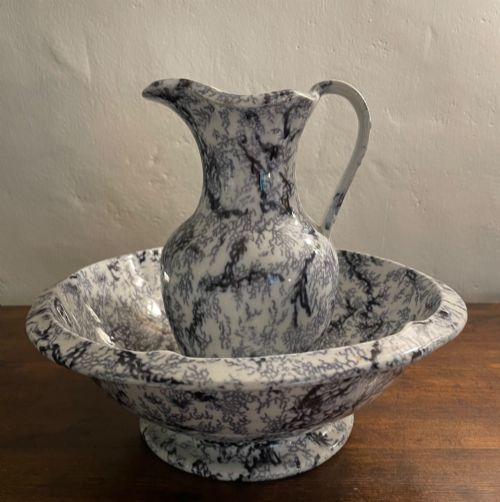
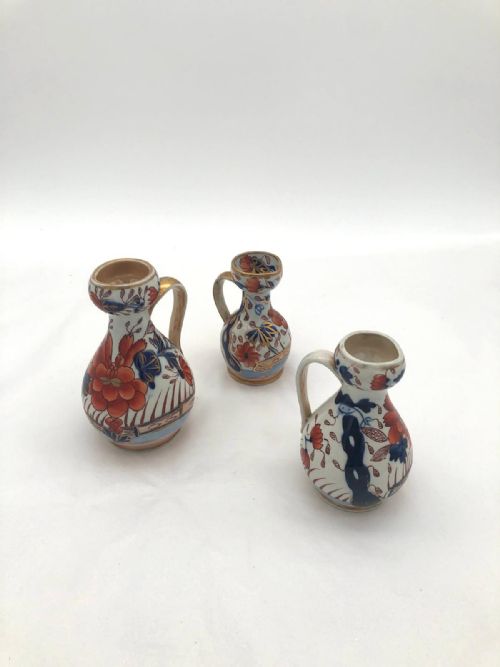
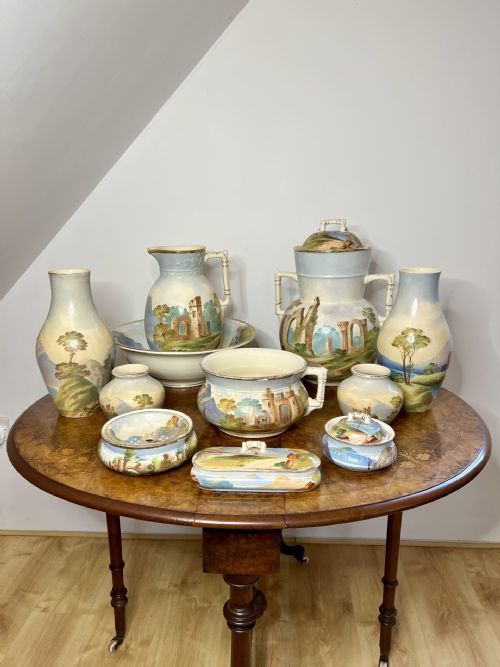
A blue pottery set comprises coordinated groupings of ceramic items created for functional use or table service, united by cobalt blue decoration. The pieces you encounter on this page span table settings, wash sets, miniature ornaments and desk accessories.
The materials range from durable ironstone and stoneware to tin-glazed earthenware and delicate porcelain. Many examples date from the nineteenth century, though eighteenth-century Dutch Delft and early twentieth-century wares appear frequently.
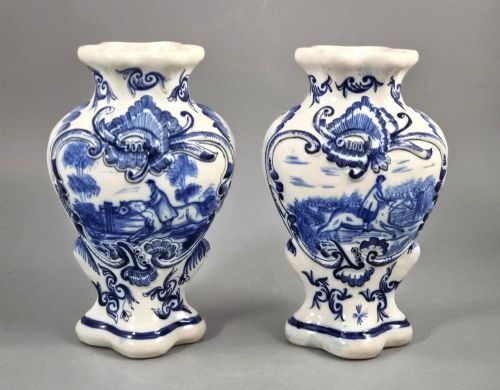
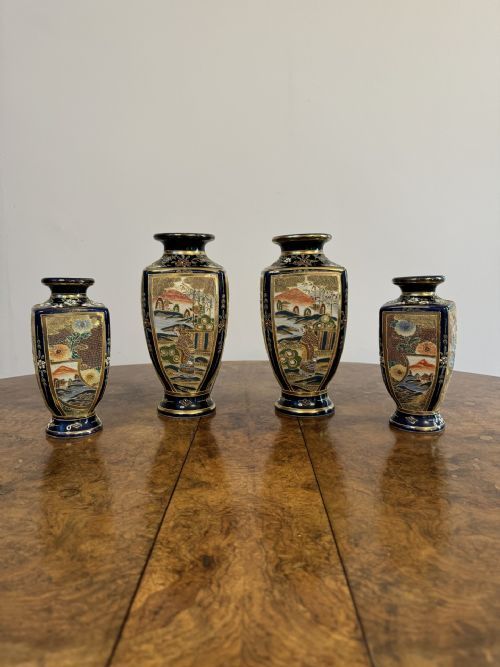
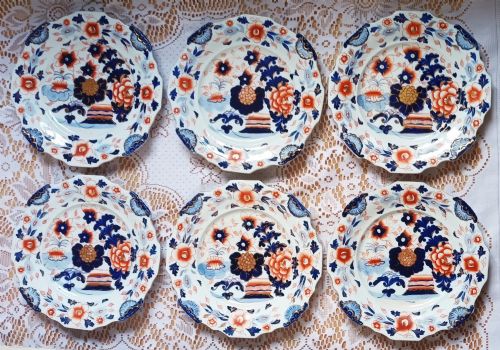
Sets might include matched plates, graduated jugs, child services, or garnitures of vases. Each grouping demonstrates how potters applied unified blue patterns across multiple distinct forms.
Materials and methods of production
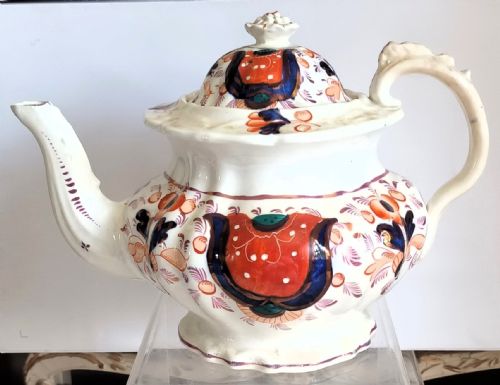
Makers utilised earthenware, stoneware and ironstone bodies, applying tin glazes or enamel pigments before kiln firing. Transfer printing allowed intricate floral and pictorial designs to cover complex shapes like hydra jugs and supper tureens.
Hand-painting also defines many pieces, particularly Dutch Delft and Japanese satsuma or imari wares where artisans brushed cobalt and polychrome details directly onto the ceramic surface. Gold leaf occasionally highlights specific moulded contours.
Firing techniques varied from low-temperature earthenware kilns to high-heat stoneware production, influencing the final durability and weight of each vessel.
Blue Pottery Set Retail Price Guide 2026
Typical asking prices for blue pottery set among the pieces listed under this phrase on Sellingantiques today, from the lower quarter to the upper quarter. They describe what is for sale here now, not the wider market.
Listings feature items spanning from the eighteenth century through the Edwardian era, incorporating earthenware, stoneware, ironstone and tin-glazed compositions.
Distinctions in craftsmanship and design
Quality rests upon the crispness of the transfer print or the brushwork precision on hand-painted surfaces. Superior sets maintain consistent glaze coverage and colour saturation across every component within the grouping.
The complexity of the moulded form and the preservation of delicate details, such as handles, spouts and rims, separate standard utilitarian production from exceptional decorative output. Completeness within a multi-piece service also elevates the standing of an assembly.
Maker reputation heavily influences distinction, as established potteries employed skilled modellers and artists whose work achieved greater artistic coherence.
Fourmaintraux-Courquin·Minton·Doulton Lambeth·Doulton Burslem·Mason's·Wedgwood·Elkin & Newbon
The Blue Pottery Set Glossary
- Ironstone
- A durable ceramic body patented in the nineteenth century to rival porcelain, frequently utilised for heavy-duty tableware and jugs.
- Flow Blue
- A nineteenth-century transfer printing style where cobalt blurred slightly into the glaze during firing, creating a soft, misty aesthetic.
- Tin-Glazed Earthenware
- Pottery coated with an opaque tin oxide glaze that provides a white background for painted blue designs, common in Dutch Delft.
- Garniture
- A set of matching vases or ornamental vessels designed to be displayed together on a mantelpiece or sideboard.
- Pearlware
- A refined earthenware developed in the late eighteenth century featuring a subtle bluish glaze that pooled slightly in recesses.
Blue Pottery Set: Frequently Asked Questions
What is a blue pottery set?
A blue pottery set consists of multiple coordinated ceramic vessels, plates or ornaments decorated in blue pigments. These groupings range from dining services and washstand basins to miniature toy plates and inkstands.
Potters designed these collections to function together visually, sharing patterns, glaze types and manufacturing periods. Surviving sets allow collectors to acquire matched historic assemblages intact.
How do I date a blue pottery set?
Dating relies on ceramic body composition, glazing characteristics and style markers. Ironstone and flow blue transfer printing point towards the nineteenth century, while tin-glazed earthenware often indicates earlier periods.
Backstamps, impressed registry marks and stylistic influences like Art Nouveau or Regency chinoiserie help narrow the decade of production. Examining the wear beneath the base also aids chronological assessment.
How were these sets used historically?
Many sets served practical domestic purposes, such as washing in bedrooms, serving meals in dining rooms or organising desks with inkwells. Child services were manufactured for juvenile education or play.
Other configurations, such as garnitures and decorative plates, existed purely for display in prominent household spaces. Their survival reflects both utility and decorative value.
How do I care for antique blue pottery?
Antique ceramics require gentle hand washing in warm water using mild soap, avoiding harsh scrubbing or dishwashers that can damage historic glazes. Sudden temperature changes should be avoided to prevent thermal shock.
Displaying pieces away from direct sunlight preserves enamel and gilt highlights. Secure placement protects delicate rims and handles from accidental impact.