



Blue Pottery Plaque
A blue pottery plaque brings rich glaze and patterned wall art into a room, offering centuries of ceramic tradition.
Blue Pottery Plaque
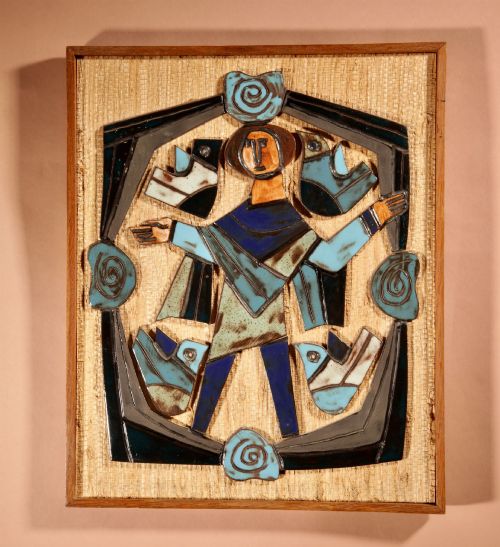
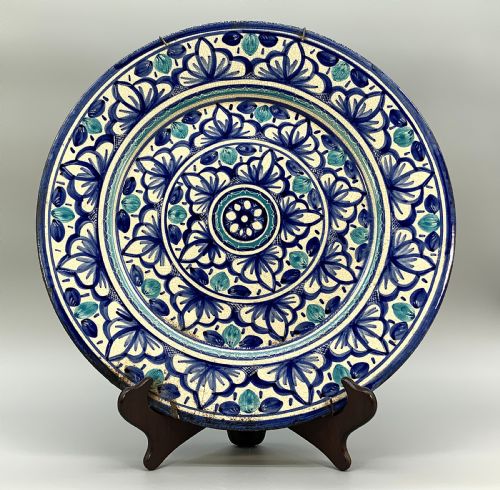
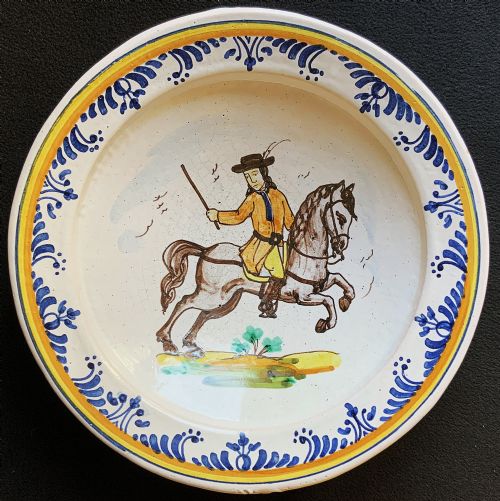
A blue pottery plaque or charger plate serves primarily as decorative wall art, moving functional pottery forms onto the vertical plane. These pieces take the shape of large chargers, wall plaques, decorative tiles, and architectural tiles designed to be displayed on walls.
The selections available range from 17th-century Kubachi pottery tiles and 18th-century Spanish and Dutch Delft faience to 19th-century Italian faience and Scottish Portobello items. Buyers frequently encounter Dutch Delft Baroque and Moorish Revival styles alongside Victorian folk art interpretations.
Originating across Europe and the Middle East, these wall plates and tiles capture diverse regional traditions from Spanish Catalana workshops to Italian majolica production. Each object reflects the specific aesthetic of its period, spanning from the 17th century through the Edwardian era and up to 1940.
Materials and construction
Makers utilised earthenware, ceramic, and tin-glazed earthenware as the primary body for these wall plaques and tiles. Tin glaze and specialised pigment provide the smooth white and coloured surfaces characteristic of faience and delftware.
Surface decoration relies heavily on hand-painted pigments applied directly to the glaze before or during firing. Select examples incorporate gilt highlights to accentuate the painted design.
Blue Pottery Plaque Retail Price Guide 2026
Typical asking prices for blue pottery plaque among the pieces listed under this phrase on Sellingantiques today, from the lower quarter to the upper quarter. They describe what is for sale here now, not the wider market.
Materials documented across the pieces include earthenware, ceramic, tin-glazed earthenware, faience, pigment, tin glaze, and gilt.
Assessing quality and execution
The fineness of the hand-painted detail distinguishes exceptional wall art from simpler commercial output. Script work, such as Persian Nastaliq inscriptions or figurative scenes like the Madonna with Child, demands high brushwork skill.
The stability of the glaze and the complexity of the tin-glaze or faience surface indicate the technical competence of the pottery workshop. Uniformity in the ceramic body and the depth of the pigment determine the visual weight of the charger or plaque.
Minton Hollins·Bassano pottery works·C. Ravier
The Blue Pottery Plaque Glossary
- Faience
- Tin-glazed earthenware produced in Europe, noted for its opaque white surface and painted decoration. It provides the smooth canvas for many historic wall plaques.
- Charger Plate
- A large ornamental plate traditionally used for display rather than dining. These pieces often feature pierced foots for wall hanging.
- Tin Glaze
- A glaze containing tin oxide that turns opaque white upon firing. This technique originated in the Middle East before spreading through European potteries.
- Majolica
- Italian tin-glazed earthenware decorated with colourful pigments. It is celebrated for vibrant pictorial scenes and rich historical styles.
- Kubachi Pottery
- Historic ceramic ware originating from the Caucasus region. Examples include finely decorated tiles with intricate regional motifs.
Blue Pottery Plaque: Frequently Asked Questions
What is a blue pottery plaque?
A blue pottery plaque is a ceramic wall piece, often shaped as a charger plate or decorative tile, painted with blue pigments. These items were made to decorate domestic interiors across various centuries.
They combine pottery techniques with pictorial art, displaying everything from floral motifs to religious scenes.
How were these wall plaques displayed?
Historic wall plaques and chargers were hung in reception rooms or parlours to demonstrate taste and status. Many feature original suspension holes or rims designed for mounting on walls.
Smaller tiles were integrated directly into architectural settings or framed as standalone artworks.
How do I care for antique ceramic plaques?
Keep ceramic plaques away from areas of high moisture and direct sunlight to protect the glaze and pigments. Dust them gently with a dry, soft cloth.
Ensure that any hanging wire or wall bracket securely supports the weight of the earthenware body.
How can I tell the period of a tile?
Dating relies on examining the ceramic body, glaze characteristics, and the style of the painted decoration. 17th-century tiles show different pigment qualities and body fabrics compared to Edwardian or 1940 pieces.
Signatures, manufacturer marks, and known regional designs also help establish the date of creation.