

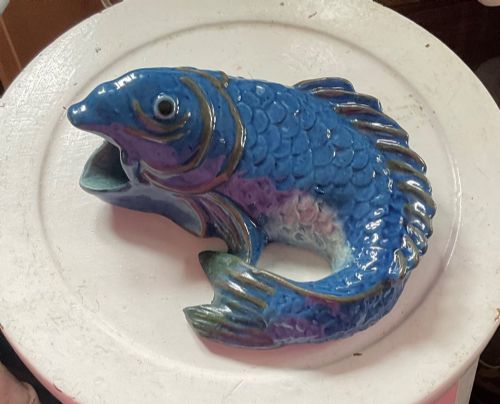


Blue Pottery Planter
These blue pottery planter pieces bring deep indigo tones and robust ceramic forms into your rooms, offering a practical home for indoor greenery.
Blue Pottery Planter
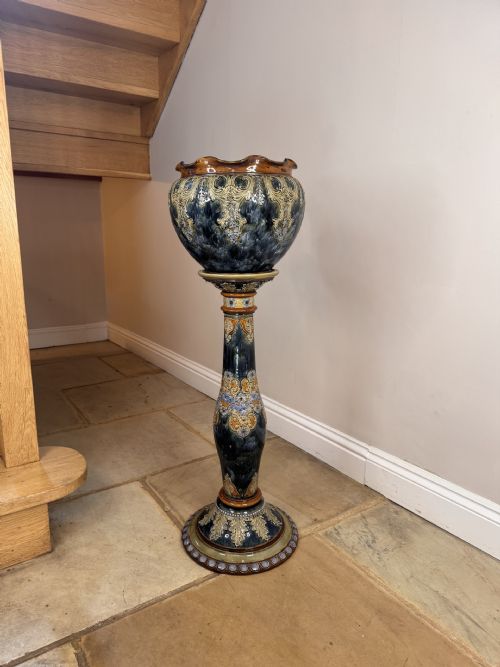
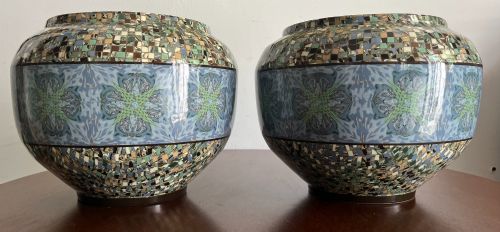
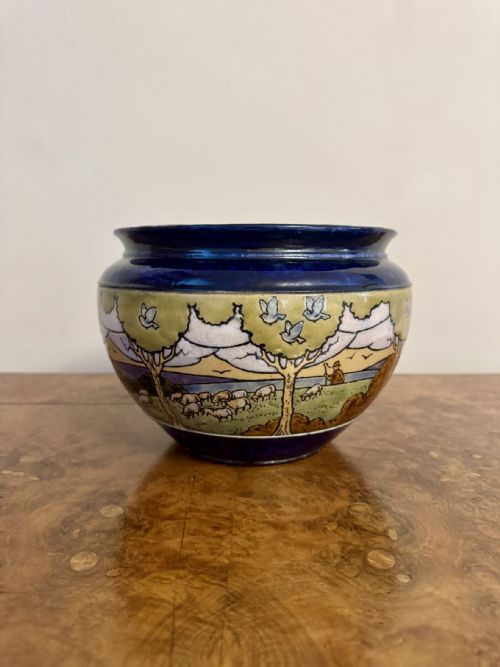
A blue pottery planter takes many forms across different centuries, ranging from traditional jardinieres and footbaths used as cachepots to wall pockets and bough pots. You will most frequently meet nineteenth-century examples, particularly those originating from English potteries.
The objects serve primarily to house plants while providing a decorative focal point for mantelpieces, halls, and windowsills. Their utility spans deep basins originally designed for other domestic tasks now repurposed for heavy foliage, alongside dedicated vessels made specifically for floral displays.
How they were made
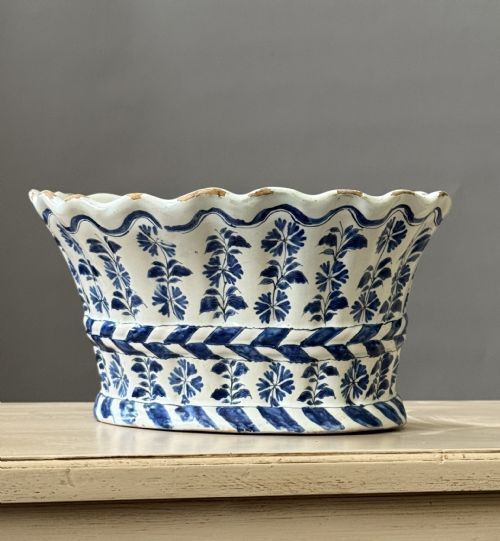
Potters shaped these vessels using earthenware, stoneware, and pearlware, applying tin glazes or rich blue and white transfer printing to the surfaces. Many pieces rely on specialised glaze techniques such as lustre or salt-glazing to build texture and depth across the ceramic body.
Makers decorated the forms through hand-painting, sprigged relief work, or incised patterns characteristic of the Arts and Crafts movement and Victorian art pottery. The blue pigment was typically fixed under the glaze before firing to ensure lasting durability and colour.
Blue Pottery Planter Retail Price Guide 2026
Typical asking prices for blue pottery planter among the pieces listed under this phrase on Sellingantiques today, from the lower quarter to the upper quarter. They describe what is for sale here now, not the wider market.
The listings span earthenware, stoneware, and pearlware across periods from the early eighteenth century to the twentieth century.
What varies in quality
Quality rests upon the crispness of the transfer print, the depth of the glaze, and the sculptural ambition of the modelled form. Pieces featuring hand-painted details or complex multi-part stands demonstrate a higher level of workshop skill than standard production items.
The execution of the clay body itself dictates longevity, with finer stoneware and well-potted earthenware showing superior resistance to moisture and wear. Weight, balance, and the surety of the potter's mark further distinguish standard domestic vessels from masterworks.
Royal Doulton·Lauder Pottery Barnstaple·Doulton Burslem·Doulton Lambeth·Clement Massier·Spode·George Jones·William Adams and Sons
The Blue Pottery Planter Glossary
- Jardiniere
- A large ornamental pot or stand designed to hold a plant or flower arrangement.
- Tin-Glazed Earthenware
- Pottery coated with a glaze containing tin oxide, producing a white and opaque surface suitable for painted decoration in blue.
- Footbath
- A large vessel originally intended for personal hygiene, frequently repurposed in later periods as a planter due to its generous capacity.
- Transfer-Printed
- A method where a design is engraved on a copper plate, printed on tissue paper, and transferred onto the unglazed ceramic body.
- Jasperware
- A type of fine stoneware developed in the eighteenth century, notable for its matte finish and contrasting applied white relief figures against a coloured ground.
Blue Pottery Planter: Frequently Asked Questions
How do I use a footbath as a planter?
These large vessels easily accommodate multiple potted plants inside your rooms without requiring direct planting into the ceramic.
Place a suitable tray at the base to catch drainage water and protect the historic interior glaze.
What is a bough pot?
A bough pot is an early container specifically made to hold cut branches and leafy stems to scent and decorate interiors.
They frequently feature pierced lids to keep stems upright and spaced evenly across the vessel.
Can I put these planters outside?
Most of these historic pieces are earthenware or soft ceramics that cannot withstand freezing winter temperatures.
Keep them indoors where sudden frost and damp soil will not crack the historic glaze or body.
How do I distinguish Victorian art pottery?
Victorian art pottery pieces often display experimental glazes, incised monograms, and unusual sculptural details influenced by the Arts and Crafts movement.
Look for maker marks underneath that indicate studio production rather than mass factory output.