



Blue Portrait Miniature
A blue portrait miniature brings intimate likenesses and cobalt textiles into focus through centuries of hand-painted detail.
Blue Portrait Miniature
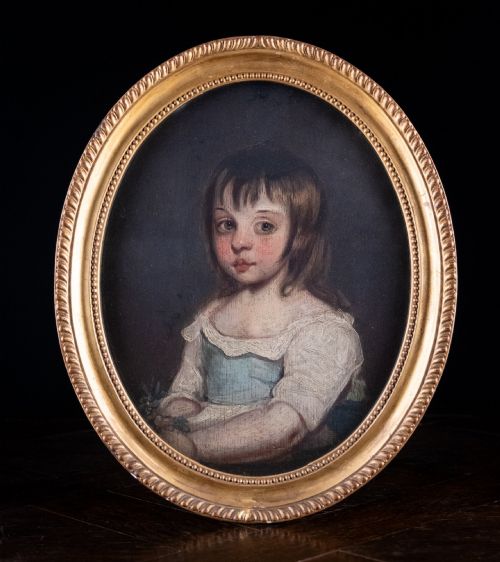
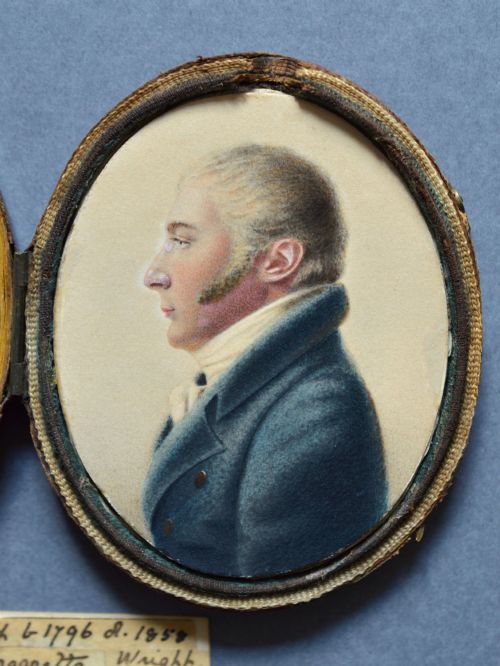
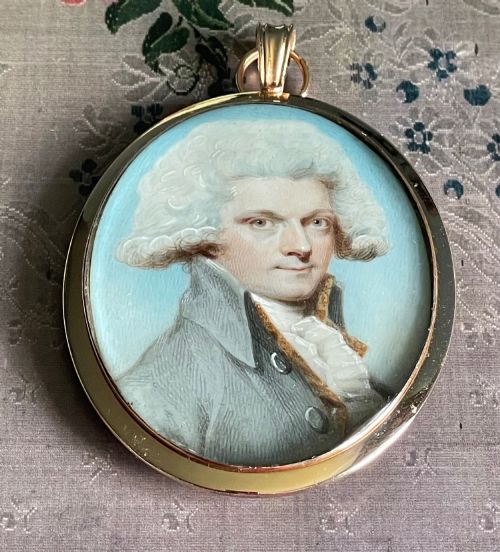
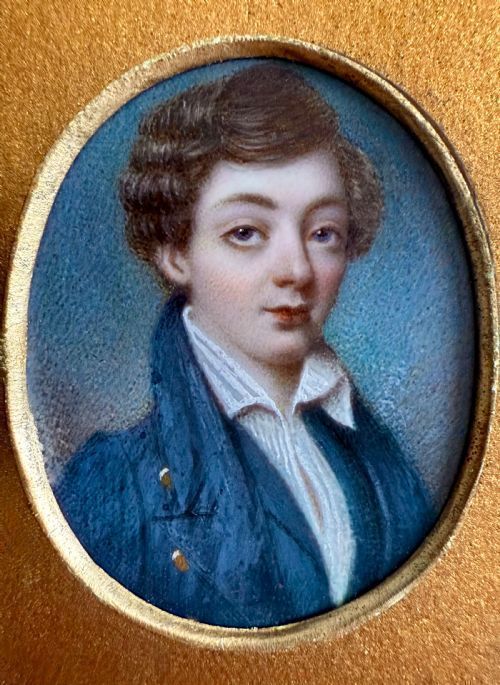
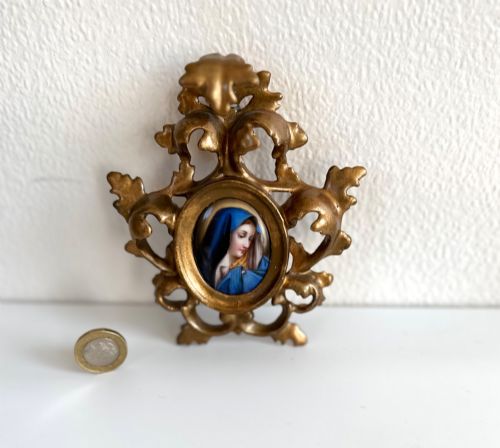
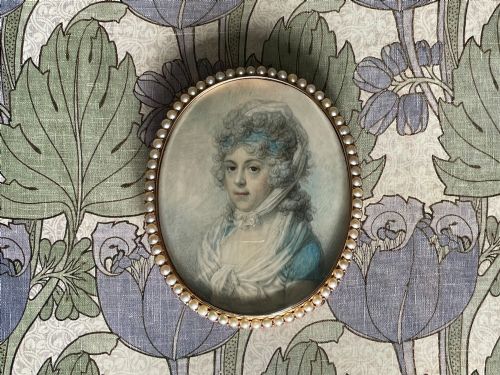
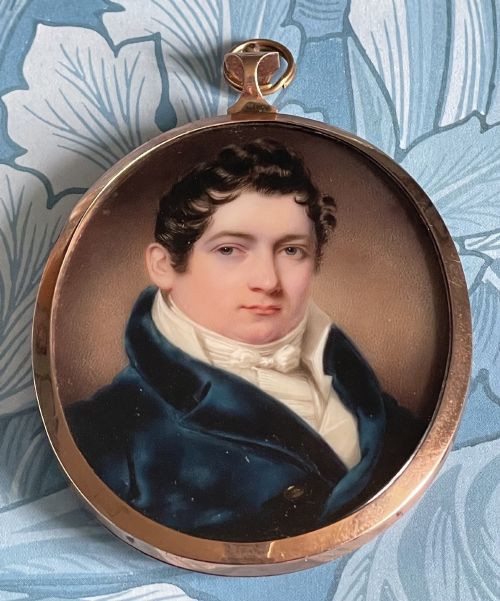
A blue portrait miniature presents a hand-painted likeness framed within jewellery or small timber surrounds, frequently incorporating distinctive blue garments, sashes, or backgrounds. When you search for a blue portrait miniature, you encounter small-scale paintings originating across the Georgian, Regency, and Victorian periods.
The objects take the form of pendants, brooches, rings, and standalone framed paintings depicting gentlemen, naval officers, children, and ladies. Examples range from eighteenth-century works attributed to enamel specialists to nineteenth-century watercolours on paper and ivory.
Surviving pieces span the mid-eighteenth century through the early twentieth century, with nineteenth-century iterations appearing most frequently. These portable artworks function simultaneously as personal tokens and historical portraiture.
Materials and technique
Makers produced these works using watercolour applied to ivory or paper, alongside enamel on metal and oil on agate or panel. Pigments required precise brushwork executed at a microscopic scale.
Surrounding mounts utilise gold, gilt metal, silver, and wood frames, sometimes backed with glass or woven hair. Enamel versions involved fusing powdered glass to a metal substrate under high heat.
Common subject categories include naval officers, children, gentlemen, and ladies rendered in gold frames, pendants, and maple surrounds.
Determinants of quality
The mounting contributes significantly to the overall merit, with heavy gold or silver frames and integrated pendant loops indicating higher original commissioning costs. Attribution to recorded artists also elevates the standing of a piece.
Thomas John Horsley·Charles Shirreff·Richard Cosway·John C D Engleheart·Christian Friedrich Zincke·Henry Bone ARA·William Egley·Susie Lassam·Nathaniel Bermingham·Jeremiah Steele
The Blue Portrait Miniature Glossary
- Miniature painting
- A small-scale portrait executed with fine detail, typically measuring just a few inches across. These portable works required specialised magnifying lenses during creation.
- Ivory substrate
- A thin slice of elephant ivory used as a painting surface during the eighteenth and nineteenth centuries. The material imparted a luminous quality to skin tones.
- Enamel
- Powdered glass fused to a metal base through kiln firing. This technique produced durable, vibrant colour surfaces resistant to fading.
- Pendant mount
- A protective casing fitted with a loop for suspension around the neck. Many portrait miniatures doubled as wearable jewellery.
- Love token
- A sentimental gift exchanged between romantic partners or family members. These objects often contained hidden locks of hair behind the painted portrait.
Blue Portrait Miniature: Frequently Asked Questions
How were portrait miniatures worn?
Owners wore them suspended from ribbons around the neck as pendants or pinned directly to garments as brooches. Some wealthy patrons incorporated them into heavy gold finger rings.
These pieces served as private displays of affection or allegiance, kept close to the heart rather than hung upon walls.
What materials did artists paint on?
The primary surface was thin ivory, which reflected light upwards through watercolour pigments to illuminate flesh tones. Artists also utilised paper, prepared panel, and copper sheets for enamelling.
Enamel works required firing in a kiln, whereas watercolour pieces remained vulnerable to moisture and direct sunlight.
How do I date a miniature?
Hairstyles, clothing cuts, and framing styles provide the most reliable chronological indicators. Regency sitters often wear high-waisted white muslin gowns, while Victorian subjects feature elaborate ringlets and darker fabrics.
Costume details align closely with the reigning fashion of each decade from the seventeen-fifties onward.
Why are some miniatures painted blue?
Sitters frequently selected cobalt or sky-blue pigments for their dresses, sashes, or uniform facings to signal fashionable taste. Artists also utilised monochromatic blue backgrounds to isolate the subject.
Blue glass liners and enamel backs further reinforced this colour scheme in sentimental jewellery.