

Blue Portrait Art
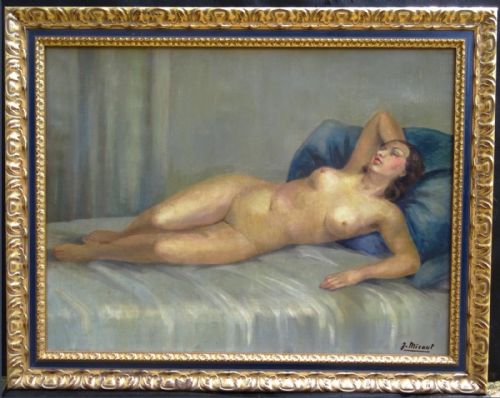
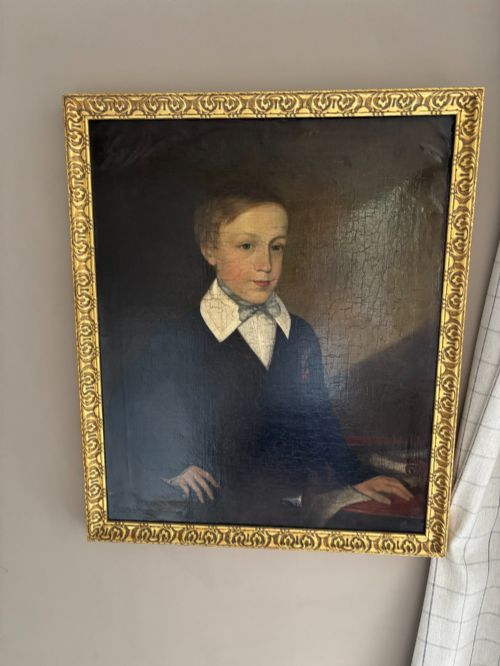
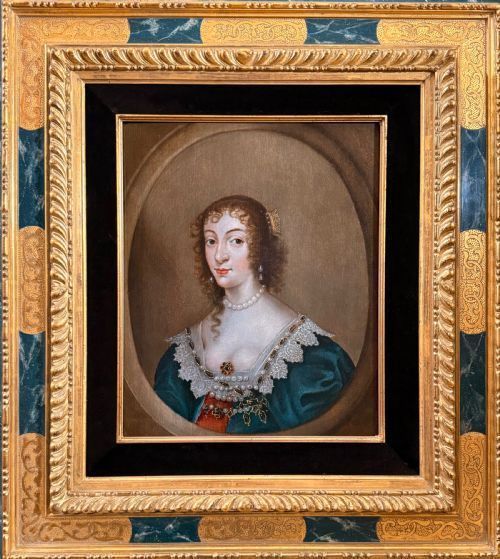
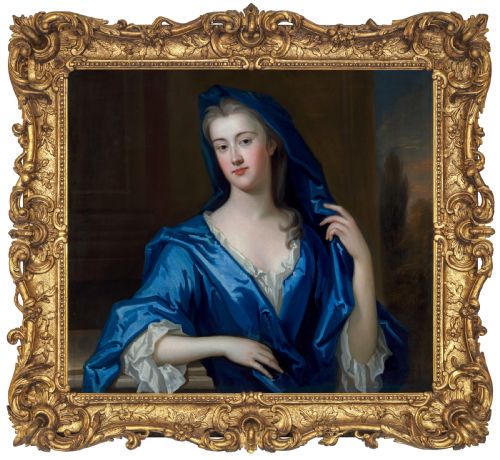
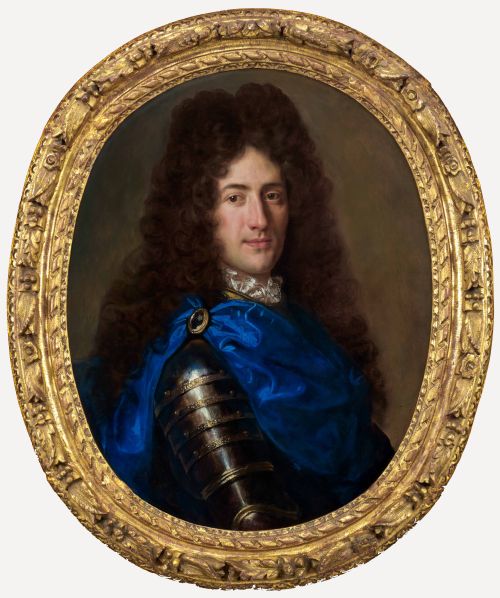
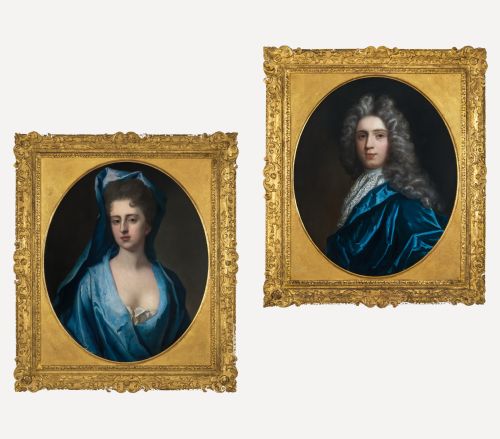
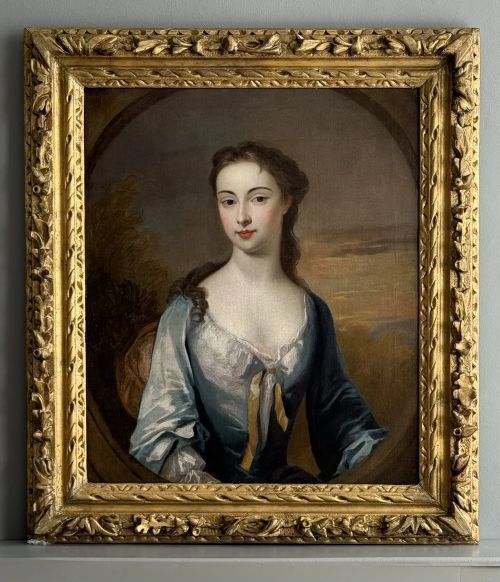
Blue portrait art encompasses historic oil paintings and watercolours capturing sitters adorned with azure garments and cobalt pigments.
Blue Portrait Art
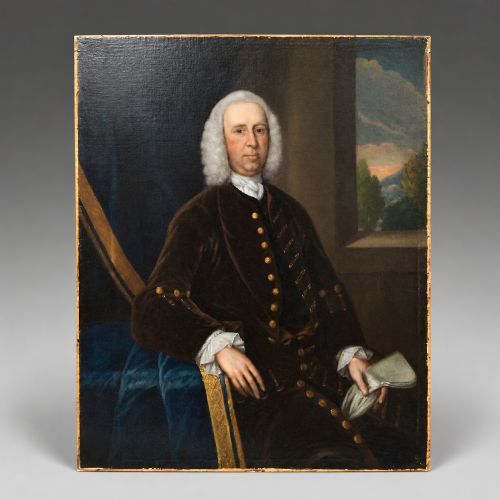
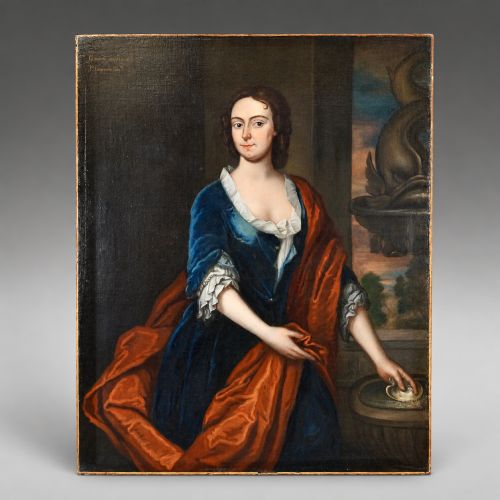
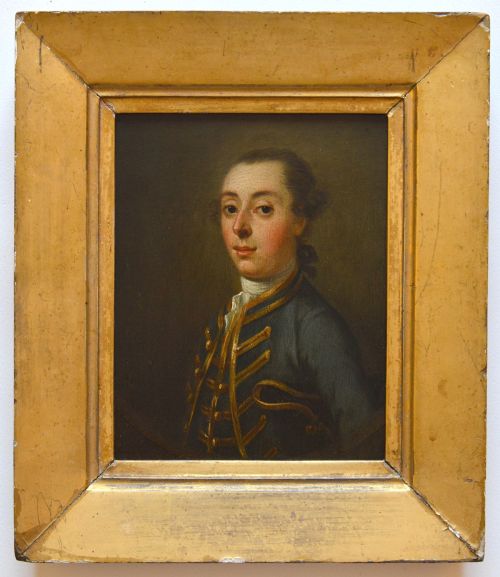
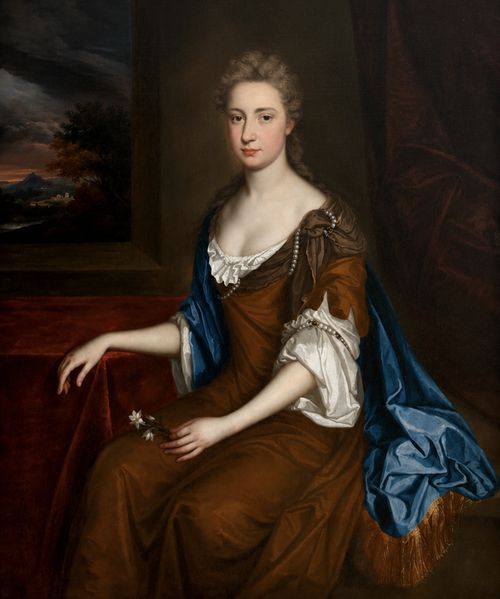
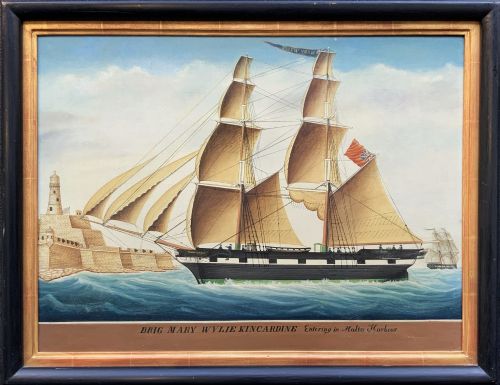
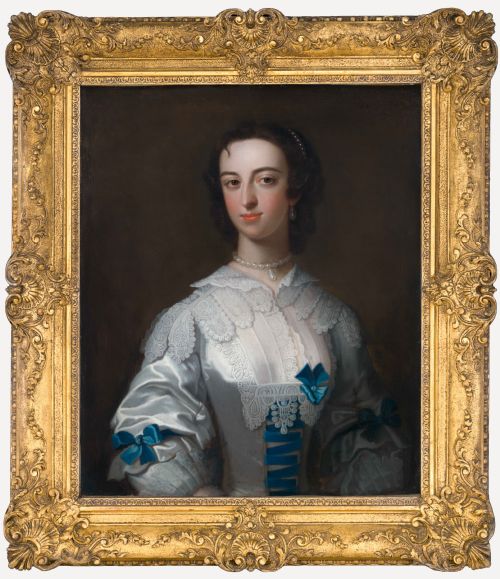
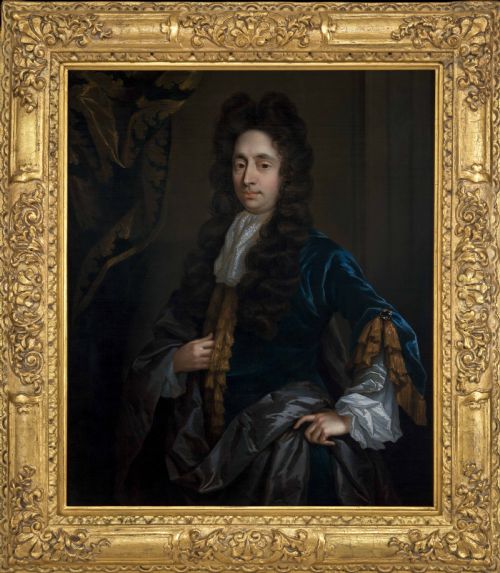
When exploring blue portrait art, buyers encounter historic depictions of nobility, gentlemen, and ladies rendered across several centuries. These works frequently integrate blue pigments within cloaks, dresses, ribbons, and backgrounds to command visual attention.
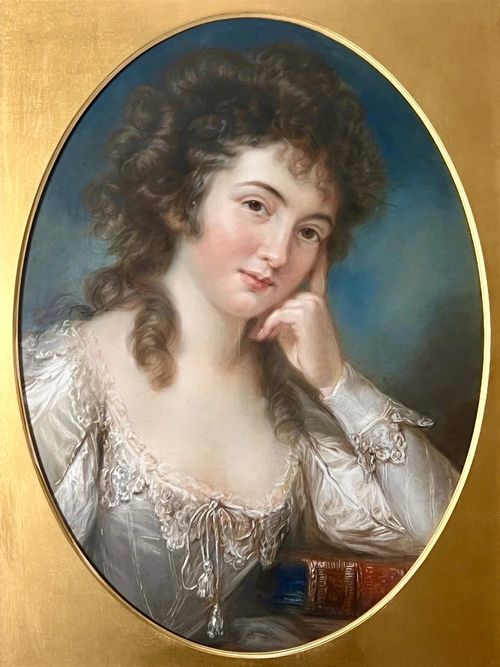
The selections available range from grand seventeenth-century oil canvases on panel to delicate eighteenth-century pastels and Edwardian miniatures. Portraits featuring subjects in blue wraps, cloaks, and silk dresses form a distinct segment of this artistic tradition.
Examples stretch from the Baroque era through the Regency period and into twentieth-century interpretations. Each piece records historical dress codes alongside the distinct technical approaches of individual portraitists.
Materials and Techniques
Pastel on paper provided a softer medium for capturing powdered wigs and textile textures during the eighteenth century. Giltwood frames frequently complement these works, enhancing the visual weight of the paintings.
Blue Portrait Art Retail Price Guide 2026
Typical asking prices for blue portrait art among the pieces listed under this phrase on Sellingantiques today, from the lower quarter to the upper quarter. They describe what is for sale here now, not the wider market.
Several sitters in these historic portraits hold citrus fruit, a subtle seventeenth-century symbol of immense wealth and exotic trade.
Quality and Execution
The standard of blue portrait art depends heavily on the anatomical precision of the hands, face, and drapery. Superior works demonstrate careful handling of light across fabric folds, especially within complex blue garments.
Provenance and attribution to documented studios or named practitioners elevate the significance of a piece. The preservation of the original pigment, canvas support, and period frame also dictates the overall merit of the artwork.
Francis Lindo·John Russell·Charles Jervas·Michael Dahl·Thomas Murray·Constantyn Netscher·Henry Pickering·Jeremiah Davison·Pieter Borsseler·Lemuel Francis Abbott·Charles Shirreff
The Blue Portrait Art Glossary
- Oil on Canvas
- Pigments suspended in drying oil applied to a stretched woven fabric support. This combination allowed artists to blend tones smoothly and achieve luminous drapery.
- Portrait Miniature
- A small-scale painting executed on ivory, vellum, or card, popular for intimate likenesses. These pieces often feature detailed watercolour work protected behind glass.
- Giltwood
- Timber carved and coated with a thin layer of gold leaf. Period frames in this material frequently accompany antique oil paintings.
- Pastel
- A dry medium composed of powdered pigment and a binder pressed into stick form. It creates a velvety surface texture favoured for eighteenth-century likenesses.
Blue Portrait Art: Frequently Asked Questions
What periods do these portraits cover?
The available selections span from the seventeenth century through the eighteenth and nineteenth centuries into the Edwardian era. Baroque, Regency, and Art Deco styles appear frequently across the inventory.
Earlier examples often depict sitters in formal attire with dark backgrounds, while later pieces adopt looser brushwork and varied colour palettes.
How were portrait miniatures displayed?
Portrait miniatures were often designed to be worn as personal jewellery, kept in travel cases, or displayed on small easels. Their compact scale allowed owners to carry likenesses of family members during journeys.
Many retain their original protective glass covers and delicate metal or wooden mountings from the eighteenth and nineteenth centuries.
What is the significance of blue in historic portraits?
Blue pigments, particularly ultramarine derived from lapis lazuli, were historically costly and signalled the status and wealth of the sitter. Portraitists utilised these rich tones to draw the viewer's eye directly to the main subject.
Garments such as azure cloaks and silk dresses were deliberate choices by patrons to project authority or elegance.
How should antique oil paintings be cleaned?
Dust accumulation should be gently managed with a soft, dry brush, avoiding any moisture or household cleaning solutions. Professional conservators should handle varnish removal and deeper surface cleaning.
Maintaining stable room humidity prevents the canvas and wooden panels from warping or cracking over time.