


Blue Porcelain Vase Lamp
A blue porcelain vase lamp brings together centuries of ceramic art and practical domestic lighting.
Blue Porcelain Vase Lamp
A blue porcelain vase lamp transforms historical ceramic vessels into functional table lighting for modern interiors. These pieces combine centuries-old pottery, ranging from the seventeenth to the twentieth century, with electrical fittings to serve as prominent decorative objects.
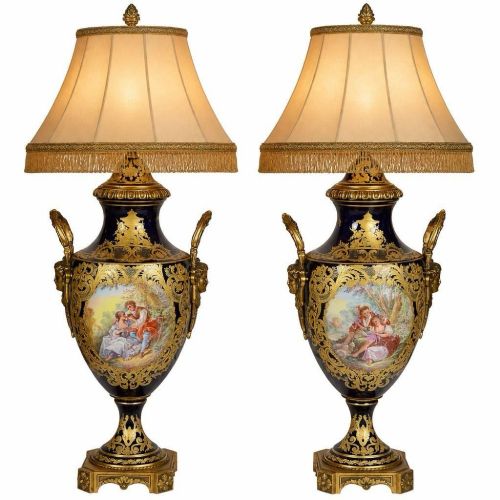
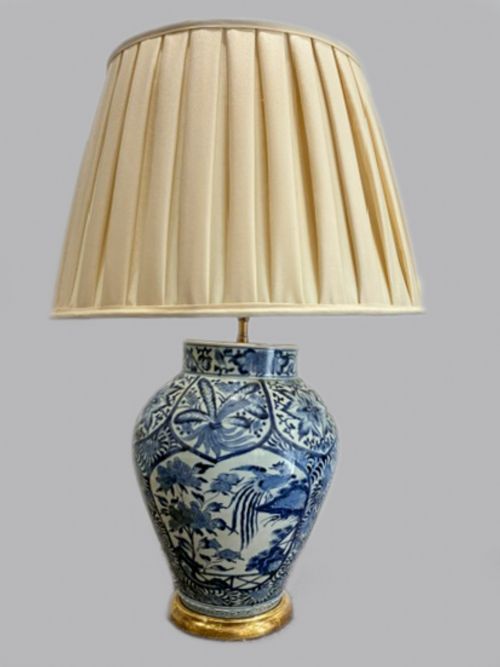
The selections available centre heavily on nineteenth-century Chinese blue and white porcelain, alongside Japanese export wares such as Imari and Satsuma. European traditions also appear through French Sevres and English Delft styles.
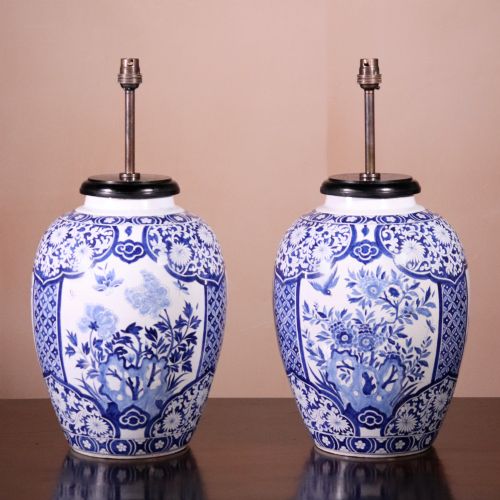
Buyers encounter single vessels and matched pairs configured as table lamps, often retaining historical mounts made from brass, gilt bronze, or ormolu. Forms span ginger jars, traditional vases, and larger architectural vessels adapted for domestic illumination.
Materials and construction
Construction relies on high-fired ceramic bodies paired with metal mounts and electrical wiring added during conversion. Makers utilised porcelain, ironstone, and ceramic materials decorated underglaze with cobalt blue pigments or painted overglaze in diverse palettes.
Metalwork components such as brass, gilt bronze, and ormolu were cast and applied to secure the ceramic body and provide structural support for lamp fittings. Fabric and silk shades frequently complete the assembly, resting atop wooden or metal bases.
Listings feature porcelain, brass, and silk materials across centuries ranging from the seventeenth to the twentieth.
Judging quality in converted lamps
Quality rests primarily on the integrity and age of the original ceramic vessel rather than the electrical conversion. Intricacy of hand-painted blue decoration, crispness of form, and the presence of historical markings distinguish finer examples.
The treatment of the vase during conversion influences overall execution, particularly whether the mounting preserves the ceramic body without destructive drilling. Superior pieces integrate brass or ormolu mounts that complement the proportions of the underlying porcelain.
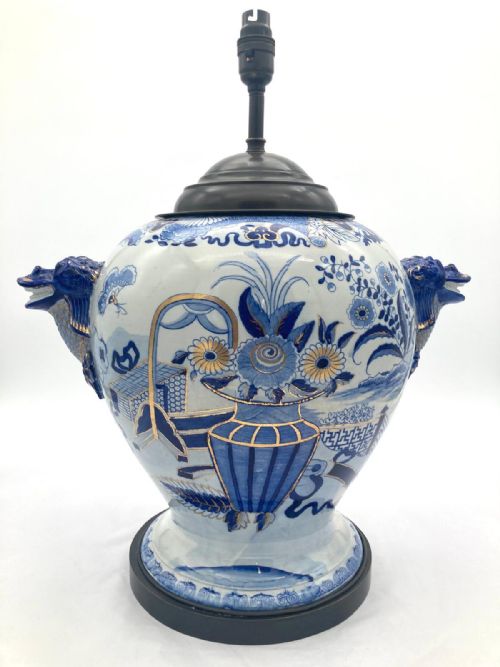
Hicks and Meigh·Sevres
The Blue Porcelain Vase Lamp Glossary
- Ormolu
- Gilded bronze mounts applied to furniture and ceramics. This technique adds decorative metal framing to the edges and bases of European and Asian vessels.
- Imari
- Japanese export porcelain decorated in underglaze blue, iron red, and gold. These wares originated in Arita and gained popularity across Europe during the seventeenth and eighteenth centuries.
- Celadon
- Pale green glazed ceramic with a jade-like appearance. The glaze reacts with iron oxides during firing to produce distinct translucent green tones.
- Cracklware
- Pottery featuring a network of fine deliberate cracks in the glaze. This decorative effect occurs due to differential cooling rates between the clay body and the surface glaze.
- Famille Verte
- Chinese porcelain palette dominated by green enamel colours. The style developed during the Qing dynasty and often incorporates floral and narrative scenes.
Blue Porcelain Vase Lamp: Frequently Asked Questions
How do I date a porcelain vase lamp?
Dating relies on examining the characteristics of the ceramic body, glaze consistency, and any visible maker marks or reign stamps at the base. Stylistic motifs, such as specific floral arrangements or figural styles, further narrow the period of manufacture.
Metal mounts added during conversion also provide clues. Ormolu or brass fittings often reflect the aesthetic of the nineteenth-century period when many historical vases were adapted into lamps.
Were these vases made as lamps originally?
Almost all these vessels started life purely as decorative vases, jars, or ginger pots rather than lighting fixtures. Artisans converted them into lamps at a later date to suit domestic interiors.
This adaptation process typically involved mounting the ceramic to a stable base and running wiring through the vessel or adding external hardware to support a bulb and shade.
How do I style a pair of vase lamps?
Matched pairs work effectively on large pieces of furniture such as sideboards, console tables, or matching bedside cabinets. Their height and visual weight make them suitable as focal points in a room.
Pairing them with neutral fabric or silk shades allows the intricate blue patterns on the porcelain body to remain the primary visual feature of the arrangement.
What is the difference between Chinese and Japanese lamp styles?
Chinese porcelain lamps frequently feature cobalt blue and white botanical scenes, prunus blossom patterns, or monochromatic glazes like powder blue and celadon. The aesthetic emphasises fluid brushwork and classical forms.
Japanese examples, such as Arita Imari or Satsuma wares, often incorporate denser, multicoloured palettes combining blue, iron red, and gilding. These pieces reflect distinct regional decorative traditions from the Edo and Meiji periods.