

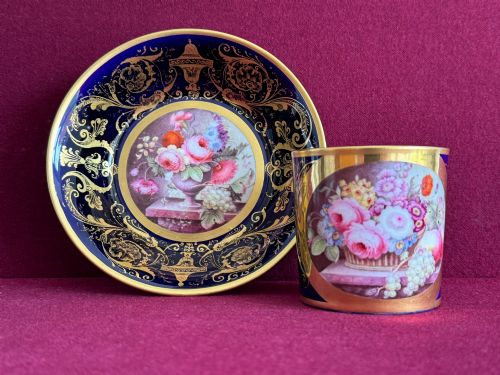
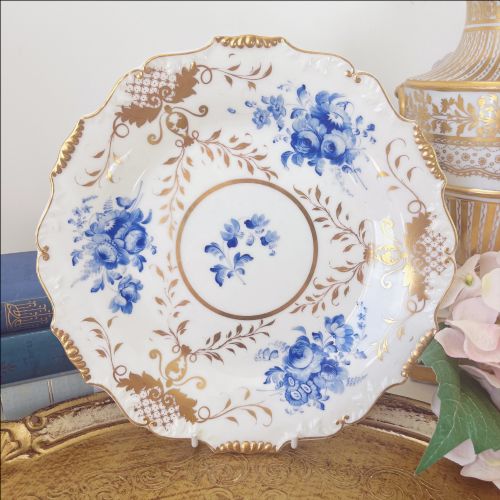
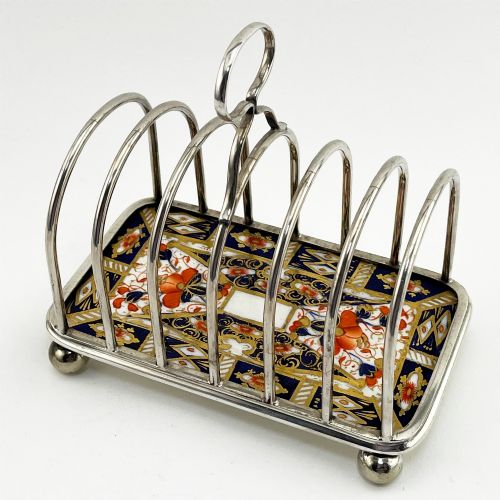
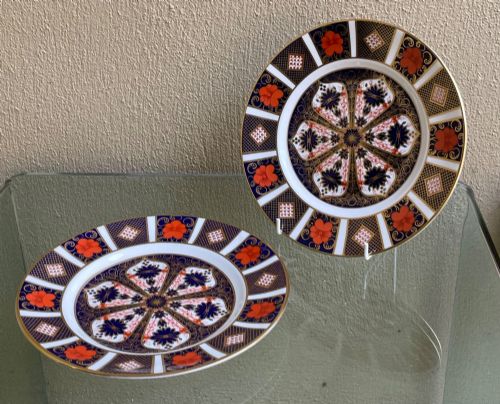




Blue Porcelain Tableware
Blue porcelain tableware brings centuries of refined dining history to the table through durable ceramic forms finished in rich cobalt and intricate decoration.
Blue Porcelain Tableware
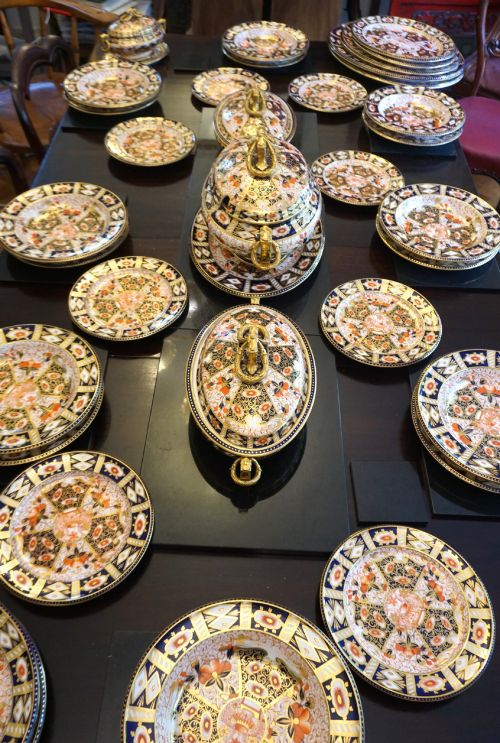
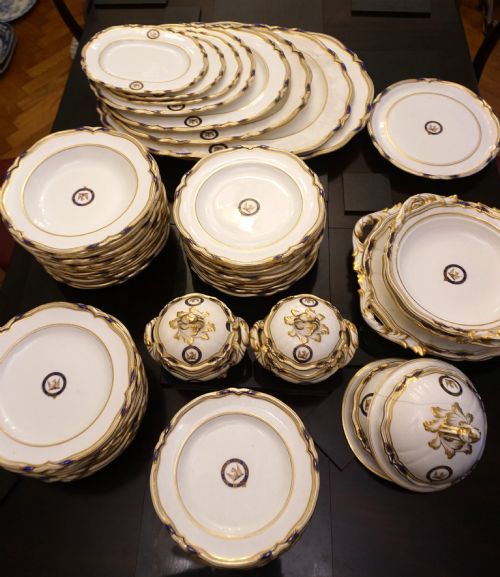
Blue porcelain tableware spans comprehensive dinner services, individual dessert dishes, sauce boats, and specialised serving pieces designed for formal dining. Buyers encounter British works from factories like Worcester, Caughley, and Davenport alongside continental and Japanese examples.
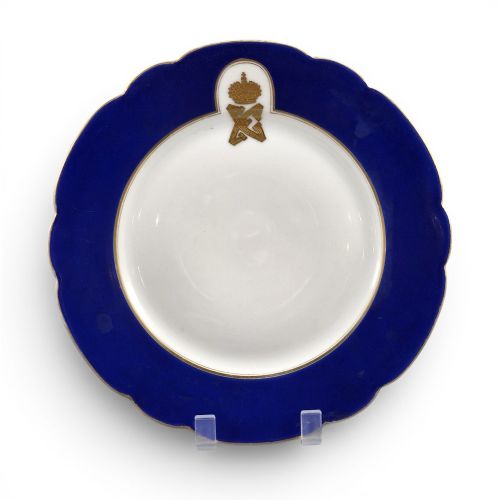
The selections range from eighteenth-century soft-paste porcelain decorated with Chinese figures to nineteenth-century ironstone services and twentieth-century bone china sets. These pieces reflect shifting domestic dining habits across the Georgian, Regency, and Victorian periods.
Plates, tureens, and coffee cans dominate the forms, offering practical utility alongside decorative display. Each item demonstrates the enduring appeal of cobalt blue pigments applied beneath or over the glaze.
How they were made
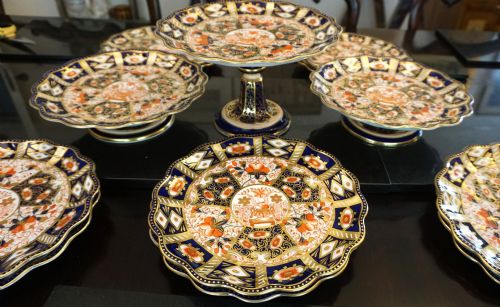
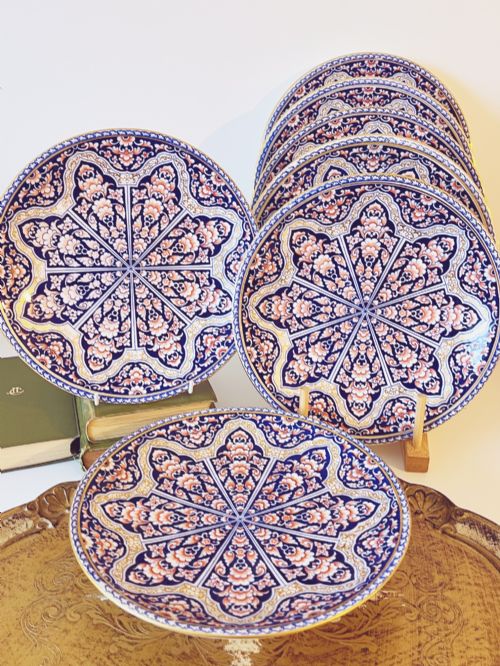
Potters shaped soft-paste or hard-paste porcelain and bone china bodies, often applying cobalt blue underglaze designs before firing at high temperatures. Many pieces received secondary overglaze enamelling in ironstone or Imari patterns, incorporating gold leaf and meticulous gilding.
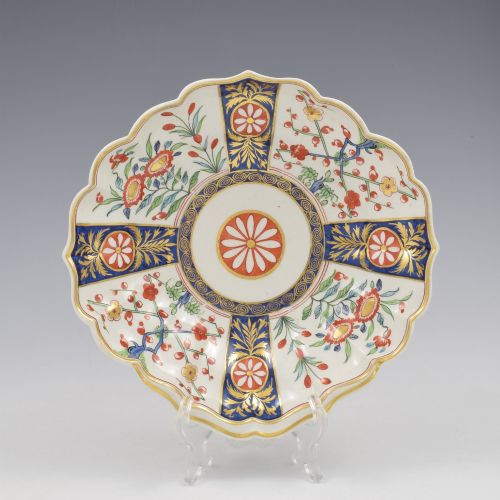
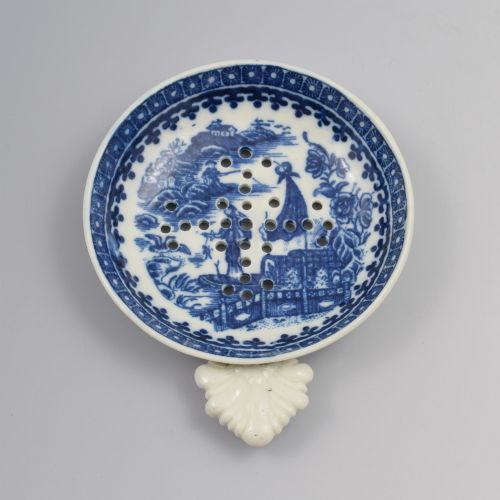
Specialised items like egg drainers and spoon warmers required intricate moulding techniques alongside traditional throwing and casting methods. Factories employed skilled painters to execute botanical studies, oriental motifs, and transfer-printed scenes directly onto the ceramic surface.
Blue Porcelain Tableware Retail Price Guide 2026
Typical asking prices for blue porcelain tableware among the pieces listed under this phrase on Sellingantiques today, from the lower quarter to the upper quarter. They describe what is for sale here now, not the wider market.
Listings feature porcelain, bone china, and ironstone across eighteenth-century, Regency, and Victorian periods.
What varies in quality
Quality rests upon the crispness of the blue pigment application, the delicacy of the porcelain body, and the precision of hand-painted or transfer-printed details. Early soft-paste pieces exhibit different translucency compared to later ironstone or bone china bodies.
The expertise of the decorating hand, particularly in complex Imari patterns or botanical studies, separates standard production wares from factory masterpieces. Preservation of original gilding and enamel brilliance also dictates the standing of individual services and serving dishes.
Davenport·Minton·Royal Crown Derby·Caughley·Coalport·Wedgwood
The Blue Porcelain Tableware Glossary
- Soft-paste porcelain
- An artificial porcelain composition fired at lower temperatures than hard-paste, producing a warm creamy body and deep glaze absorption.
- Imari style
- A decorative scheme inspired by Japanese export wares featuring cobalt blue, iron red, and gold leaf highlights.
- Ironstone
- A heavy, durable ceramic body patented in the nineteenth century to withstand rigorous daily dining use.
- Underglaze
- Pigment applied directly to the raw ceramic body before the transparent glaze layer is added and fired.
- Transfer printing
- A mechanical method of applying complex decorative patterns to ceramics using engraved copper plates and tissue paper.
Blue Porcelain Tableware: Frequently Asked Questions
How do I date blue porcelain tableware?
Dating relies on identifying factory backstamps, registration marks, and stylistic indicators such as the shift from eighteenth-century soft-paste bodies to nineteenth-century ironstone.
Examining the depth of the cobalt blue and the application method of any gilding also helps place a piece within the Georgian or Victorian eras.
Were these services used daily?
Many extensive dinner services and soup tureens saw regular use in wealthy households for formal meals, while smaller items like coffee cans served intimate gatherings.
Durability varied significantly between delicate eighteenth-century soft-paste porcelain and robust nineteenth-century ironstone equivalents.
How should I clean antique porcelain?
Gentle washing by hand in warm water with mild soap preserves both the glaze and delicate overglaze gold leaf decorations.
Harsh abrasives and modern dishwashers must be avoided to protect antique ceramic bodies and historical enamel work from irreversible damage.