




Blue Patterned Platter
A blue patterned platter serves as a grand table centrepiece, combining functional utility with intricate cobalt decoration from centuries past.
Blue Patterned Platter
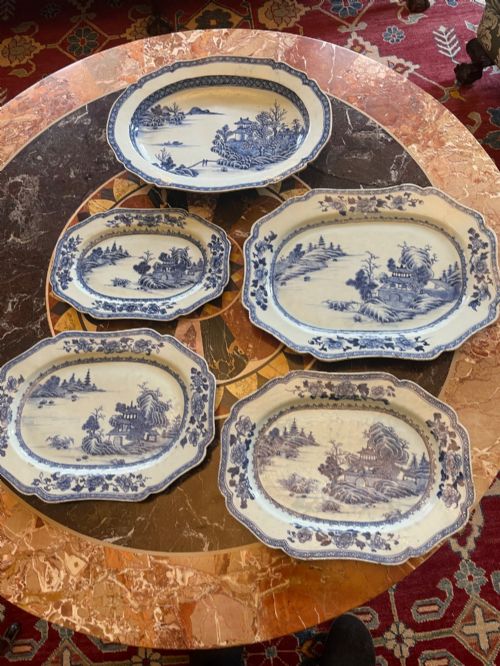
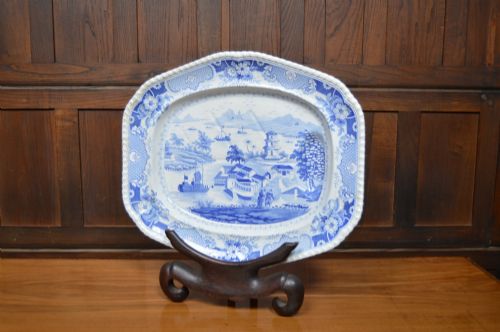
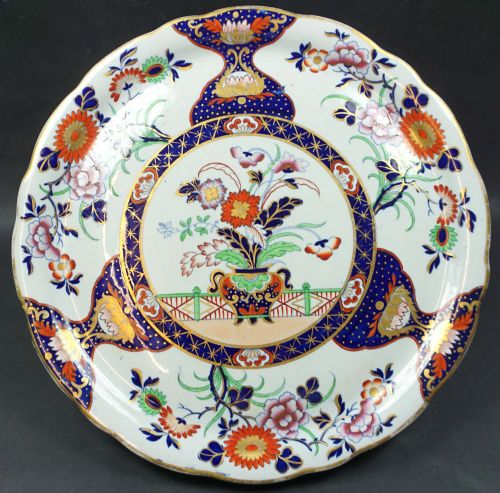
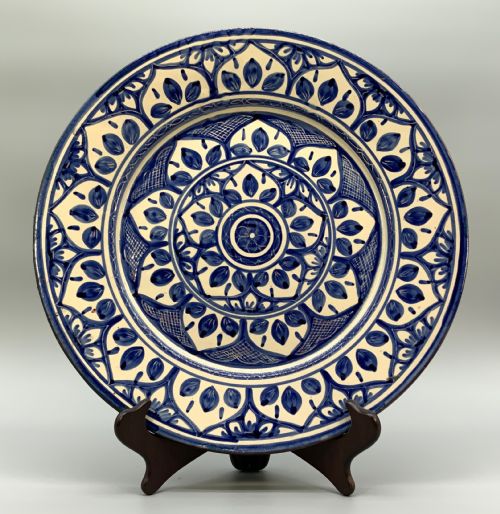
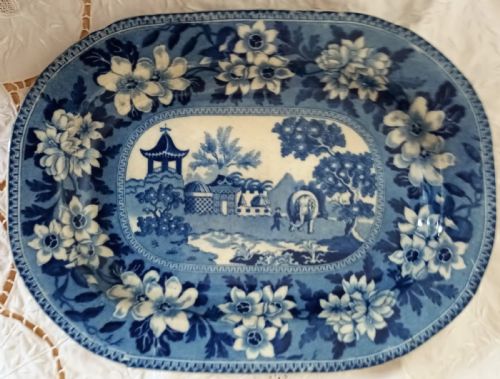
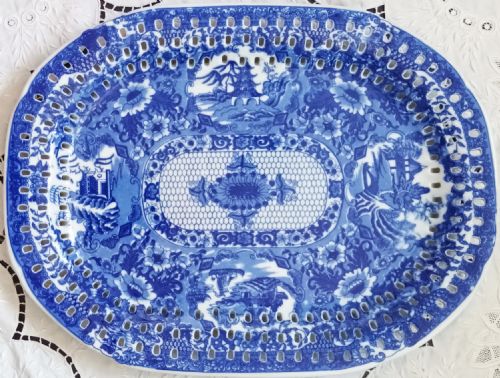
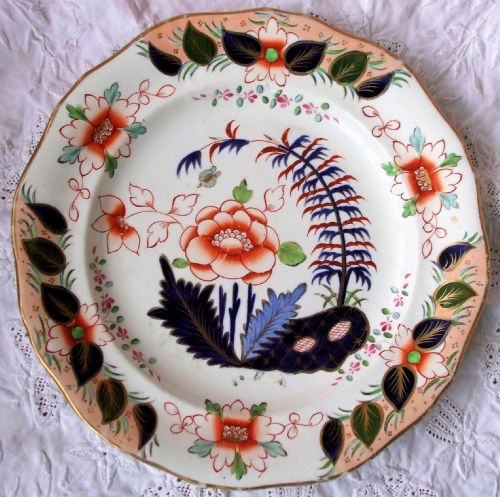
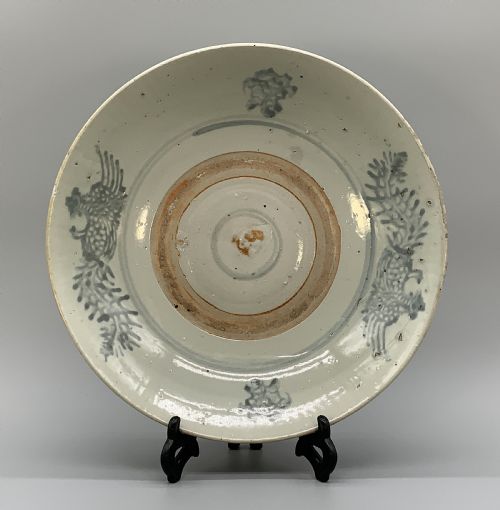
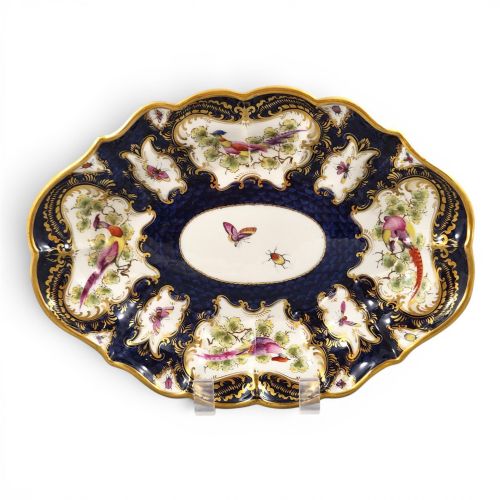
A blue patterned platter encompasses large serving dishes, meat plates, and chargers produced across the eighteenth and nineteenth centuries. These pieces typically display blue and white transfer printing, hand-painted cobalt motifs, or Chinese export designs on ceramic bodies.
The versions most commonly met on this page originate from English potteries during the Georgian and Victorian eras, alongside continental delftware and Chinese export wares. Forms range from flat serving surfaces to deep dishes equipped with integral strainers and gravy wells.
How they were made
Potters shaped earthenware, pearlware, ironstone, and porcelain on wheels or pressed them into moulds before applying glaze. Cobalt blue pigment provided the primary colour, fixed to the ceramic body through high-temperature kiln firing.
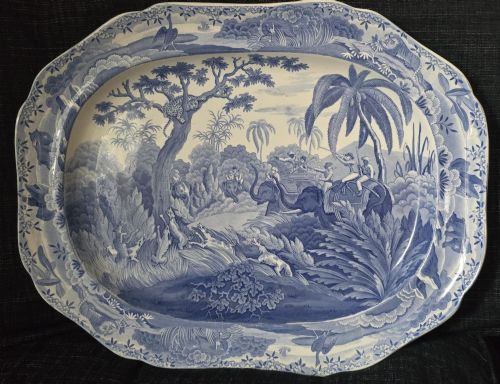
Transfer printing technology allowed intricate scenes such as ruins, landscapes, and oriental patterns to be transferred from copper plates onto the moist clay surface prior to glazing.
Blue Patterned Platter Retail Price Guide 2026
Typical asking prices for blue patterned platter among the pieces listed under this phrase on Sellingantiques today, from the lower quarter to the upper quarter. They describe what is for sale here now, not the wider market.
Listings feature pearlware, ironstone, earthenware, and porcelain bodies decorated with cobalt blue transfer printing across Georgian and Victorian periods.
What varies in quality
Quality rests upon the crispness of the transfer print, the depth of the glaze, and the fineness of the ceramic body. Early pearlware and porcelain exhibit thinner walls and finer potting than robust nineteenth-century ironstone.
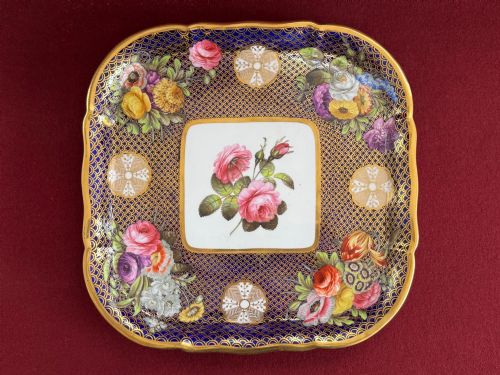
The artistic merit of the hand-painted details or the precision of the copperplate engraving dictates the distinction between standard utilitarian kitchenware and exceptional display pieces.
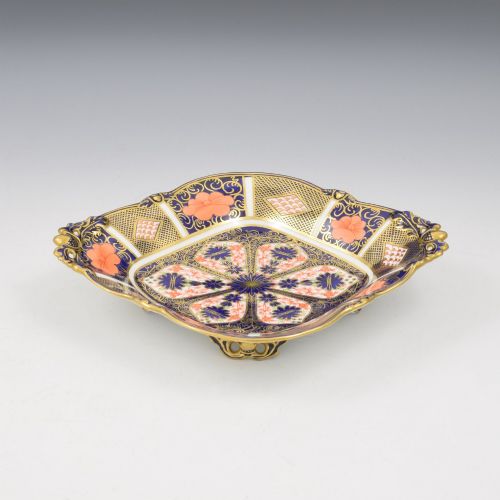
Spode·Royal Crown Derby·John Rogers and Son·John Davenport of Longport·Coalport·Minton·Thomas Lakin·Brameld and Co
The Blue Patterned Platter Glossary
- Transferware
- Ceramic pottery decorated by applying a printed design from an engraved copper plate using pigment. This technique allowed complex pictorial scenes to be replicated consistently across multiple plates and platters.
- Pearlware
- A refined earthenware developed by Josiah Wedgwood in the late eighteenth century featuring a subtle bluish glaze that masked the underlying cream-coloured body. It served as a popular canvas for blue and white patterns.
- Ironstone
- A heavy, durable type of feldspathic stoneware patented in the early nineteenth century by English potteries. It resisted chipping while supporting large transfer-printed serving platters and meat dishes.
- Charger
- A large decorative or serving plate intended for display on a sideboard or table centre rather than for individual dining. These wide surfaces often showcased elaborate cobalt landscapes.
- Meat drainer
- A pierced ceramic insert fitted into the well of a platter to separate juices from roasted meat during carving. These functional components are frequently collected alongside the dishes themselves.
Blue Patterned Platter: Frequently Asked Questions
What was a blue patterned platter used for?
These large vessels served roasted meats, fish, and communal courses at formal dining tables throughout the Georgian and Victorian periods. Their substantial surfaces accommodated large joints while catching juices in integrated wells or draining inserts.
Beyond the dining room, grander chargers and decorated plates were displayed upright on sideboards or dressers to demonstrate household status through intricate cobalt designs.
How do I identify the period of a platter?
Dating relies on examining the ceramic body, glaze characteristics, and maker marks stamped or printed on the underside. Early eighteenth-century pieces often feature pearlware bodies with blue hand-painted chinoiserie motifs, while mid-nineteenth-century examples typically utilise heavier ironstone.
Transfer-printed patterns also reference specific historical events, literary themes, or topographical views that correspond to known operational dates of the potteries that produced them.
Can I use these antique platters for serving food?
Most collectors reserve these pieces for display or light decorative use due to their age and delicate glaze composition. Historic ceramics can develop staining or micro-cracks when exposed to modern dishwashers, sudden thermal shocks, or acidic foods.
Hand washing in warm water without harsh detergents preserves the cobalt pigments and the integrity of the antique ceramic body for future generations.
What is the difference between earthenware and ironstone?
Earthenware provides a porous, lighter ceramic body frequently found on eighteenth-century pearlware and creamware plates. It requires careful handling and thicker glazing to remain sealed against moisture.
Ironstone represents a dense, vitrified stoneware introduced during the Regency era designed to withstand heavy daily use. It offers greater weight, chip resistance, and a more opaque white surface for transfer printing.