





Blue Painted Statue
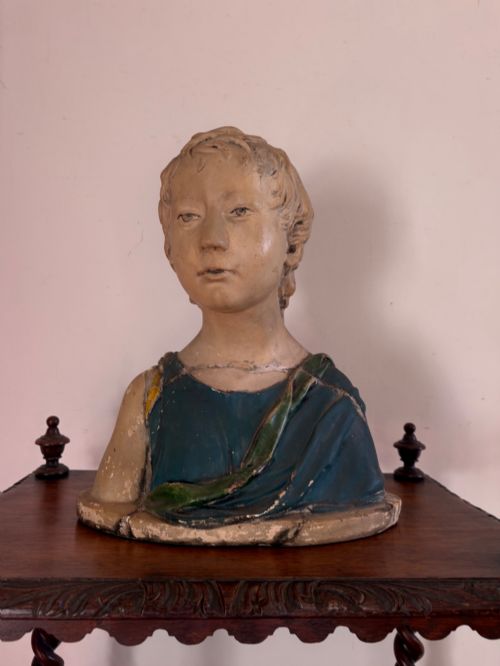
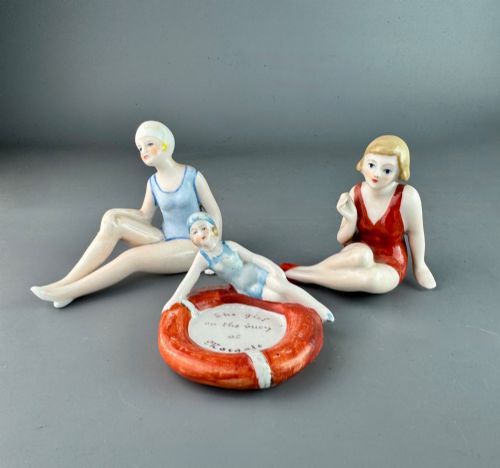
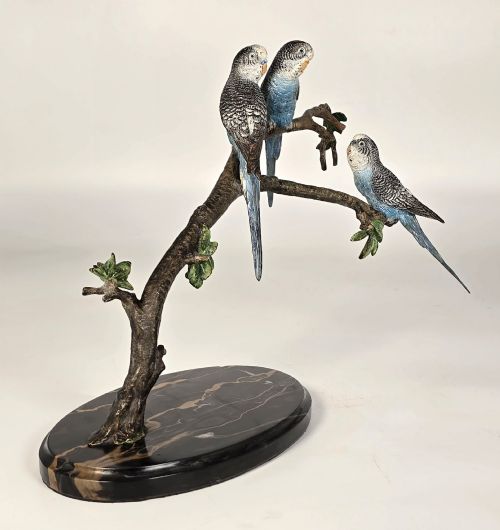
A blue painted statue brings character to a room, ranging from delicate porcelain bathing beauties to cold-painted bronze figures.
Blue Painted Statue
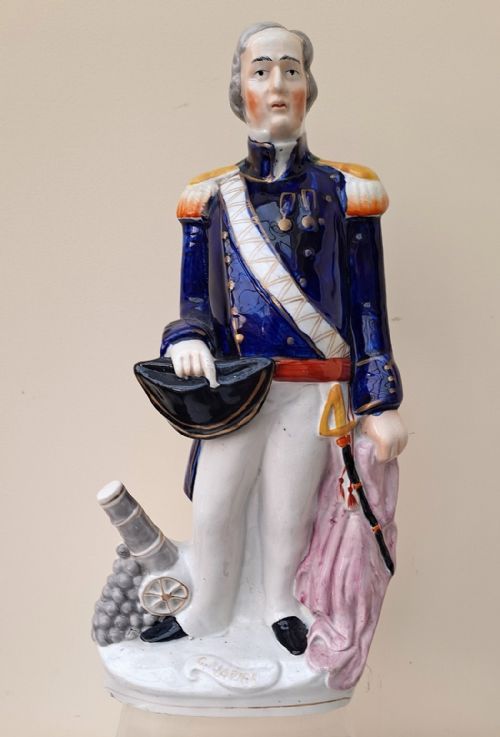
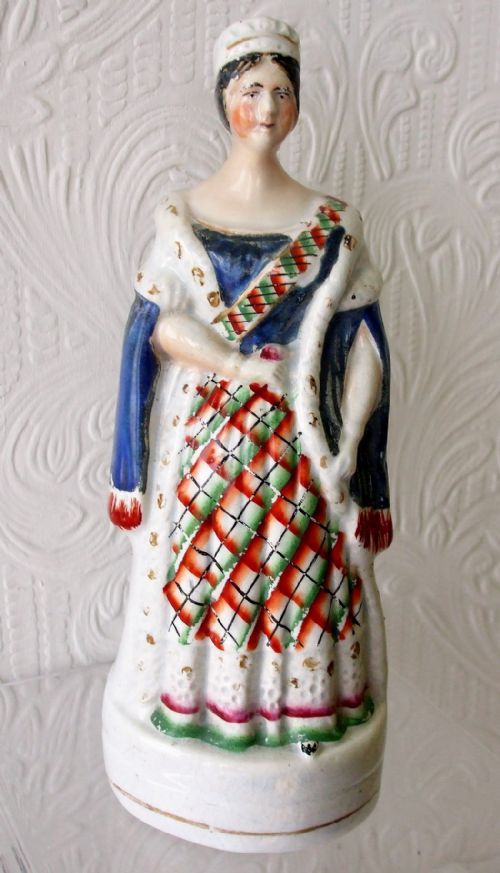
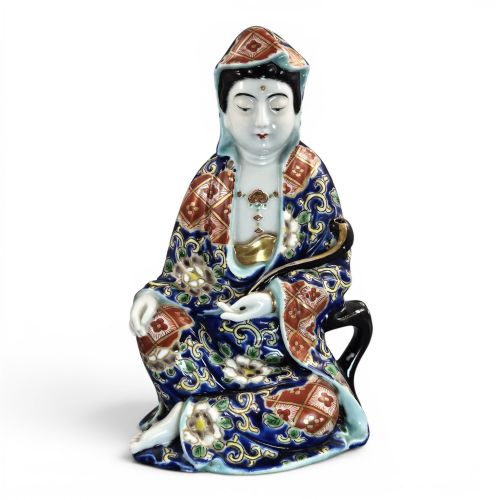
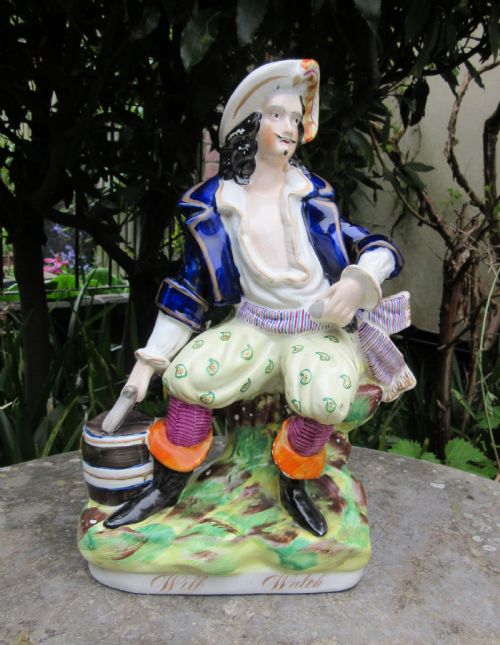
A blue painted statue encompasses decorative figures, sculptures, and ceramic figurines originating across the nineteenth and twentieth centuries. These pieces span diverse cultural traditions, including Japanese Arita and Kutani works, French biscuit porcelain, and English Staffordshire pottery.
Buyers will most frequently encounter porcelain and bronze figures bearing blue enamel or polychrome paint, often depicting historical figures, dancers, animals, or traditional market costumes. These items function primarily as decorative objects for display on mantelpieces, desks, and cabinets.
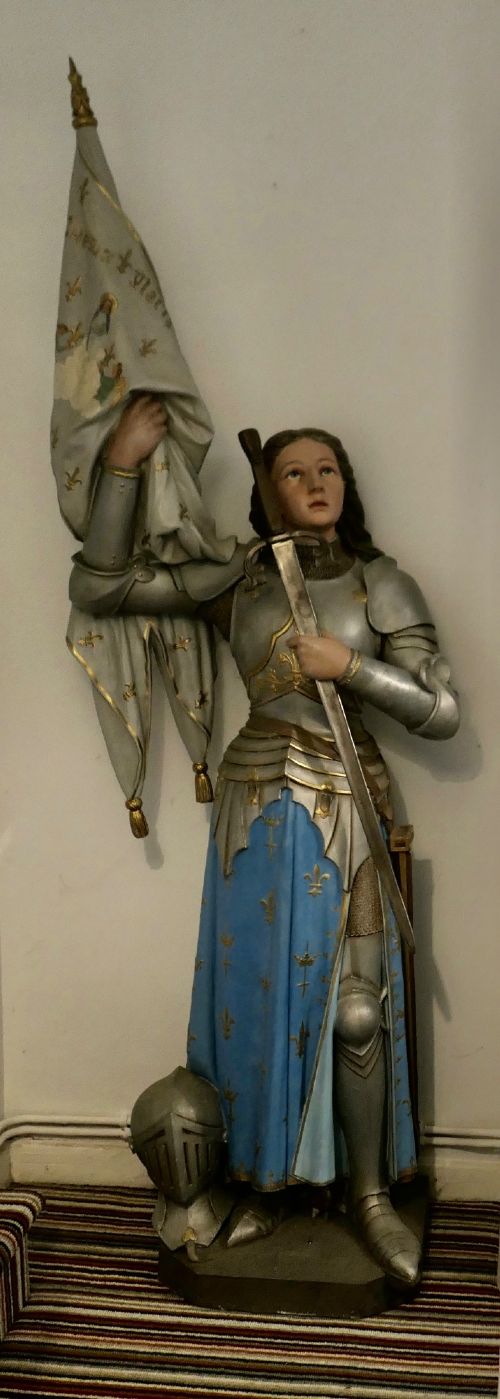
The selection includes specific regional characters, such as French statues of Saint Joan of Arc, German shepherd figures, and Art Deco bathing beauties. Each piece reflects the sculptural tastes and manufacturing methods of its respective period.
Materials and production
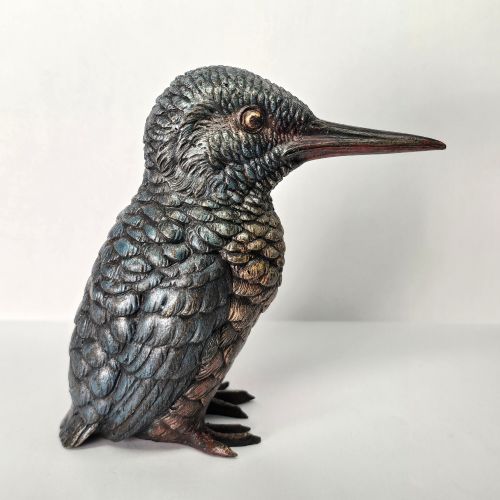
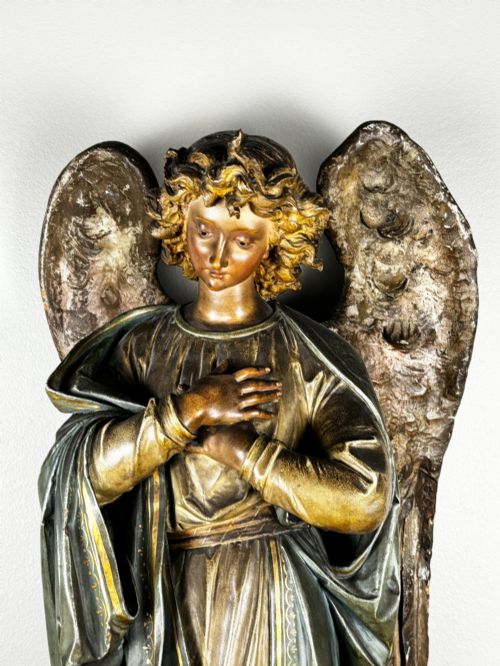
Makers shaped these statues using porcelain, earthenware, biscuit porcelain, and bronze, frequently applying surface decoration through cold-painting, enamel, and glaze. Bronze figures often incorporate cold-painted pigments directly onto the metal surface, sometimes mounted on marble bases.
Blue Painted Statue Retail Price Guide 2026
Typical asking prices for blue painted statue among the pieces listed under this phrase on Sellingantiques today, from the lower quarter to the upper quarter. They describe what is for sale here now, not the wider market.
Several statues capture delightfully specific subjects, including perched budgerigars, a Hell Courtesan, and Art Deco bathing beauties.
Assessing quality
Quality rests upon the crispness of the modelling and the precision of the hand-painted details across the surface. Superior pieces exhibit fine facial expressions, accurately rendered clothing textures, and careful control of enamel or cold-paint application.
The choice of medium and base materials dictates durability and refinement, with cast bronze and high-fired biscuit porcelain offering greater sculptural definition. Signatures, factory marks, and recognizable studio origins further distinguish standard production items from masterworks.
Rouillard Angers·Rauenstein German Porcelain·Josef Lorenzl·Chantilly·Royal Copenhagen·Royal Doulton
The Blue Painted Statue Glossary
- Cold-painted bronze
- A method where bronze sculptures are painted with oil paints after casting, rather than utilising high-temperature enamel firing.
- Biscuit porcelain
- Unglazed porcelain that has been fired once, resulting in a matte, white surface resembling marble.
- Polychrome
- The practice of decorating architectural elements, pottery, or sculptures in a variety of colours.
- Enamel
- A glassy substance applied to metal, glass, or ceramics by fusing at high temperatures for colour and protection.
- Earthenware
- Porous pottery fired at lower temperatures, typically finished with an opaque glaze.
Blue Painted Statue: Frequently Asked Questions
How do I clean a painted statue?
Dust surfaces gently with a soft dry brush to protect delicate cold-painted pigments and enamel finishes from damage.
Avoid using water or chemical cleaners on cold-painted bronze or antique painted ceramics, as moisture can lift the original paint layers.
Were these statues meant for display?
These decorative figures served primarily as interior ornaments for nineteenth and twentieth-century homes, placed on shelves, desks, and mantelpieces.
Many depict specific cultural archetypes, theatrical characters, or literary figures intended to reflect the refined tastes of the owner.
How can I tell the period?
Examine the base materials, maker marks, and stylistic indicators such as Art Deco geometries or Victorian theatrical clothing styles.
Techniques like cold-painting on bronze and specific ceramic bodies help anchor pieces to eras spanning the nineteenth century through the 1930s.
What is cold-painting?
Cold-painting is a technique where pigment is applied to metal surfaces without undergoing a high-temperature firing process.
This method allowed artists to achieve vibrant multi-coloured finishes on bronze sculptures, particularly popular during the early twentieth century.