

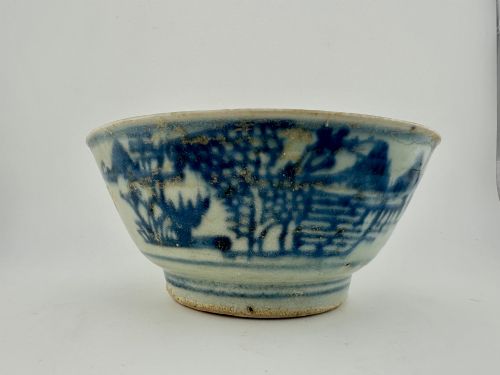


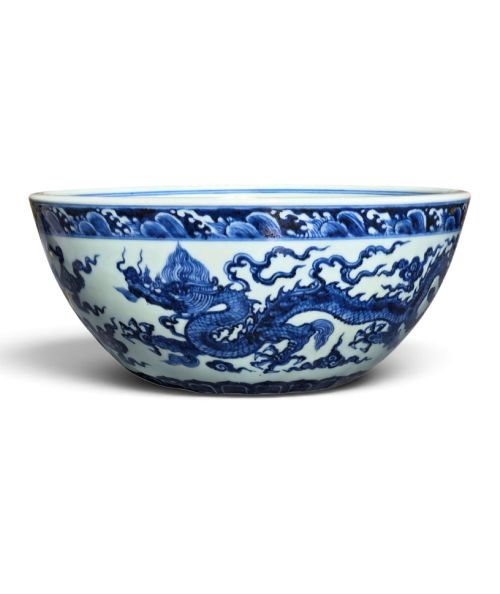

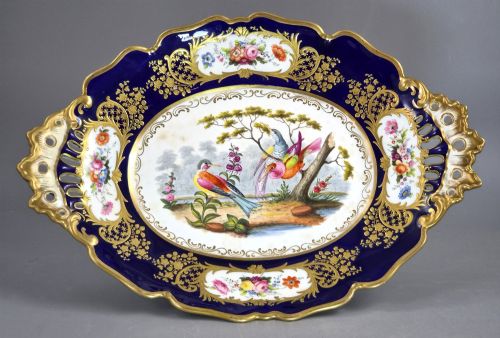
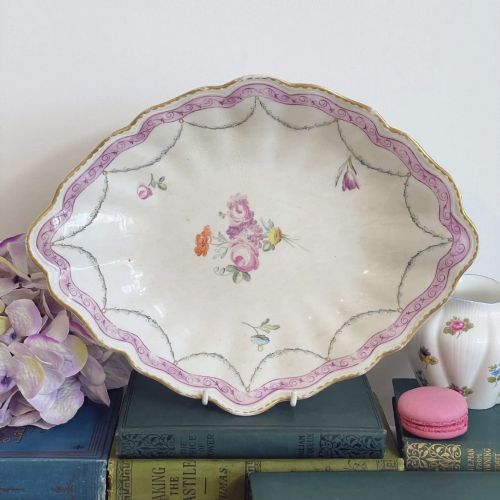

Blue Painted Ceramic Bowl
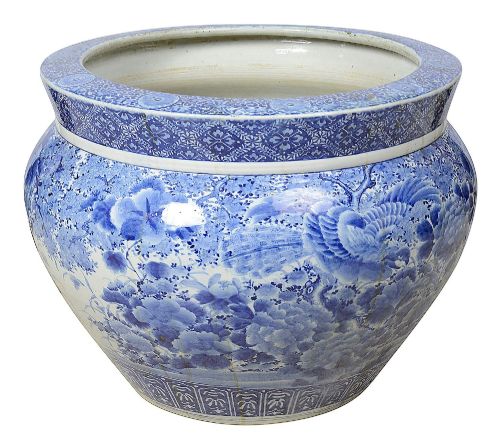
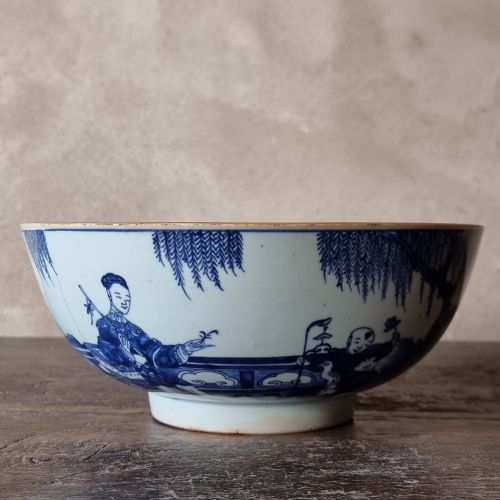
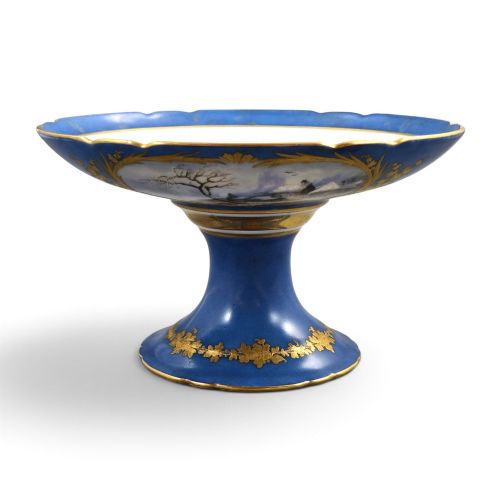
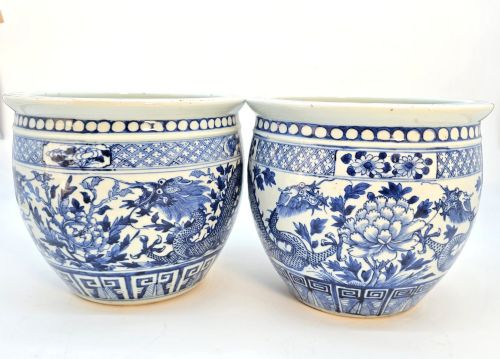
These pieces of blue painted ceramic bowl offer centuries of global artistry, from seventeenth century cargo recovery to nineteenth century European earthenware.
Blue Painted Ceramic Bowl
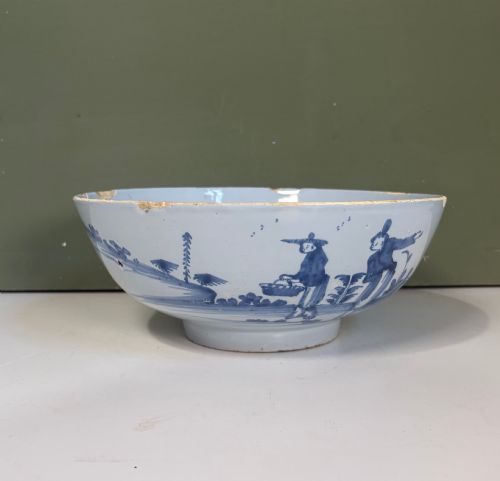
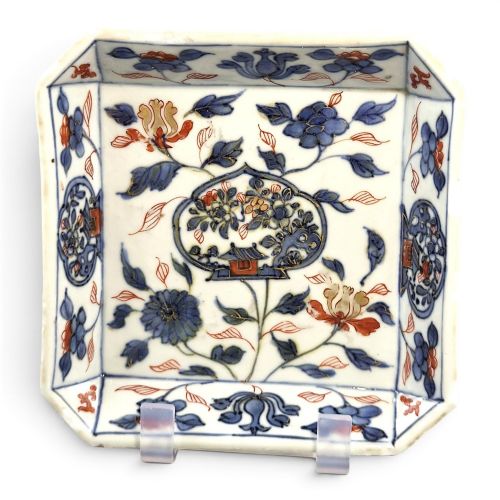
A blue painted ceramic bowl spans several centuries of production across diverse global kilns, encompassing domestic vessels and formal display pieces. When searching this phrase, one encounters wares originating from English potteries, European delftware manufactories, and East Asian workshops.
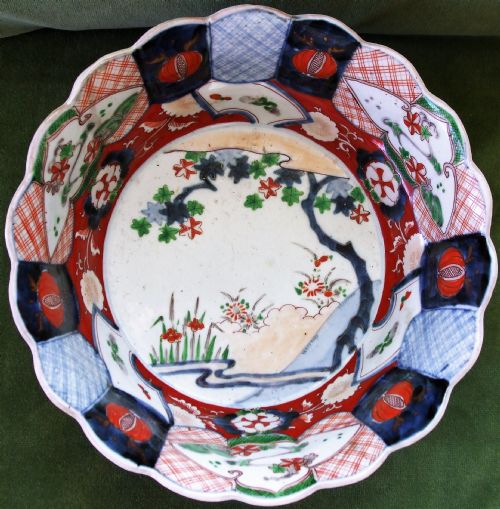
The most frequent form on this page is the Japanese Imari porcelain bowl, usually displaying scalloped edges from the nineteenth century. Alongside these, collectors will find eighteenth century punch bowls, Delft earthenware chargers, and Victorian footed pottery decorated in cobalt and polychrome palettes.
How They Were Made
Potters shaped these objects from earthenware, ironstone, and porcelain bodies, applying cobalt pigment and enamel directly onto the unglazed or fired clay. Many examples utilise a tin glaze or standard transparent glaze before undergoing a high temperature kiln firing.
Finishing touches frequently include handpainted floral, avian, or architectural motifs, occasionally supplemented with gilding, gold leaf, or moulded scallop shaping along the rim.
Blue Painted Ceramic Bowl Retail Price Guide 2026
Typical asking prices for blue painted ceramic bowl among the pieces listed under this phrase on Sellingantiques today, from the lower quarter to the upper quarter. They describe what is for sale here now, not the wider market.
Listings feature items spanning from the seventeenth century through the 1930s, utilising porcelain, earthenware, and ironstone.
What Varies in Quality
The refinement of the painted brushwork dictates much of the distinction between standard vessels and superior examples, particularly in the precision of cobalt outlining and floral detail. Crisp execution of motifs like dragons, pagodas, and fence patterns indicates greater artisan skill.
Porcelain density, glaze smoothness, and the crispness of moulded edges such as scalloped rims or chamfered corners also separate utilitarian kitchen wares from formal centrepieces.
Coalport·Mintons·Royal Crown Derby·Samson Paris·Worcester
The Blue Painted Ceramic Bowl Glossary
- Imari
- A style of Japanese porcelain featuring underglaze blue and contrasting overglaze enamel colours such as iron red and gold. These wares were heavily exported to Europe during the Edo and Meiji periods.
- Delft
- A tin glazed earthenware originating in the Netherlands and England during the seventeenth and eighteenth centuries. It typically presents a white surface painted with blue motifs inspired by Chinese imports.
- Ironstone
- A durable type of heavy earthenware patented in the nineteenth century to imitate porcelain. It provides a sturdy body suitable for large serving dishes and footed comports.
- Jardiniere
- A large ornamental pot or bowl designed to hold live plants or flowers. They appear in porcelain and earthenware across East Asian and European traditions.
Blue Painted Ceramic Bowl: Frequently Asked Questions
How do I date a delft bowl?
Eighteenth century delft bowls generally exhibit thick tin glaze application and earthy earthenware bodies beneath chips or wear. Earlier pieces often show minor kiln spurs and characteristic manganese or cobalt pooling.
Later Victorian imitations or revivals tend to use denser ceramic bases with more uniform modern glazes and machine applied transfer prints rather than freehand brushwork.
What is the difference between imari and blue and white?
Traditional blue and white porcelain relies exclusively on cobalt oxide applied beneath the glaze to create monochromatic designs. Imari wares incorporate additional overglaze colours, predominantly iron red and gold, alongside the primary blue.
This polychrome technique creates a denser, more decorative surface pattern that became popular for export markets during the Edo and Qing periods.
Are gaudy welsh bowls made in Wales?
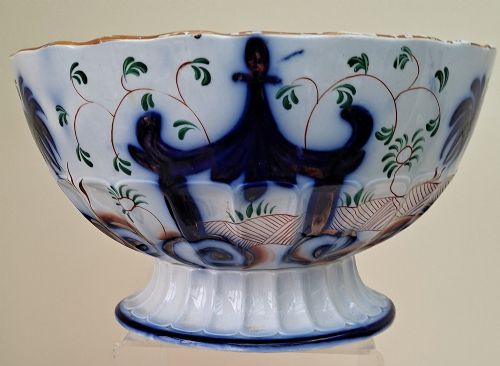
Gaudy Welsh pottery was actually manufactured in English regions like Staffordshire rather than Wales. The descriptive term arose because Welsh households purchased large quantities of these brightly coloured earthenware tea wares.
They are easily identified by their vibrant underglaze cobalt combined with copper lustre and floral transfer patterns.