


Blue Oil Paint Portrait
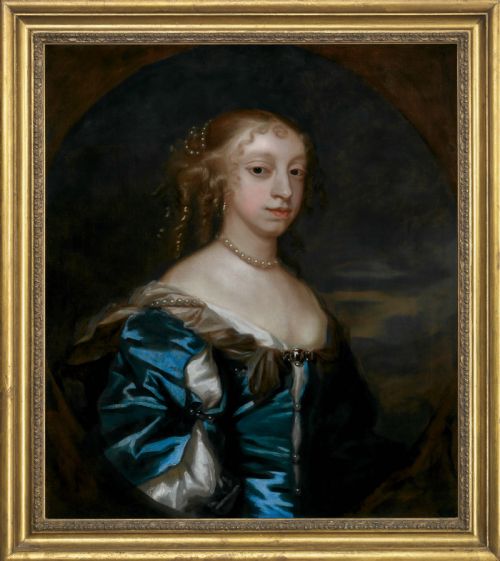
A blue oil paint portrait captures the commanding presence of sitters through deep pigments and layered brushwork spanning centuries of portraiture.
Blue Oil Paint Portrait
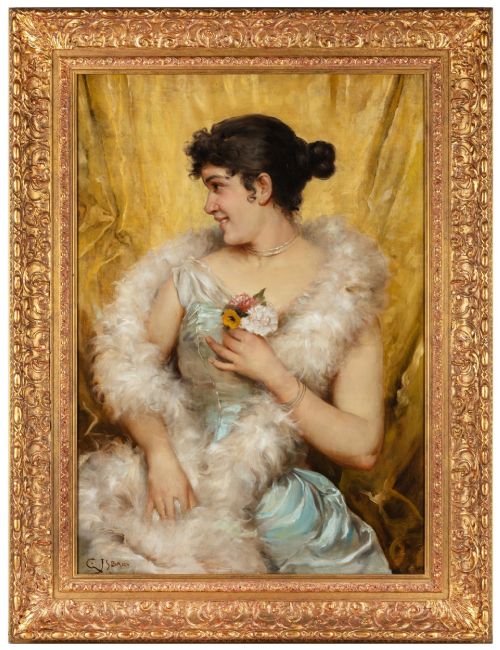
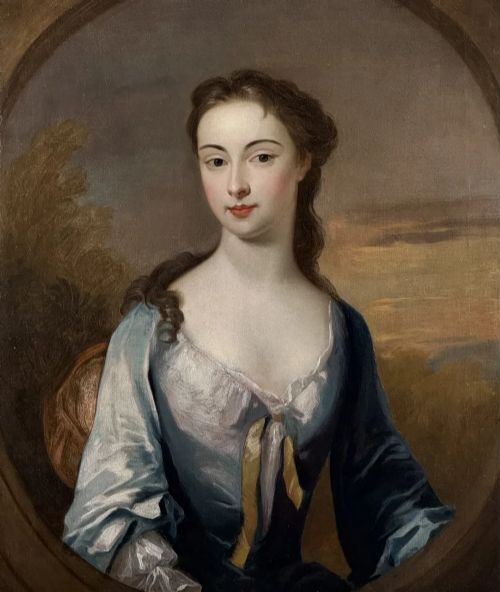
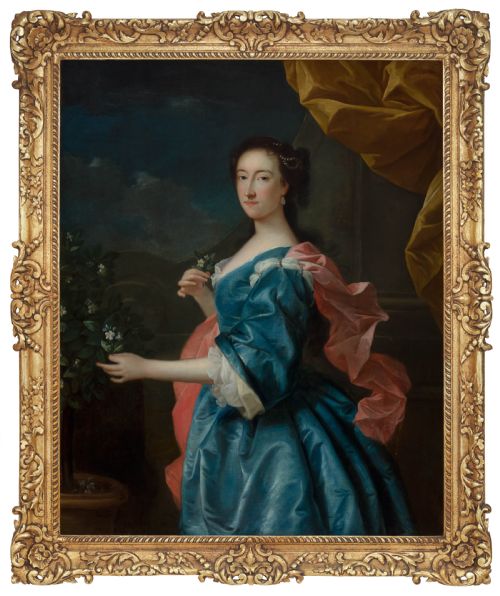
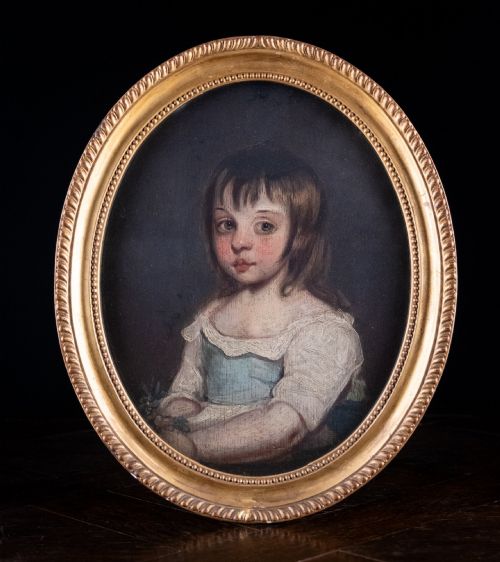
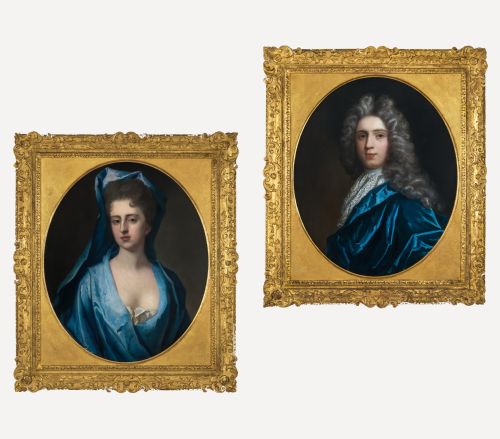
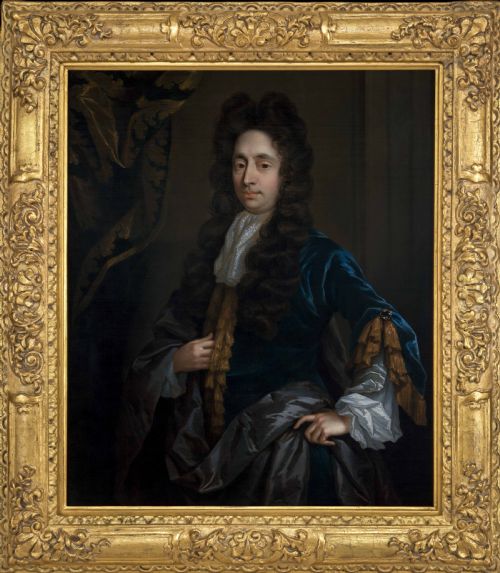
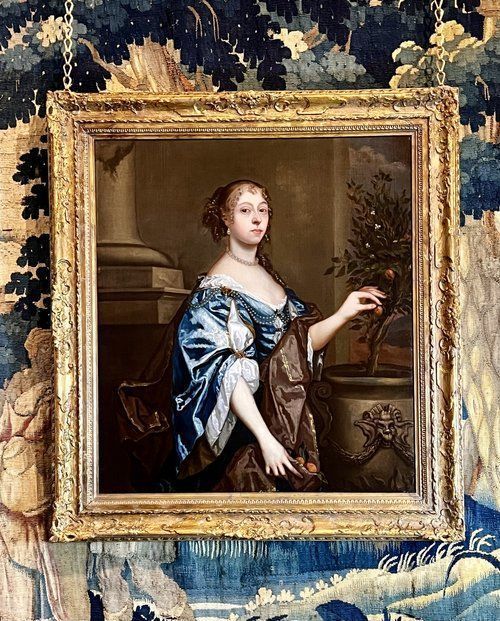
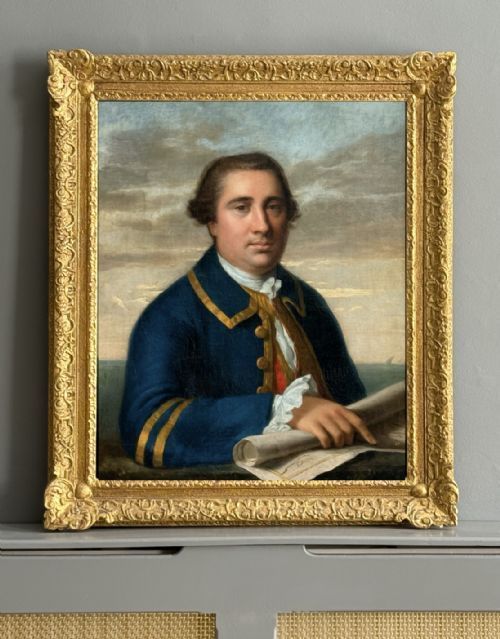
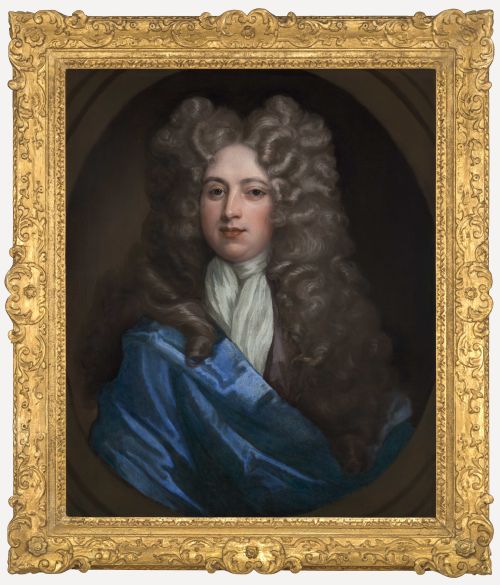
A blue oil paint portrait depicts subjects ranging from seventeenth-century nobility to nineteenth-century gentlemen and ladies, often highlighting garments rendered in rich blue tones. These works appear predominantly on canvas and wooden panels, originating from British, French, and broader European schools across the seventeenth, eighteenth, and nineteenth centuries.
Buyers encounter formal aristocratic depictions featuring azure cloaks and silk dresses alongside informal nineteenth-century studies and naive folk art interpretations. The selection extends from grand studio pieces attributed to established portraitists down to regional and provincial works executed on panel or board.
The enduring appeal lies in the psychological depth achieved through oil paint, where rich blue drapery contrasts against neutral backgrounds to draw the viewer directly to the sitter's expression.
How They Were Made
Artists utilised traditional oil paints bound in linseed or walnut oil, layered onto stretched woven canvas or prepared wooden panels to build luminous depth. Grounds were applied to seal the support before the application of underpainting and subsequent glazes of pigment.
Specific pigments provided the varied blue hues seen in mantles and coats, applied with hog bristle or sable brushes to create both sharp linear details in lace and soft blending in fabric folds.
Several seventeenth-century sitters shared canvas space with small spaniels or orange trees.
What Varies In Quality
The stability of the primary support and the preservation of the original paint surface dictate the long-term integrity of the piece. Works retaining undisturbed glazes and minimal later overpaint command greater admiration from collectors.
Charles Jervas·Michael Dahl·Thomas Murray·Jonathan Richardson·Henry Pickering
The Blue Oil Paint Portrait Glossary
- Canvas
- A heavy woven fabric stretched across a wooden frame to serve as a painting support. It provides a flexible and textured surface that accepts oil priming.
- Panel
- A flat wooden board utilised as a rigid support for oil paintings before canvas gained widespread favour. Panels often exhibit distinctive grain patterns on the reverse.
- Glaze
- A thin, transparent layer of oil paint applied over an opaque underlayer to alter colour intensity and luminosity. This technique creates rich optical effects in fabrics like silk and velvet.
- Periwig
- A voluminous man's wig fashionable during the late seventeenth and early eighteenth centuries. Its cascading curls frequently appear in formal portraiture of the period.
- Mantle
- A loose cloak or wrap draped over the shoulders of sitters in classical and formal portraits. Artists often rendered these garments in vibrant blue to contrast with neutral backgrounds.
Blue Oil Paint Portrait: Frequently Asked Questions
How do I date an old portrait?
Dating relies heavily on the sitter's costume, hairstyle, and framing conventions rather than signature alone. Periwigs, specific lace collars, and cut sleeves offer reliable chronological markers.
Examining the reverse of the canvas or panel often reveals stretcher construction, old labels, or stamps that help narrow the period of creation.
Why is blue pigment prominent in these works?
Blue pigments denoted wealth and status, as high-grade blue colourants were costly commodities commissioned by affluent patrons. Sitters frequently chose blue cloaks, ribbons, or gowns to project authority and taste.
Portraitists used these saturated blue areas to anchor the composition and guide the viewer's eye toward the face.
Are these paintings executed on canvas or panel?
Both supports appear regularly across different centuries, with wooden panels dominating earlier seventeenth-century works and canvas prevailing from the eighteenth century onward. Panel paintings require stable environmental conditions to prevent warping of the wood.
Canvas works depend on the original weave and tension of the fabric for structural longevity.
How should I hang an oil portrait at home?
Position paintings away from direct sunlight and fluctuating heat sources to protect the delicate oil glazes and wooden frames. Stable interior humidity prevents the canvas from slackening or the panel from cracking.
Ensure adequate wall fixings matched to the weight of the heavy giltwood or wooden frames typical of period art.