



Blue Ocean Canvas
A blue ocean canvas captures the movement of open water and coastal air through layered oil paint applied directly to woven fabric.
Blue Ocean Canvas
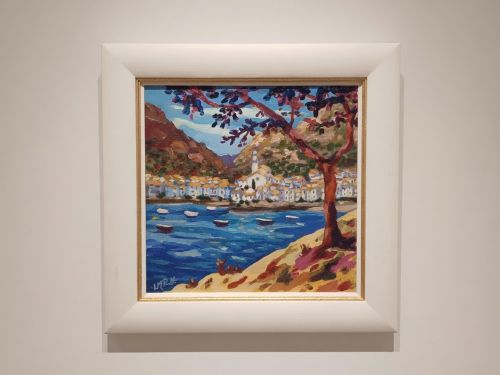
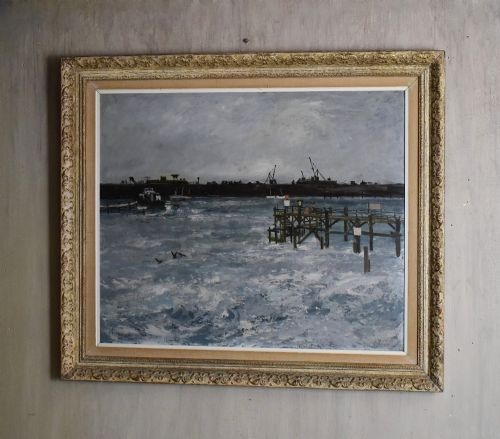
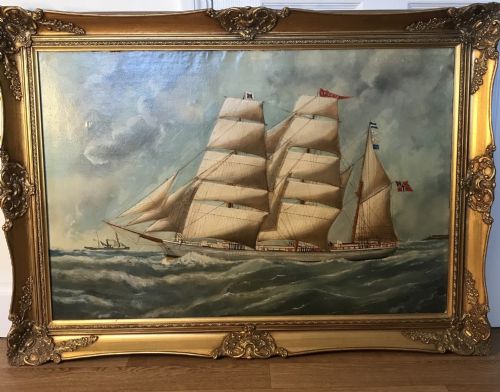
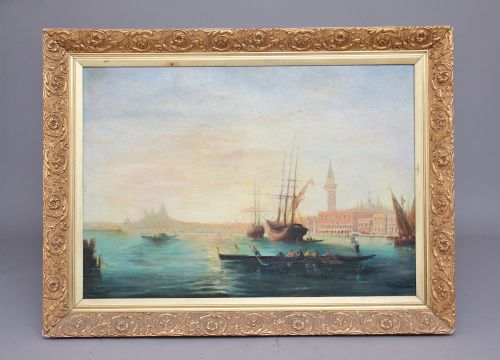
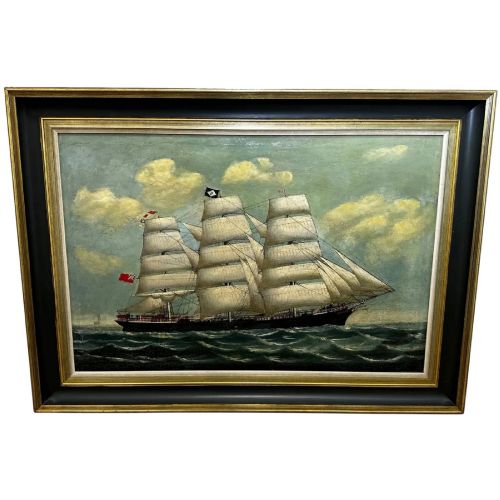
When you examine a blue ocean canvas, you are looking at marine art, coastal landscapes, and port scenes executed primarily in oil paint. These works range from Victorian depictions of sailing ships to mid-twentieth-century modernist seascapes.
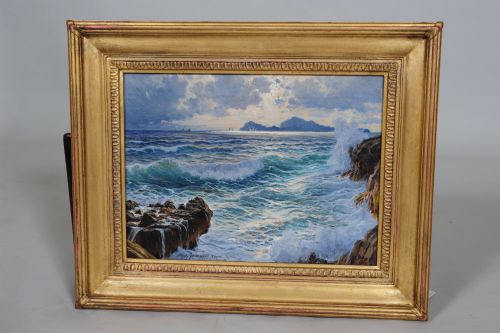
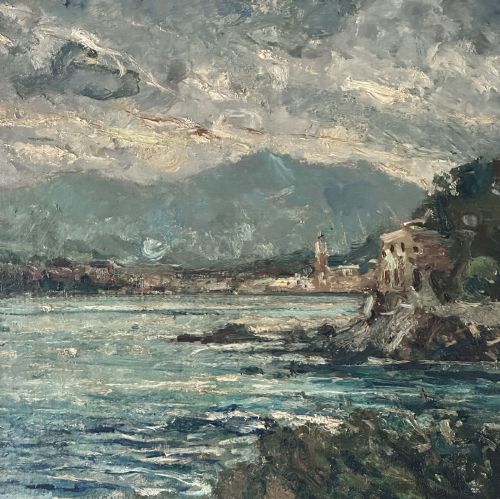
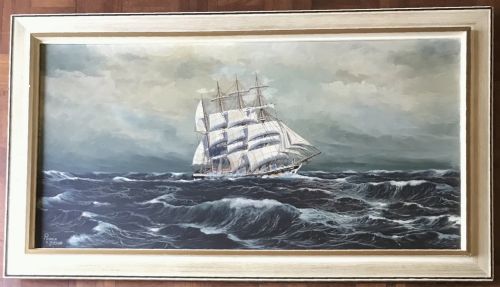
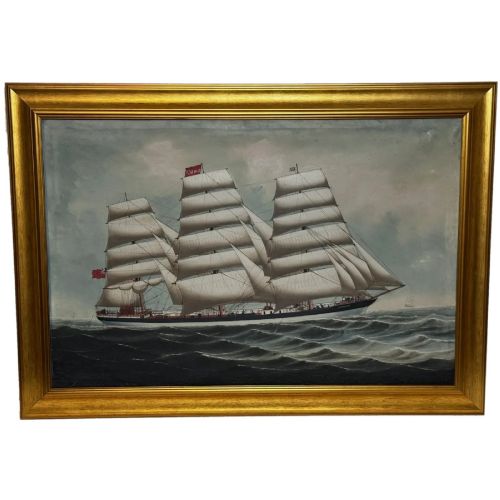
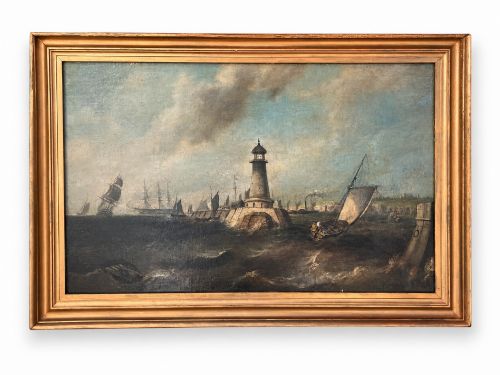
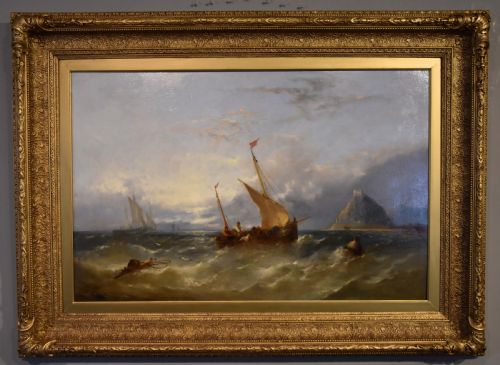
The most common formats on this page include framed oil paintings on canvas depicting tall ships, fishing boats, and stormy coastal waters from the nineteenth century up through the nineteen-fifties.
How they were made
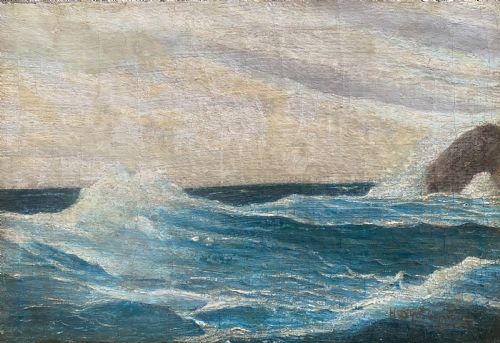
Artists built these works by applying oil paint onto stretched canvas, often utilising heavy impasto to render the texture of crashing waves and turbulent skies. Pigments were mixed with oils to achieve deep marine blues and luminous whites.
Many of these paintings are housed in original giltwood frames that complement the maritime subject matter. The physical support relies on woven canvas fixed to wooden stretchers.
Blue Ocean Canvas Retail Price Guide 2026
Typical asking prices for blue ocean canvas among the pieces listed under this phrase on Sellingantiques today, from the lower quarter to the upper quarter. They describe what is for sale here now, not the wider market.
Listings feature canvases spanning from the nineteenth century through the nineteen-sixties, using oil paint on stretched wood frames.
What varies in quality
The distinction between standard decorative maritime works and superior compositions lies in the artist's handling of light, water movement, and atmospheric perspective. Master painters capture the weight of a vessel and the specific chop of a coastal tide with confident brushwork.
Condition of the canvas, stability of the paint layer, and the presence of period-appropriate framing influence the overall integrity of the piece.
Michele Federico·Reginald Arthur Borstels·Peter Brannan·Lai Fong·Nicholas Condy·William Henry Williamson·Elisabeth Bardon·Charles Napier Hemy·Gustave De Bréanski·Daniel Sherrin·Charles Malfroy·Stephen J Renard·Hendrik Willebrord Jansen·Dion Pears·Consalvo Carelli·George Gregory·H Hadfield Cubley·Herbert James·James Watson·Richard Ball Spencer·Edward T Jones·Johan Jens Neumann
The Blue Ocean Canvas Glossary
- Impasto
- Paint applied thickly to a canvas so that it stands out from the surface. This technique gives texture to breaking waves and clouds.
- Giltwood
- Wood carved and covered with a thin layer of gold leaf. Frames made this way frequently accompany nineteenth-century marine art.
- Marine painting
- Artwork that depicts ships, harbours, ocean liners, and coastal views. This genre forms the core of the available selections.
- Stretchers
- The wooden frames used to keep an artist canvas taut. Older pieces utilise wedge-cornered wooden frames.
- Seascape
- A painting representing the sea. These works focus on the water and weather rather than land.
Blue Ocean Canvas: Frequently Asked Questions
What is a marine oil painting?
A marine oil painting depicts ships, oceans, and coastal environments using oil-based pigments on canvas. These works record naval history, commercial shipping, and coastal weather.
Such pieces range from precise nineteenth-century vessel portraits to looser twentieth-century impressionist water scenes.
How do I date a canvas painting?
Dating relies on stylistic evidence, stretcher construction, artist signatures, and framing materials. Victorian works often feature detailed rigging and gilt frames.
Later mid-century pieces demonstrate broader brushwork and modernist interpretations of light and water.
Where should I hang coastal art?
Coastal art suits spaces with natural light and neutral walls that allow the deep blues and greens of the paint to stand out. Keep paintings away from direct sunlight and high moisture areas.
Pairing these works with traditional wooden furniture enhances their historic maritime character.
What subjects appear in these paintings?
Common subjects include tall sailing ships, steam liners, fishing trawlers, and rocky coastlines. Many compositions capture specific locations such as Cornwall, Naples, and the Venetian lagoon.
Artists also recorded dramatic weather events, from calm morning tides to stormy seas.