





Blue Ivory Oriental Rug
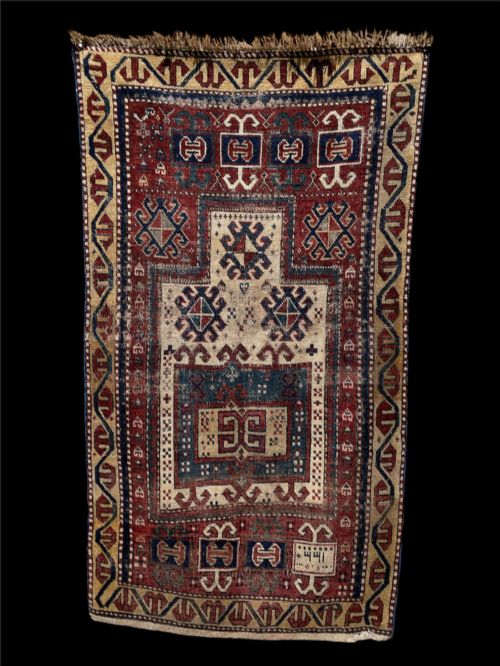
A blue ivory oriental rug brings quiet structure and rich texture to a room, spanning styles from Persian village work to Caucasian prayer rugs.
Blue Ivory Oriental Rug
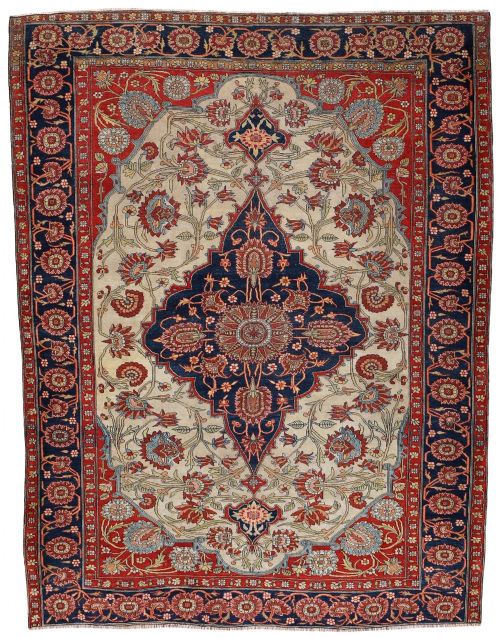
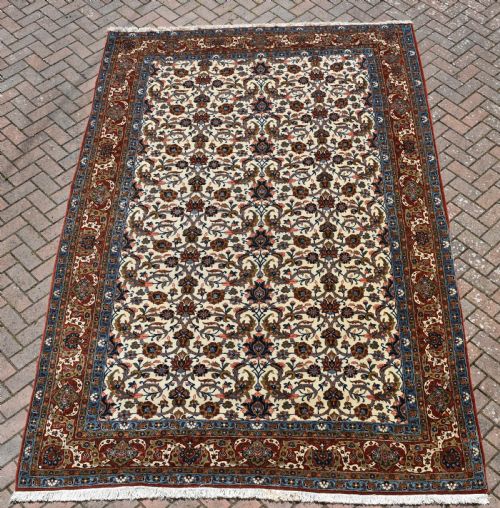
A blue ivory oriental rug is a floor covering defined by its striking palette, combining deep indigos and soft creams across diverse regional weaving traditions. When searching for a blue ivory oriental rug, buyers encounter pieces originating from Persian city centres, Caucasian workshops, and Anatolian looms.
The selection ranges from roomsize carpets to narrow runners and small prayer rugs, reflecting the varied output of nineteenth and early twentieth century weavers. Traditional Persian designs, Persian tribal patterns, and Ottoman Turkish motifs dominate the selection available on this page.
Examples span several decades, reaching back to the nineteenth century and extending into the nineteen thirties. Each piece demonstrates the enduring appeal of contrasting blue and ivory tones within classical carpet architecture.
How these rugs were made
These floor coverings rely on natural fibres, primarily utilising wool for the pile and cotton for the structural foundation. Selected carpets incorporate silk highlights to accentuate specific design elements within the central medallion or border.
Weavers knotted these materials by hand on upright looms, employing traditional techniques passed down through generations in regions such as Tabriz, Isfahan, and Ushak. Vegetable and natural dyes produced the enduring blue and ivory colourways seen across the inventory.
Blue Ivory Oriental Rug Retail Price Guide 2026
Typical asking prices for blue ivory oriental rug among the pieces listed under this phrase on Sellingantiques today, from the lower quarter to the upper quarter. They describe what is for sale here now, not the wider market.
Certain antique tribal weavers included hidden dragon and phoenix motifs beneath their ivory ground wool.
What varies in quality
Quality in these textiles depends upon the density of the knotting and the precision of the design execution. Finer execution allows complex medallion patterns and detailed animal or floral motifs to appear crisp and well defined.
The choice of wool also influences the tactile presence and resilience of the surface over decades of use. Superior materials retain their depth of colour and structural integrity through generations.
The Blue Ivory Oriental Rug Glossary
- Medallion
- A central ornamental design motif placed in the middle of the field. This focal element often anchors the entire composition of the carpet.
- Prayer rug
- A small format textile featuring a niche or arch design at one end. Historically, worshippers used these pieces to kneel upon during daily prayers.
- Runner
- A long, narrow carpet format designed for corridors, hallways, and staircases. These pieces guide movement through domestic spaces while providing soft footing.
- Pile
- The upright cut or looped threads that form the usable surface of the rug. This soft layer absorbs wear and displays the woven pattern.
- Foundation
- The underlying grid of warp and weft threads that supports the knotted pile. Cotton serves as the primary structural base in the majority of these pieces.
Blue Ivory Oriental Rug: Frequently Asked Questions
Where should I place a runner?
Narrow formats suit hallways, corridors, and bedside spaces where floor coverage needs to remain restrained in width.
Their elongated proportions direct foot traffic while adding warmth to transitional areas of the home.
How do I care for wool pile?
Regular gentle vacuuming without a beater bar removes surface dust before it settles deep into the foundation.
Professional cleaning by specialists in antique textiles preserves the natural lanolin and dye stability.
What is a prayer niche?
The architectural arch depicted at one end of specific rugs indicates the direction of Mecca during prayer.
Weavers often orient the design so the worshipper faces into the mihrab motif.
How do regional styles differ?
City workshops in Tabriz and Isfahan produce balanced floral curves and precise medallion layouts.
Village and tribal workshops in regions like Bakshaish and Hamadan favour geometric abstraction and bolder, idiosyncratic motifs.