


Blue Gustavian Chest Drawers
Blue gustavian chest drawers bring distinct Scandinavian neoclassical character into a room through pale painted surfaces and classic proportions.
Blue Gustavian Chest Drawers
When you search for blue gustavian chest drawers, you encounter storage pieces rooted in eighteenth-century Swedish design traditions. These items span periods from the seventeen-fifties through the nineteenth century, including later revival pieces.
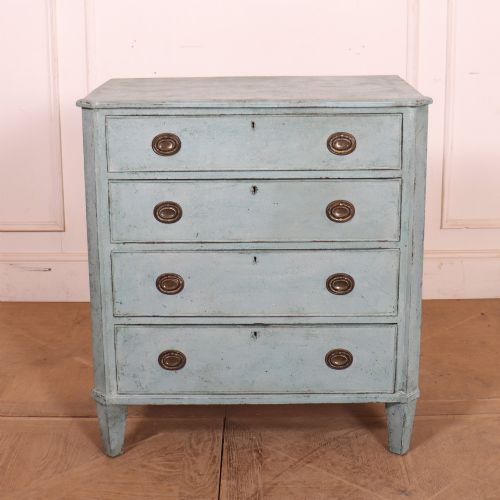
The selections here showcase distinct forms such as commodes and chests of drawers with painted softwood, pine, and oak bodies. Stylistic influences extend from Swedish gustavian and Scandinavian country to Scandinavian baroque and Dutch provincial.
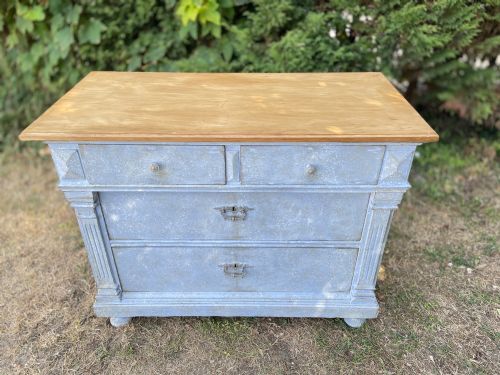
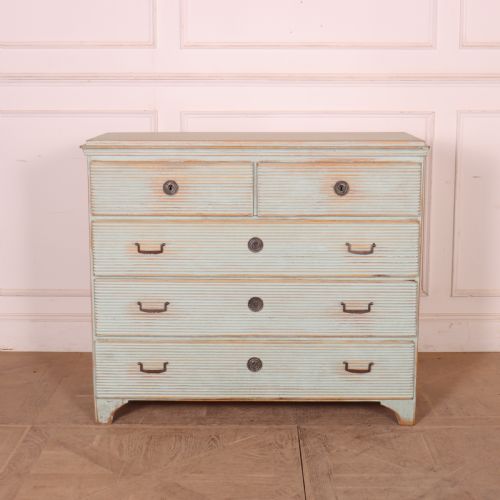
You will most commonly meet nineteenth-century painted Swedish commodes alongside eighteenth-century examples. Many pieces feature painted finishes that complement the classic drawer arrangements and fluted drawer fronts.
How they were made
Carpenters constructed these chests primarily using pine, softwood, and oak as the foundational timber for frames and drawer carcasses. Metal, iron, and brass components served for hardware, pulls, and structural reinforcement.
Surfaces received layers of paint to achieve the characteristic painted finishes seen across the pieces. Some examples incorporate decorative surface treatments, including faux marble tops and diamond-point moulding details.
Materials documented across the inventory incorporate brass, iron, and metal hardware alongside wood.
What varies in quality
The standard of execution in carving and joinery marks the distinction between ordinary and superior examples. Crisp fluting on drawer fronts and well-proportioned neoclassical details indicate skilled cabinet work.
Surface treatments and the handling of the painted finish also define the caliber of a piece. Original or historically appropriate paint layers demonstrate a truer adherence to period style than heavier, unconsidered repainting.
The Blue Gustavian Chest Drawers Glossary
- Gustavian
- The Swedish neoclassical style developed during the reign of Gustav III, characterised by restrained classical motifs and light-coloured painted finishes. This aesthetic drew inspiration from French louis xvi design but maintained a distinct Nordic simplicity.
- Commode
- A low chest of drawers or cabinet, often featuring two or more drawers. In continental and Scandinavian traditions, these pieces frequently served as decorative storage in bedrooms and reception rooms.
- Faux marble
- A painted surface finish designed to imitate the appearance of genuine marble. Artisans applied this technique to wooden tabletops to provide a decorative stone look without the excessive weight.
- Scandinavian Baroque
- An ornate furniture style preceding the gustavian period, known for heavier proportions and robust carved details. Pieces from this era display energetic forms before the shift towards neoclassical restraint.
Blue Gustavian Chest Drawers: Frequently Asked Questions
Where should I place a commode?
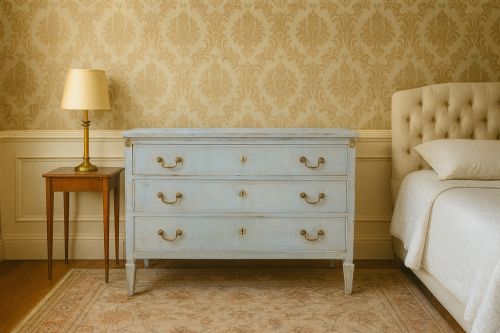
These chests work well in bedrooms, hallways, or living spaces where surface display and concealed storage are both required. Their painted finishes allow them to sit comfortably against neutral walls or contrast with darker interiors.
Ensure the dimensions suit the chosen wall space, leaving adequate clearance for drawers to open fully. Placing a lamp or decorative objects on top completes the traditional arrangement.
How do I care for painted wood?
Dust the surfaces regularly with a soft, dry cloth to prevent dirt accumulation. Avoid harsh chemical cleaners that can degrade historic or delicate painted finishes.
Keep the chest away from direct heat sources and strong sunlight to protect the wood and paint from drying out or fading over time.
What is a faux marble top?
A faux marble top is a painted wooden surface created to mimic the veining and texture of natural stone. This technique gave the appearance of luxury materials while utilising lighter, accessible timbers.
Such tops require the same gentle cleaning as the rest of the painted body, avoiding abrasive scrubbing.
How do I identify gustavian style?
Look for restrained classical details such as fluted drawer fronts, straight tapered legs, and symmetrical proportions. The influence of French neoclassical design appears filtered through a simpler Nordic lens.
Painted surfaces in pale or muted tones further distinguish gustavian pieces from heavier baroque predecessors.