




Blue Green Pottery
Blue green pottery brings together rich cobalt tones and soft celadon washes across centuries of ceramic design.
Blue Green Pottery
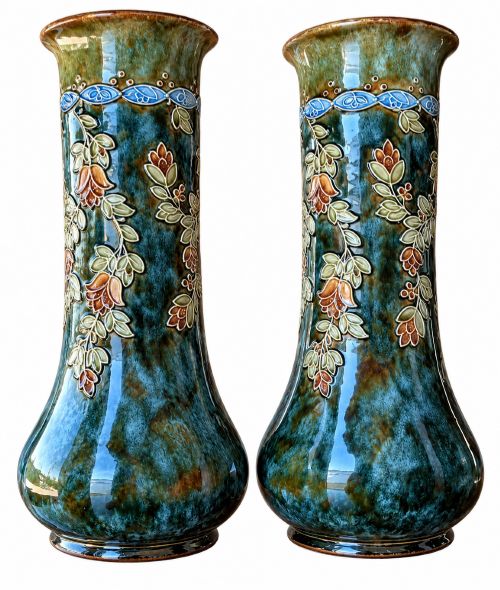
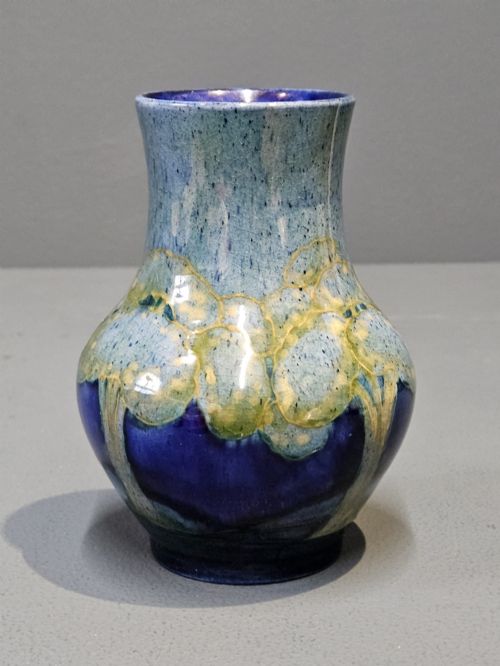
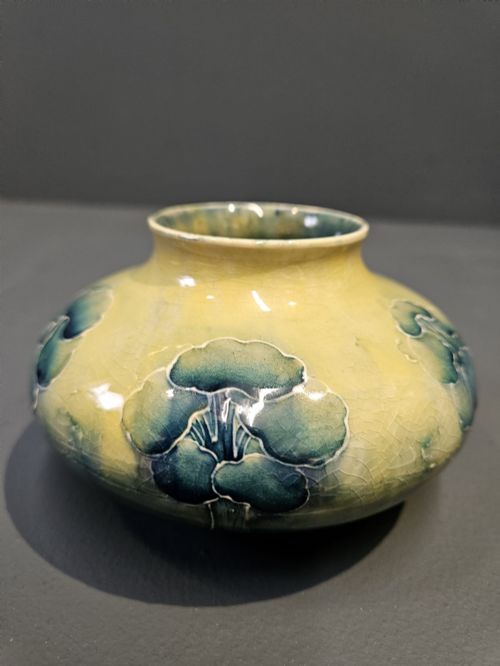
Blue green pottery encompasses a diverse selection of ceramic objects ranging from nineteenth-century studio vessels to eighteenth-century export wares and Victorian household items. When you search for blue green pottery, you encounter works defined by distinctive cobalt, teal, and celadon colour palettes applied across varied forms.
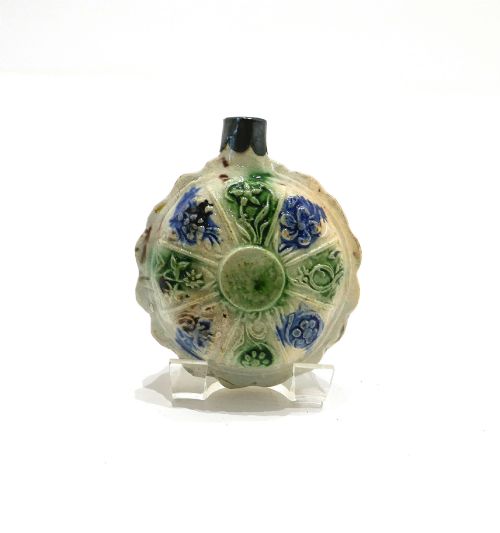
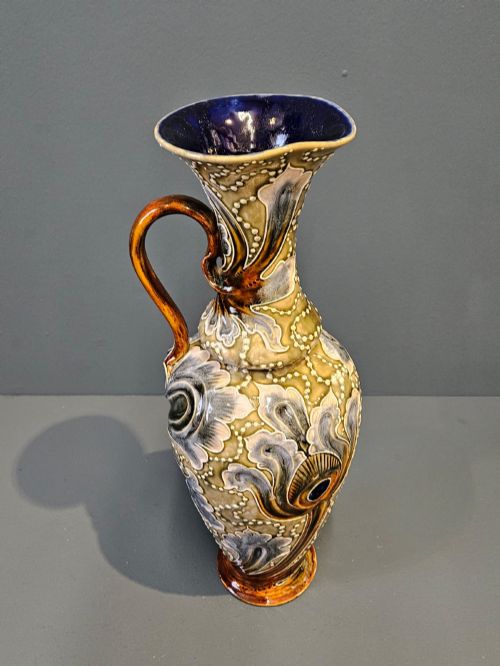
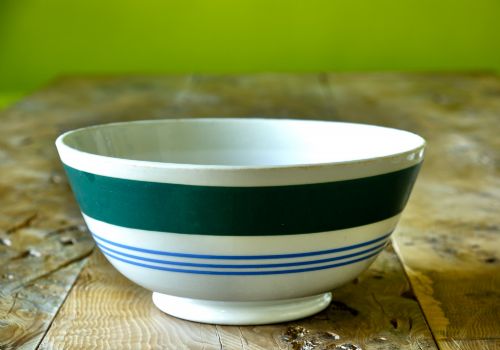
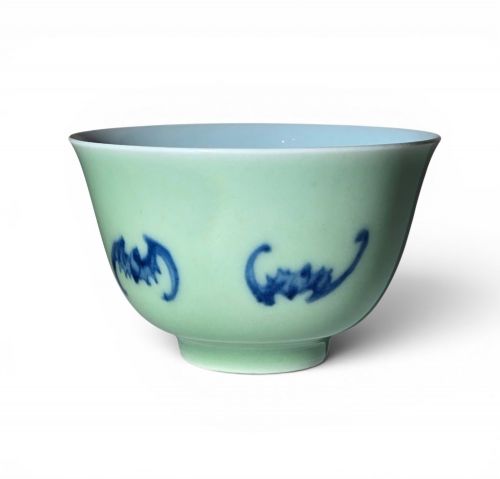
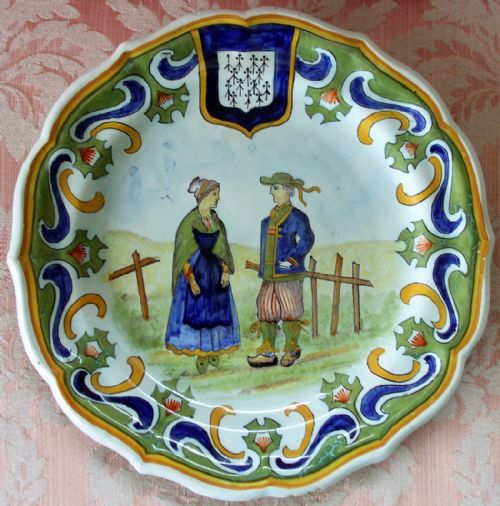
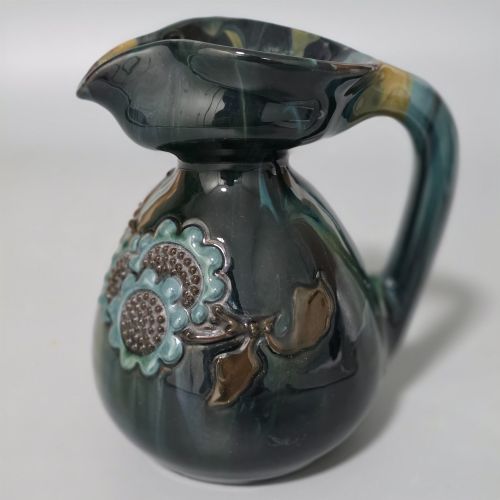
The pieces available span multiple centuries, incorporating seventeenth-century Chinese jars, Victorian majolica jugs, and early twentieth-century stoneware vases. Forms include ewers, mixing bowls, teaware, and decorative plates originating from English potteries, French workshops, and Asian kilns.
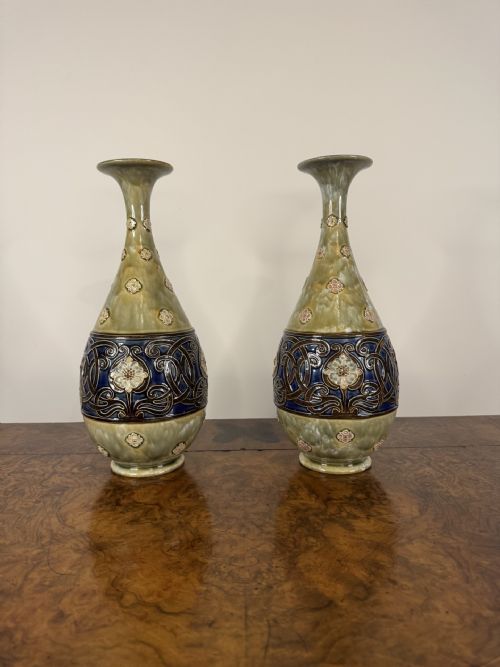
Art Nouveau and Arts and Crafts examples dominate the later periods, showcasing organic motifs and fluid glazes on stoneware and earthenware bodies. Earlier items present traditional underglaze painting and enamel decoration on porcelain and faience.
How they were made
Potters utilised earthenware, stoneware, and porcelain bodies, shaping them into baluster vases, jugs, and jars on the wheel or moulding them in sections. Glazes played a central role, with cobalt blue and copper green pigments interacting under high kiln temperatures to create variegated surfaces.
Makers applied decorative techniques including underglaze painting, raised enamel work, and majolica glazing to achieve depth of colour. Studio ceramists combined slip trailing and specialised firing methods to produce textured finishes on stoneware and earthenware.
Blue Green Pottery Retail Price Guide 2026
Typical asking prices for blue green pottery among the pieces listed under this phrase on Sellingantiques today, from the lower quarter to the upper quarter. They describe what is for sale here now, not the wider market.
Materials recorded across the inventory include porcelain, faience, enamel, and glazed ceramic alongside traditional stoneware.
What varies in quality
Quality rests upon the crispness of the moulded or thrown form and the depth achieved within the glaze application. Pieces decorated by named artists display superior control in hand-painted details and pigment interaction.
The sophistication of the palette and the complexity of the kiln effects distinguish standard production items from exceptional studio pieces. Potteries known for experimental glazes achieve subtle tonal gradations that elevate the visual weight of the vessel.
Royal Doulton Lambeth·Moorcroft·T G Green·Sir Edmund Elton·Joseph Holdcroft·Mason
The Blue Green Pottery Glossary
- Stoneware
- A dense, vitrified ceramic fired at high temperatures until non-porous. It accepts salt and alkaline glazes effectively.
- Majolica
- A type of earthenware coated with an opaque tin-lead glaze and painted with metallic oxides. Victorian examples often feature bright green and blue tones.
- Faience
- European tin-glazed earthenware produced in imitation of Chinese porcelain and refined pottery styles. French centres like Desvres specialised in this technique.
- Celadon
- A pale green or grey-green glaze associated with East Asian ceramics. It relies on iron oxide reacting in a reduction kiln atmosphere.
Blue Green Pottery: Frequently Asked Questions
How do I identify a Doulton Lambeth piece?
Doulton Lambeth pieces typically feature impressed factory marks and artist initials on the base. The bodies are constructed from heavy stoneware with distinctive salt-glazed or slip-decorated surfaces.
Many incorporate Art Nouveau or Victorian ornamentation in blue and green colourways, often combining incised patterns with applied beadwork.
What is the difference between majolica and faience?
Majolica uses a tin-opacified glaze applied to earthenware, decorated with metallic oxide colours that fuse during firing. Victorian makers frequently employed this method for highly modelled jugs and teaware.
Faience shares a similar tin-glaze foundation but historically refers to European tin-glazed pottery traditions, including French decorative dishes and plates.
How should I clean antique glazed ceramics?
Clean antique glazed ceramics gently using warm water and a mild, non-abrasive detergent where necessary. Avoid harsh scrubbing or soaking pieces with porous bodies or hairline cracks.
Dry the items thoroughly with a soft cloth to protect the glaze and prevent moisture absorption through any unglazed base areas.
Are studio pottery pieces marked?
Studio pottery items often bear painted monograms, incised signatures, or paper labels identifying the maker or kiln. Artists such as Sir Edmund Elton signed their works directly into the clay or glaze.
Unmarked pieces can sometimes be attributed through distinctive glaze chemistry, form, and stylistic traits associated with specific workshops.