

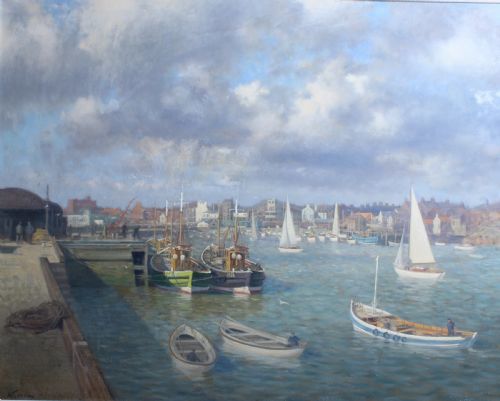


Blue Green Oil Painting
A blue green oil painting brings the shifting tones of coastal waters, riverbanks and leafy canopies straight onto the wall through rich, textured brushwork.
Blue Green Oil Painting
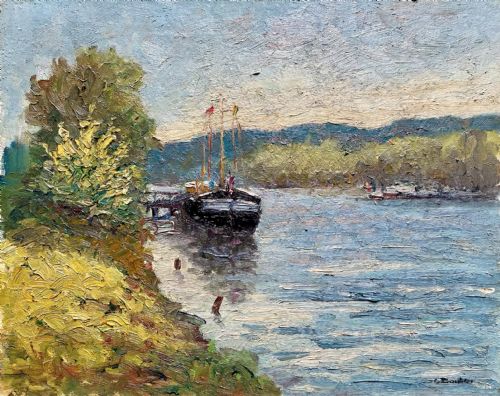
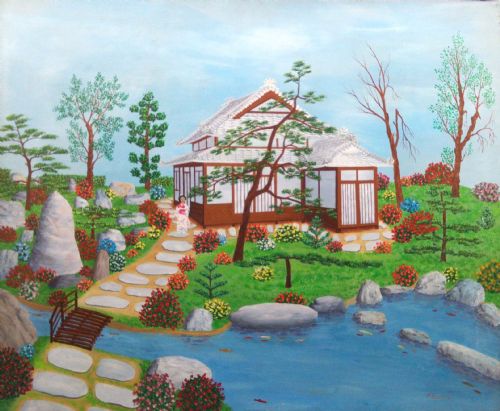
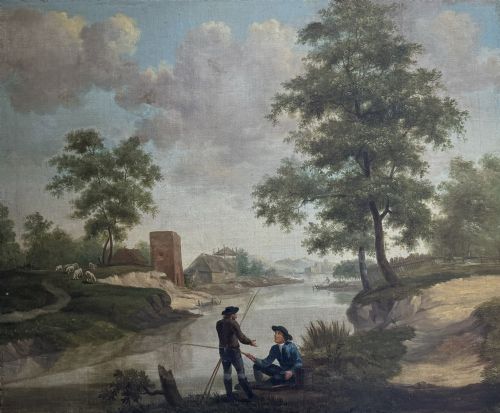
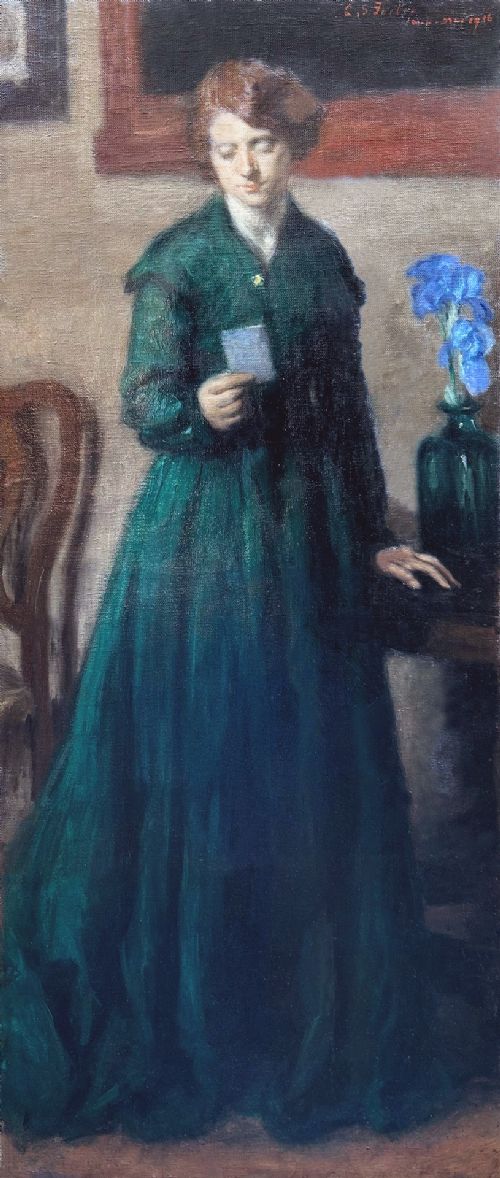
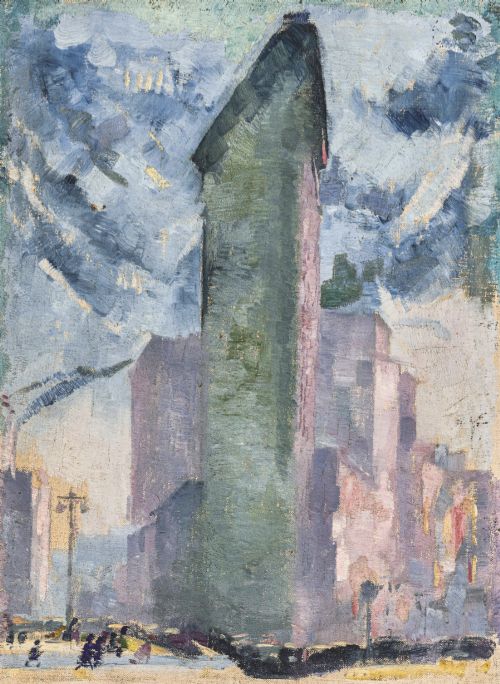
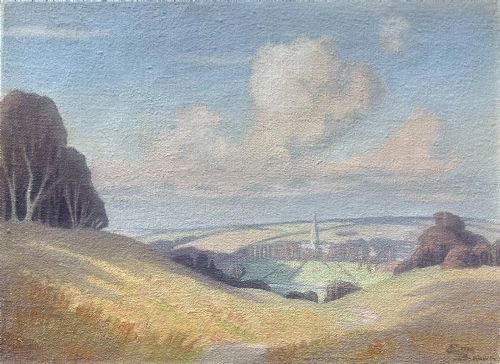
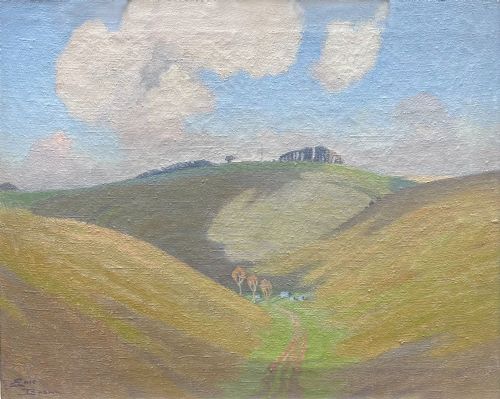
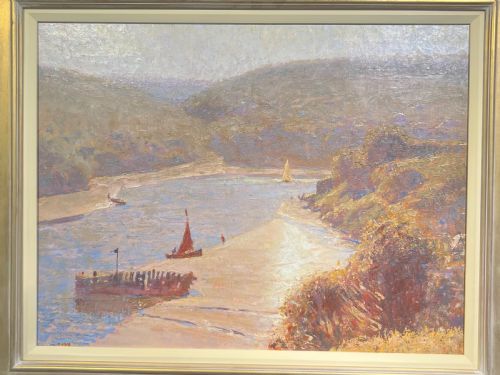
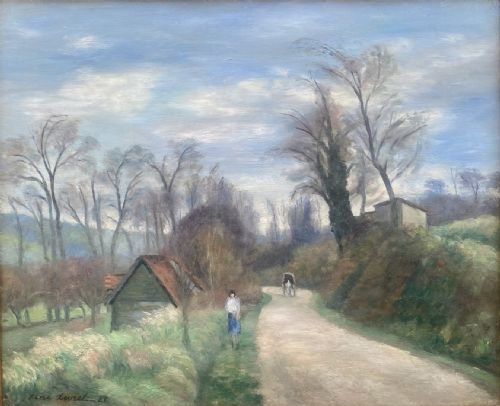
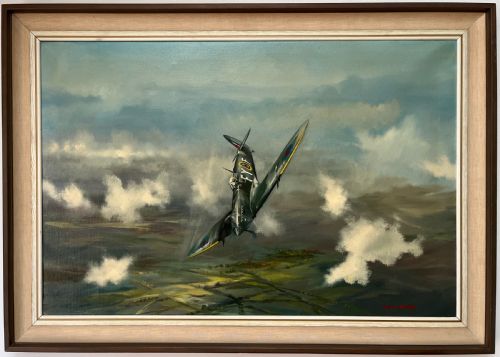
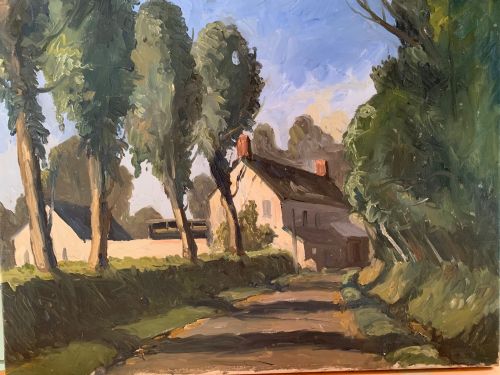
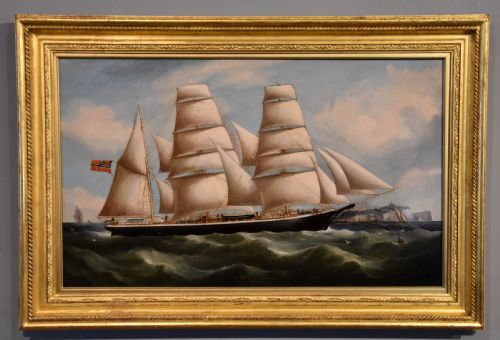
When searching for a blue green oil painting, collectors encounter a diverse selection of fine art ranging from late nineteenth-century landscapes to mid-century impressionist coastal scenes. These works capture natural environments through the varied application of oil paint, depicting subjects such as estuaries, harbours, rivers and rural valleys. The pieces on this page span several decades of artistic tradition, drawing heavily from British and French schools of impressionism and post-impressionism.
The most common formats in this category are framed canvas and wood panel paintings executed in landscape, seascape or rural compositions. Creators utilise the natural interplay of cerulean, turquoise and deep forest shades to evoke atmosphere, weather and light upon water and foliage. From quiet riverside conversations to brisk maritime views, these artworks serve as windows into historic landscapes rendered in oil.
Originating across Britain and continental Europe, these paintings reflect the shifting aesthetic movements of the nineteenth and twentieth centuries. Buyers find works attributed to named regional artists alongside pieces from the broader British and French schools. Each creation offers a distinct interpretation of the natural world through a concentrated palette of blue and green pigments.
How they were made
Artists create these works by applying oil paint predominantly onto stretched canvas or prepared wood panels, building the composition through layered brushstrokes. The physical support is often secured within a period frame, preserving the structural integrity of the textile or timber over decades of display.
Techniques range from smooth, blended application to heavier impasto work where thick ridges of pigment catch the light. Painters utilise the slow-drying nature of oil to blend marine blues and botanical greens directly on the surface, achieving subtle transitions in skies, water and distant hills.
Listings feature canvas and wood panel supports spanning the nineteenth century through the mid-twentieth century.
What varies in quality
The sophistication of the brushwork and the confidence of the mark-making dictate the visual strength of each piece. Superior works display a deft handling of light and shadow where the limited palette of blue and green pigments creates genuine spatial depth rather than flat colour.
The integration of the composition across the canvas surface separates accomplished academic or impressionist execution from simpler decorative studies. Stronger examples maintain structural tension within the landscape, ensuring that trees, shorelines and water currents hold the eye through considered placement and tonal balance.
Sidney A. Court·Alfred Wolmark·Eric Brown·Dion Pears·Hubert Wellington·Archibald Kay·Joseph Edward Hennah·Helen Layfield Bradley·Gabriel Dauchot·Cecil R. Doyly-John·William Lambert Bell·Frederick J. Knowles
The Blue Green Oil Painting Glossary
- Impasto
- Paint applied thickly to a canvas or panel, leaving visible brush or palette knife marks that stand proud of the surface. This technique adds tactile dimension and captures light dynamically across water and foliage.
- En plein air
- The practice of painting outdoors directly from the subject to capture transient natural light and atmosphere. It became central to impressionist landscape work during the nineteenth and twentieth centuries.
- Post-Impressionism
- An artistic movement following impressionism that rejected strict naturalism in favour of expressive forms, symbolic colour and heavier outlines. Artists in this tradition explored emotional depth through altered perspectives.
- Wood panel
- A rigid wooden support used instead of canvas for oil paintings, often found in older or smaller landscape studies. Panels provide a firm, flat surface that resists sagging over long periods.
- Provenance
- The documented history of ownership surrounding an artwork, establishing its authenticity and lineage. Clear records help verify the attribution of pieces to specific artists and eras.
Blue Green Oil Painting: Frequently Asked Questions
What subjects appear in these paintings?
The works predominantly feature natural outdoor scenes including coastal harbours, river valleys, estuaries and quiet country paths. Artists capture these environments under varying weather conditions and times of day.
marine views and rolling hills dominate the compositions, reflecting the deep engagement of impressionist painters with the natural landscape.
How do I care for an oil painting?
Keep the artwork away from direct sunlight and sudden fluctuations in room temperature to protect the canvas and the wooden frame. Dust the surface gently with a soft, dry cloth without applying pressure.
Avoid using water or chemical cleaners on the paint layer, and consult a professional conservator if the canvas requires cleaning or repair.
Are these paintings signed by the artists?
Many of the works feature visible signatures, monograms or inscriptions left by the painter on the front or reverse of the canvas. Some pieces also retain period framing with artist plaques or gallery labels.
Unsigned works are often attributed to specific regional schools based on stylistic analysis, technique and historical context.
What periods do these paintings represent?
The selection spans from the nineteenth century through the mid-twentieth century, encompassing Victorian academic painting and later modernist movements. Significant representation exists from the interwar decades and the post-war period.
Each era brings distinct approaches to colour application, perspective and framing style.