




Blue Glass Box
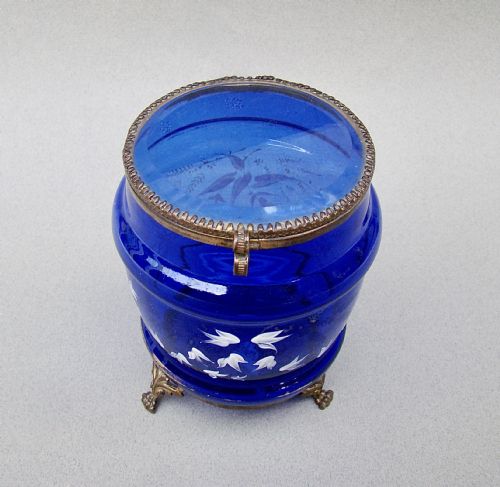
A blue glass box brings together rich colour and functional elegance, offering a practical place to store small treasures while adding a striking decorative accent to a dressing table.
Blue Glass Box
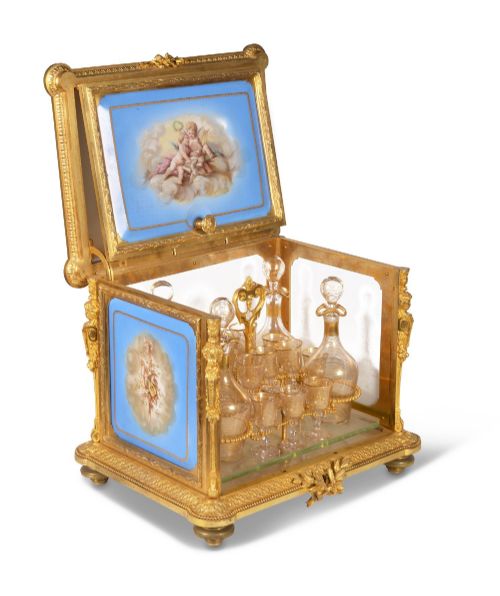
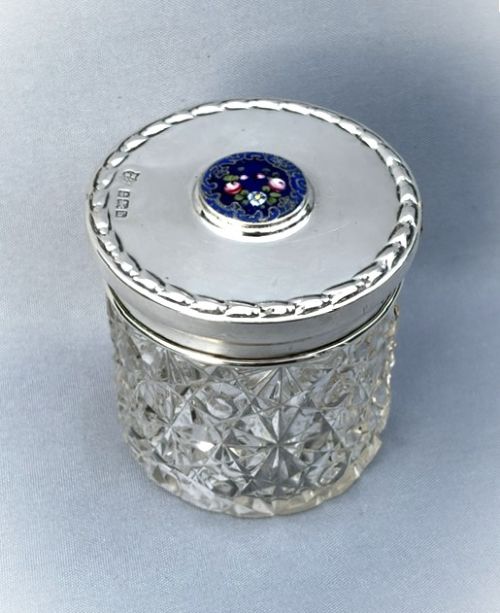
A blue glass box typically takes the form of a dressing table jar, powder box, trinket box, or vanity container designed for personal use. These items appear across periods spanning the nineteenth century through the Art Deco era, encompassing Victorian, Edwardian, and Regency examples alongside earlier French pieces.
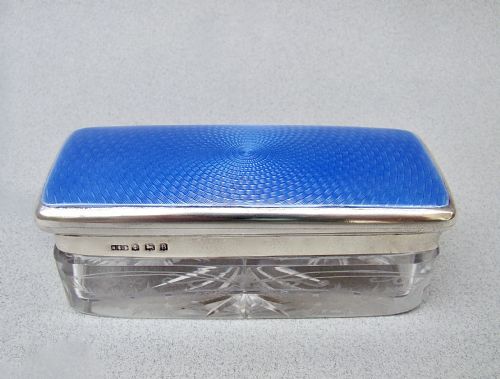
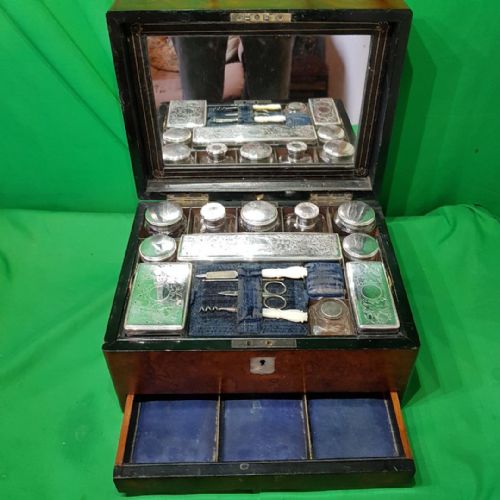
The most common variations on this page combine cobalt or Bristol blue glass with precious metals or decorative enamel. Buyers frequently encounter fitted dressing boxes, travelling sets, and lidded pots that integrate silver mounts, brass fittings, or intricate guilloche enamel work.
How they were made
Makers shaped the vessels using traditional glassblowing and cutting techniques, frequently employing rich Bristol blue or Clichy glass to achieve depth of colour. Metalwork components such as sterling silver, ormolu, and brass were cast, chased, or hallmarked to form secure lids, collars, and mounts.
Surface decoration often involved applied enamel work, including guilloche patterns beneath translucent layers, or intricate silver lids fitted snugly to glass bodies. Wooden carcases in burr walnut, mahogany, and rosewood additionally provided structural support for fitted vanity and dressing cases.
Blue Glass Box Retail Price Guide 2026
Typical asking prices for blue glass box among the pieces listed under this phrase on Sellingantiques today, from the lower quarter to the upper quarter. They describe what is for sale here now, not the wider market.
Some nineteenth-century French ladies travelled with entire fitted wooden cases lined in velvet, ensuring their blue glass jars stayed safe on bumpy carriage rides.
What varies in quality
The distinction between standard utility items and finer examples rests upon the precision of the metal mounts and the complexity of the glass body. Heavy cut glass combined with fully hallmarked sterling silver or detailed ormolu indicates superior craftsmanship.
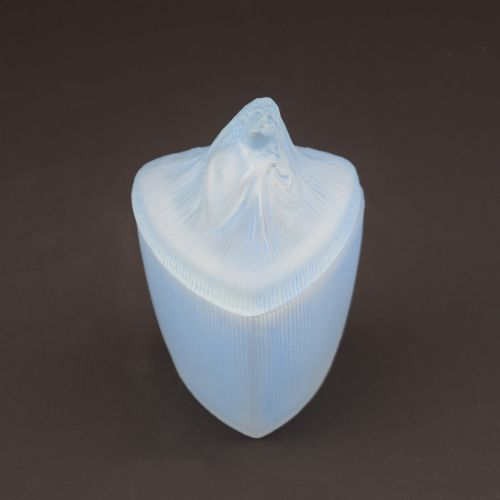
Artistic collaboration elevates certain pieces, particularly where renowned designers or specialist makers contributed marked silver lids or moulded glass elements. The crispness of guilloche enamel and the integrity of fitted interior compartments further separate ordinary pieces from exceptional works.
Henry Clifford Davis·Rene Lalique·Goldsmith & Silversmith's
The Blue Glass Box Glossary
- Guilloche enamel
- A decorative technique where an engraved metal surface is covered with transparent enamel, allowing geometric patterns to show through. This method is frequently found on the lids of twentieth-century powder jars.
- Ormolu
- Gilded bronze or brass mounts applied to decorative objects and furniture, popular in nineteenth-century French pieces. It provides a rich golden contrast against deep blue glass.
- Vanity jar
- A small lidded container used on a dressing table for cosmetics, pins, or trinkets. These items often feature glass bodies paired with silver or enamel covers.
- Bristol blue glass
- A deep, vibrant cobalt blue glass historically produced in Bristol during the eighteenth and nineteenth centuries. It remains characteristic of many decorative dressing boxes from that period.
Blue Glass Box: Frequently Asked Questions
What were blue glass boxes used for?
These containers served primarily on dressing tables and in travel cases to hold powders, creams, pins, and small pieces of jewellery. Their enclosed design kept delicate personal items protected from dust and light.
Over time, they evolved from practical dressing accessories into decorative display objects for the home, valued as much for their vibrant colour as their utility.
How do I identify an Art Deco blue glass box?
Art Deco examples typically display geometric lines, streamlined metal mounts, and machine-turned enamel patterns on the lids. They frequently date from the 1920s and 1930s and often incorporate moulded glass or stark colour contrasts.
In contrast, nineteenth-century pieces tend to feature ornate ormolu mounts, cut glass bodies, and hand-painted or simpler silver lids characteristic of the Victorian and Edwardian periods.
How should I care for an antique glass box with silver?
Maintain the glass body by cleaning it gently with a soft cloth and mild, lukewarm water, avoiding harsh chemical cleaners that might damage old surfaces. Keep silver mounts polished with a dedicated cloth while taking care not to let polish residue contact the glass or enamel.
Store the box away from direct sunlight and extreme temperature changes to protect any delicate interior velvet linings and enamel work.