



Blue Gilt Ceramic Vases
Blue gilt ceramic vases combine rich cobalt ground colours with luminous gilding, bringing decorative presence and historical craftsmanship to a room.
Blue Gilt Ceramic Vases
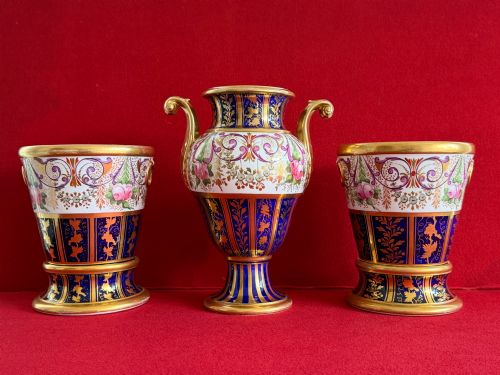
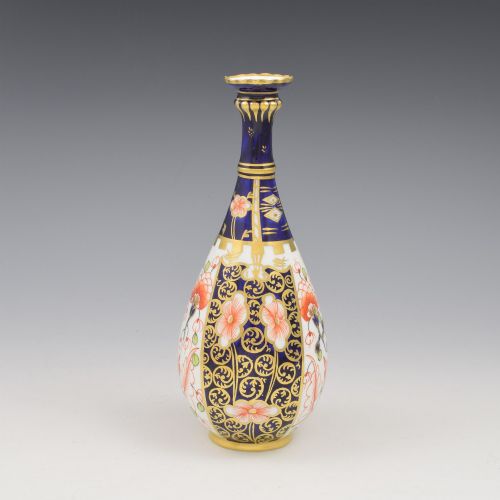
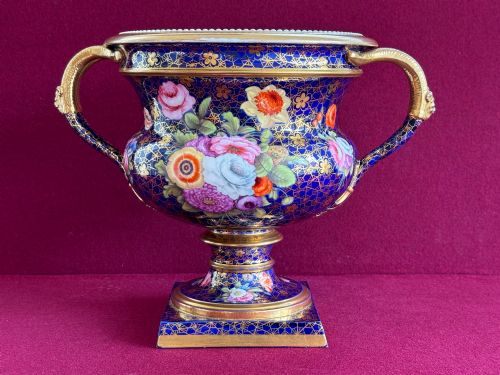
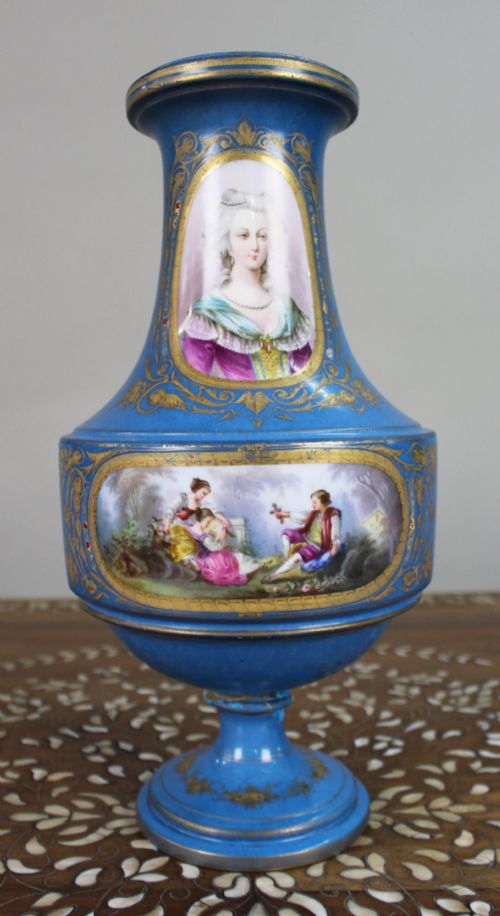
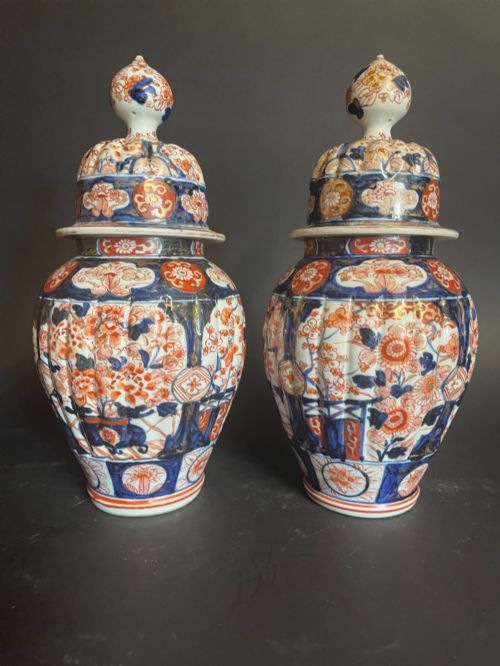
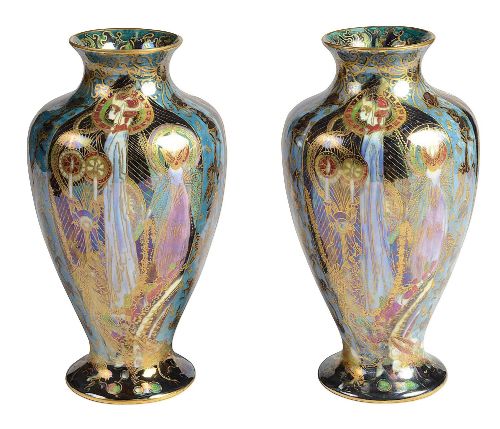
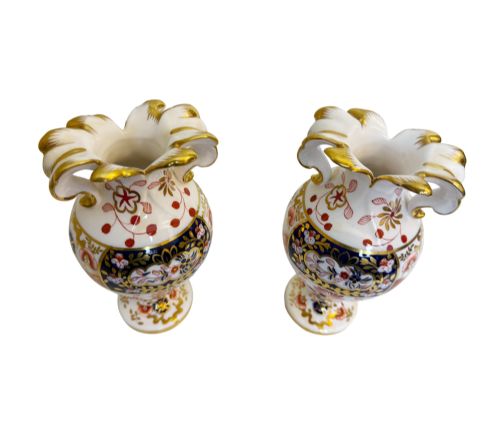
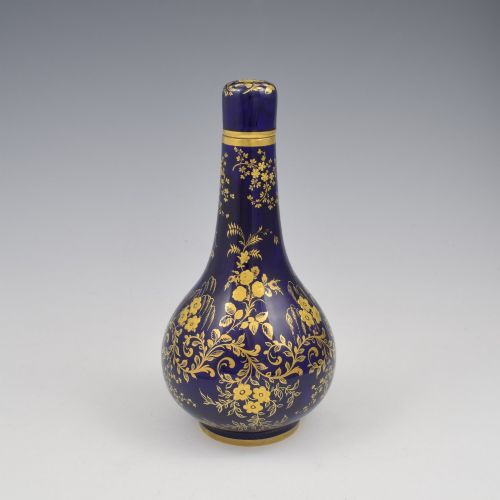
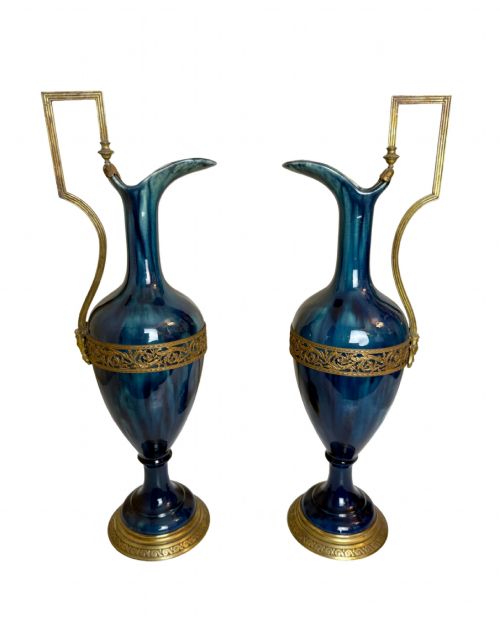
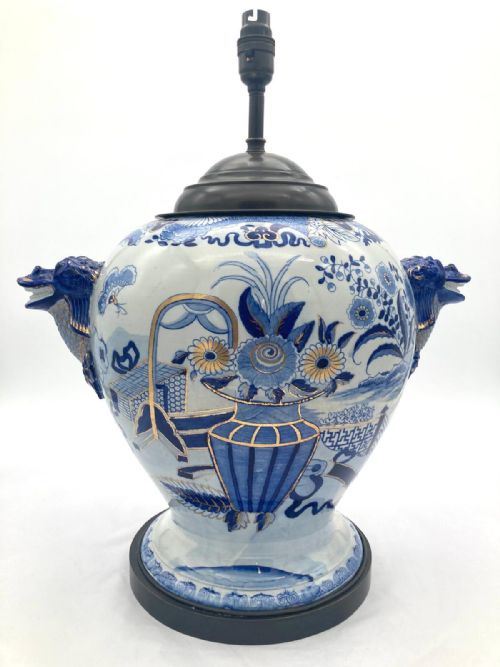
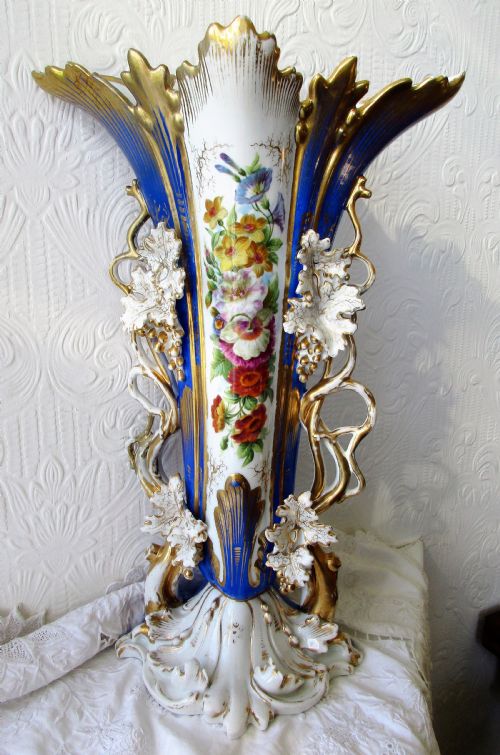
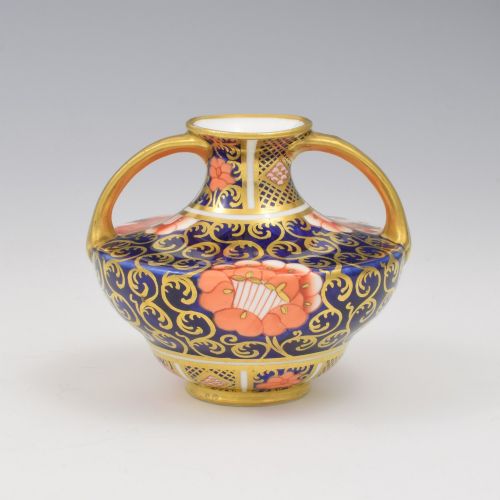
Blue gilt ceramic vases encompass pieces produced across the eighteenth, nineteenth, and early twentieth centuries by notable English, French, and Japanese kilns. When you examine blue gilt ceramic vases on this page, you encounter vessels ranging from campagna urns and baluster shapes to lidded jars and table lamps. The selection spans earthenware, ironstone, and fine porcelain, capturing both European revival styles and Meiji period Japanese craftsmanship.
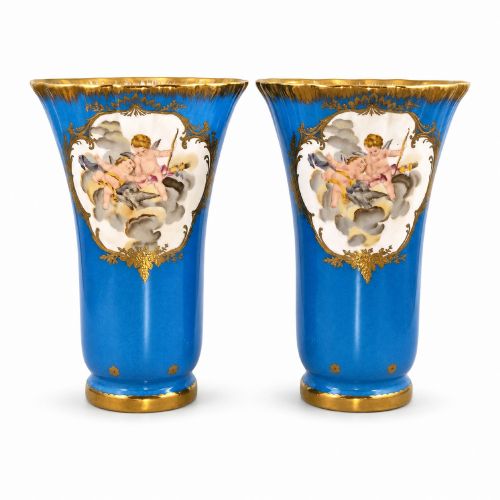
The English examples draw upon traditions established by factories such as Spode, Coalport, and Derby, frequently employing rich cobalt grounds paired with intricate gold leaf or gilding. French works lean toward Sèvres-style bleu céleste and Old Paris decorative vocabularies, while Japanese Satsuma and Imari pieces introduce cobalt grounds accented with moriage and heavy gilt panels.
How they were made
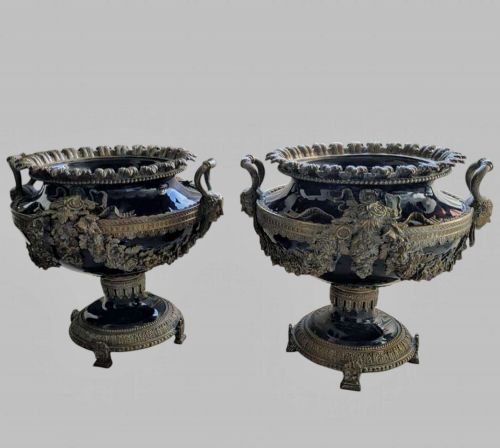
The foundation of these vessels relies on ceramic bodies shaped from porcelain, earthenware, or ironstone, which were then fired before receiving underglaze blue or ground colours such as mazarine and powder blue. Artisans applied gold leaf, gilding, or ormolu mounts to highlight handles, rims, and pictorial panels.
Hand-painting served as the primary method for adding figurative scenes, floral motifs, or exotic birds onto the blue and gilt grounds. Certain Japanese Satsuma pieces incorporated moriage technique, building up raised clay details beneath the gilding to create textured surfaces.
Blue Gilt Ceramic Vases Retail Price Guide 2026
Typical asking prices for blue gilt ceramic vases among the pieces listed under this phrase on Sellingantiques today, from the lower quarter to the upper quarter. They describe what is for sale here now, not the wider market.
Napoleon Bonaparte inspires nineteenth-century lidded vases, proving that even emperors appreciated a well-gilded ceramic silhouette on the mantelpiece.
What varies in quality
The standard of a piece rests upon the precision of the hand-painted decoration and the depth of the cobalt ground colour. Superior examples display finely rendered figures, landscapes, or botanical studies executed by named artists, whereas simpler items rely on standard transfer-printing.
The application and preservation of the gold leaf or gilding distinguish finer productions from standard wares. Heavy, burnished gilding that remains intact across intricate mouldings indicates a higher grade of manufacture and careful historical handling.
Wedgwood·Spode·Royal Crown Derby·Chamberlain Worcester·Royal Doulton·Coalport·Samuel Alcock·Kinkozan
The Blue Gilt Ceramic Vases Glossary
- Bleu Céleste
- A bright sky-blue ceramic ground colour famously developed at the Sèvres porcelain manufactory. It provides a striking contrast to heavy gilding.
- Moriage
- A Japanese ceramic technique where slip is piped onto the surface in dots or lines to create raised relief patterns, often highlighted with gold.
- Campagna Urn
- A classical bell-shaped vessel with a flared rim and foot, popular in Regency and Victorian neoclassical interior decoration.
- Garniture Set
- A matching set of three or more decorative vases and jars designed to be displayed together on a mantelpiece or sideboard.
- Imari
- A style of Japanese porcelain featuring a palette of underglaze blue, iron red, and abundant gold, widely emulated by European potteries.
Blue Gilt Ceramic Vases: Frequently Asked Questions
How do I clean blue gilt ceramic vases?
Dust these vessels gently with a soft, dry brush to protect the delicate gilding and hand-painted surfaces. Avoid using water, abrasives, or chemical cleaners, which can permanently damage the gold leaf and enamel.
For pieces converted into table lamps, ensure the electrical components remain completely dry during any maintenance. Professional dusting preserves the historic finish without risking abrasion.
How can I tell English from Japanese pieces?
English examples typically utilise European porcelain, ironstone, or earthenware bodies decorated with neoclassical motifs, transfer-prints, or Sèvres-inspired bird and flower scenes. Their forms reflect Georgian, Regency, and Victorian design vocabulary.
Japanese Satsuma and Imari works feature distinct earthenware or porcelain bodies with characteristic crackle glazes, rich cobalt cobalt grounds, and dense Japanese iconography. Maker signatures and artisan marks are frequently found on the base.
What does Sèvres style mean on an English vase?
The term indicates that an English factory emulated the distinctive decorative style, colour palettes, and luxurious gilding associated with the French Sèvres royal manufactory. Eighteenth and nineteenth-century English potters frequently adopted these French aesthetics to appeal to wealthy clientele.
These pieces combine English ceramic bodies with continental design elements like bleu céleste grounds and Watteau-style pastoral scenes. They represent a cross-cultural dialogue in European ceramic artistry.