



Blue Flower Painting
Blue flower painting brings together centuries of floral studies on canvas, porcelain, and paper.
Blue Flower Painting
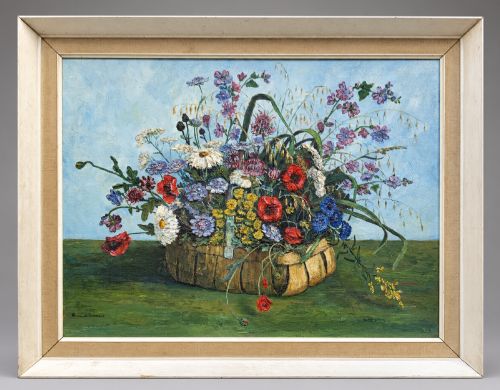
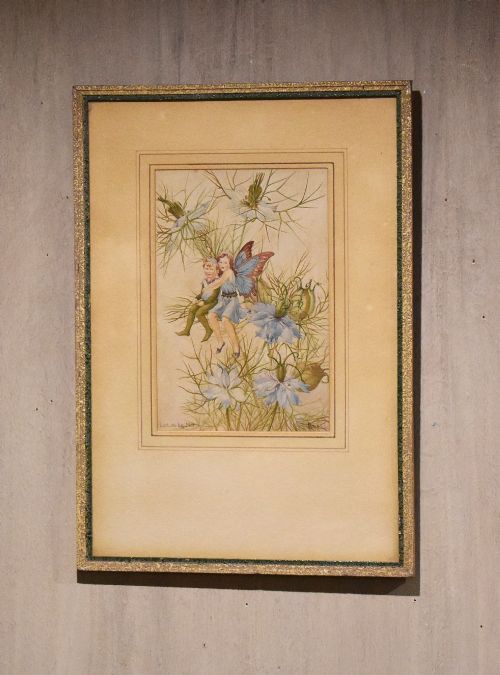
When a buyer searches for blue flower painting, they encounter a diverse selection of floral works spanning watercolour, oil, and gouache alongside decorated ceramics. These pieces range from delicate botanical watercolours on paper to robust oil paintings on canvas depicting garden scenes and still lifes.
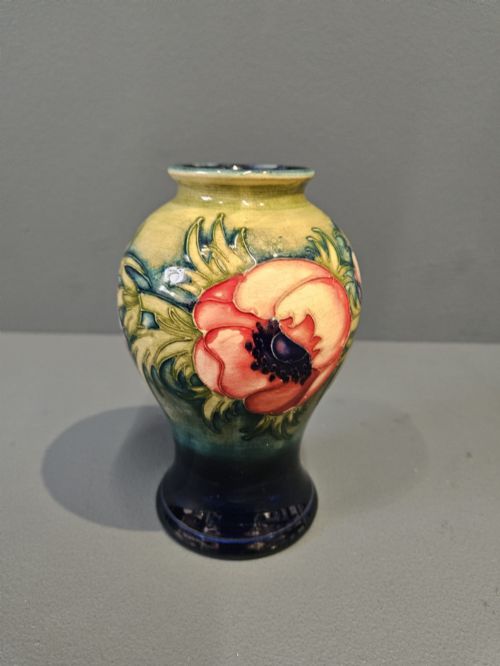
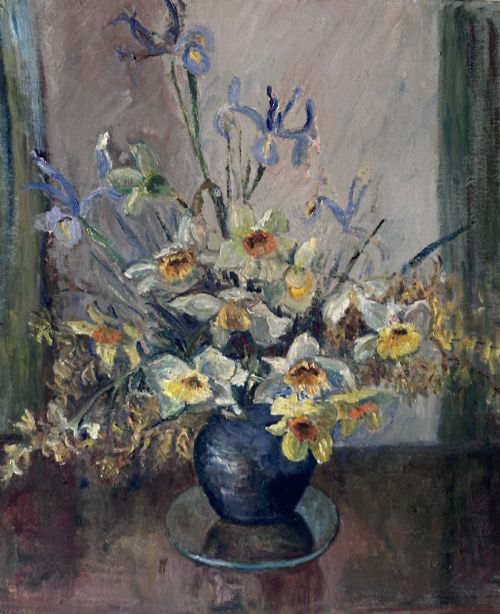
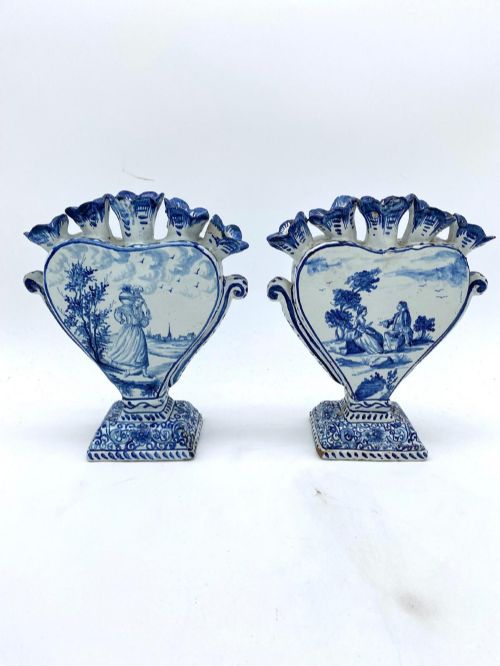
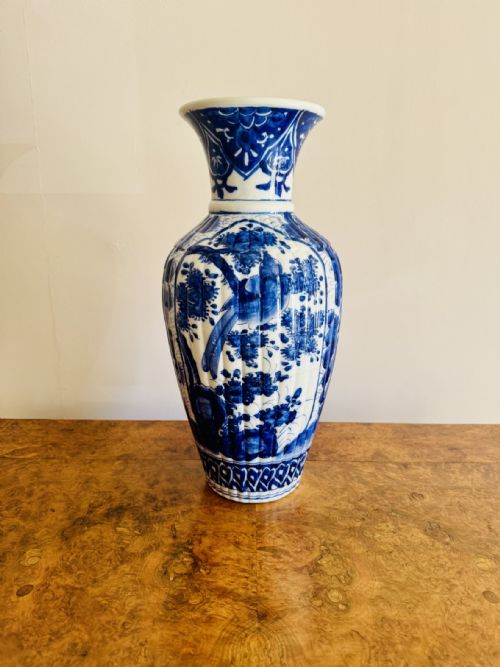
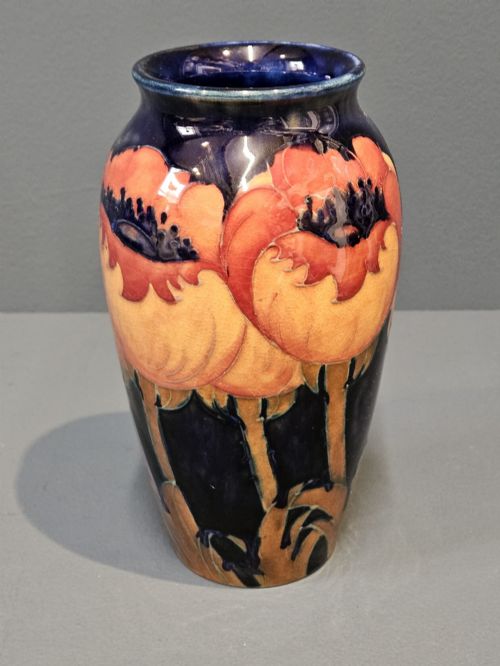
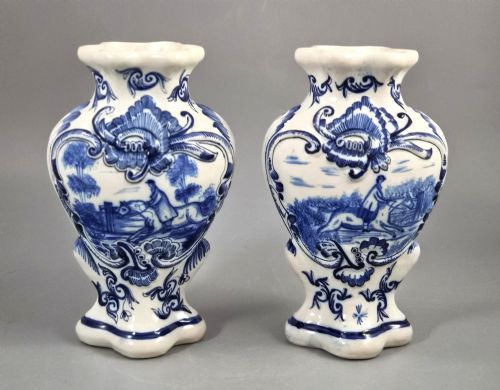
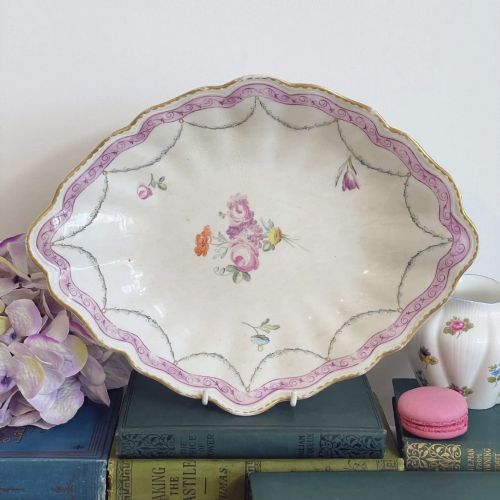
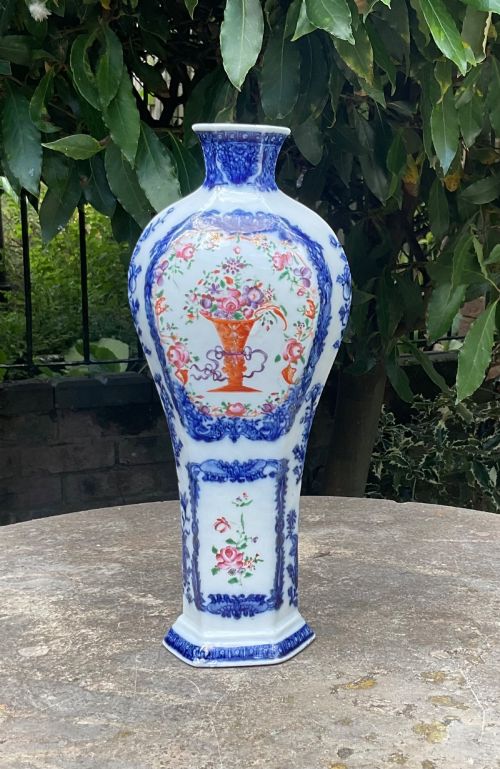
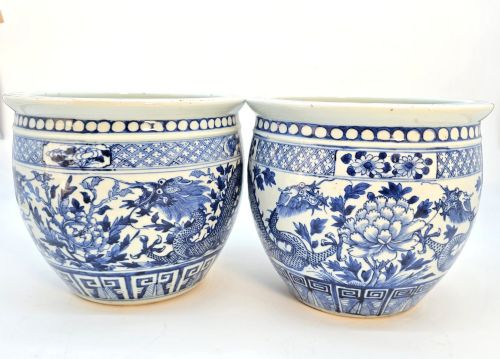
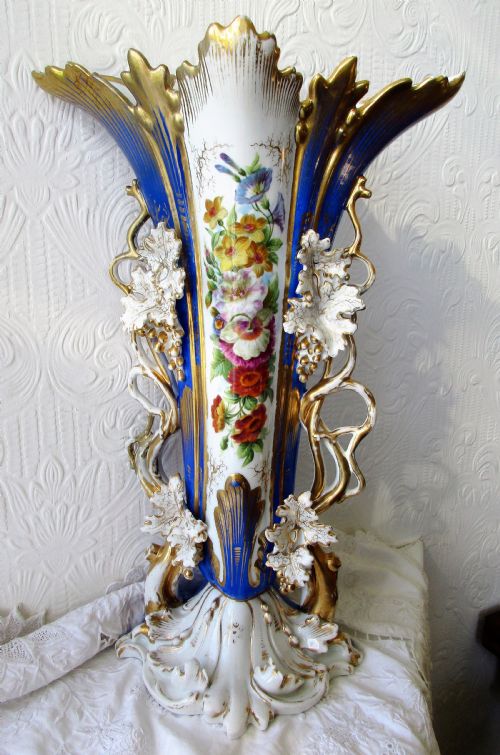
The objects on this page bridge multiple eras, stretching from eighteenth-century porcelain vessels adorned with cobalt floral motifs to mid-century impressionist compositions. Buyers find both framed works on paper and three-dimensional ceramic forms where floral ornamentation takes centre stage.
Materials and construction
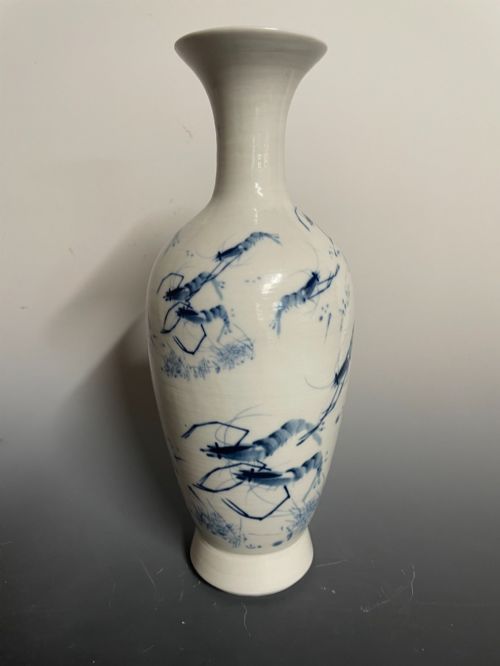
The physical items combine traditional painterly mediums such as oil, watercolour, tempera, and gouache applied to canvas or paper. Ceramic pieces utilise porcelain, earthenware, and pottery bodies shaped into vases, dishes, and jardinières.
Makers decorated ceramic surfaces using underglaze blue, enamel pigments, and gold leaf, often combining hand-painting with moulded relief. Canvases and paper supports showcase brushwork executed across several distinct aesthetic movements from the eighteenth to the mid-twentieth century.
Blue Flower Painting Retail Price Guide 2026
Typical asking prices for blue flower painting among the pieces listed under this phrase on Sellingantiques today, from the lower quarter to the upper quarter. They describe what is for sale here now, not the wider market.
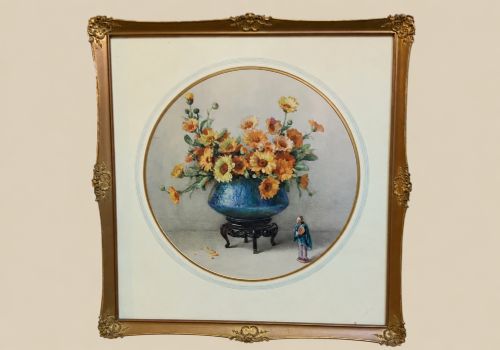
Several artists captured quiet indoor moments with flowers, inviting viewers to peek at water lilies and garden blooms frozen in time.
Distinctions in quality
Quality rests upon the execution of the brushwork and the clarity of the composition, whether on a painted canvas or a glazed ceramic vessel. Superior examples display confident handling of pigment and harmonious balance between the floral subject and its ground.
The integration of the decorative motif into the form dictates the standing of ceramic pieces. Skilled execution in both the pigment application and the underlying material separates standard utilitarian wares from accomplished artistic creations.
Marjorie L Davies·Moorcroft·Spode·Fourmaintraux Courquin·Owen Bowen·George Tye·Kershaw Schofield·Charlotte Rhead·Edith Barrow·Grace Hastie·Phyllis I Hibbert·Stuart Armfield
The Blue Flower Painting Glossary
- Imari
- A style of Japanese porcelain decorated in underglaze blue, iron red, and gold, frequently featuring floral patterns.
- Jardiniere
- A large ornamental pot or bowl designed to hold growing plants or flowers.
- Gouache
- An opaque water-based paint that dries to a matte finish, used frequently for botanical and still life studies.
- Polychrome
- Decorated in multiple colours, often seen on eighteenth-century ceramic serving dishes and vases.
- Spill vase
- A small upright vessel traditionally placed on mantelpieces to hold thin wooden spills used for lighting fires.
Blue Flower Painting: Frequently Asked Questions
What periods do these pieces represent?
The selection covers a broad historical timeline, beginning with eighteenth-century porcelain and ceramics and extending through Victorian and Edwardian items into mid-century paintings from the nineteen-fifties.
Items reflect distinct stylistic movements such as Art Deco, Regency, and Impressionism alongside traditional East Asian export wares.
How should I display a ceramic vase?
Ceramic vessels and jardinières function effectively as standalone decorative objects on mantelpieces, sideboards, or tables where their surface patterns remain visible.
Many pieces are robust enough to hold floral arrangements or plants, though collectors often display them empty to preserve delicate enamel and glaze surfaces.
Are the paintings on paper framed?
Watercolours, gouaches, and sketches on paper typically arrive mounted behind glass within protective frames that suit their respective historical periods.
Framing helps shield fragile paper supports from environmental moisture and light exposure while preparing the artwork for immediate wall hanging.
How do I care for antique porcelain?
Antique porcelain and pottery require gentle handling and should be kept away from direct sunlight and areas prone to rapid temperature shifts.
Dusting with a dry, soft cloth is usually sufficient for maintenance, avoiding abrasive cleaning agents that could damage surface glazes.