





Blue Flatweave Textile
A blue flatweave textile brings tribal craftsmanship into a room, offering geometric design and vegetable-dyed wool from nineteenth-century nomadic workshops.
Blue Flatweave Textile
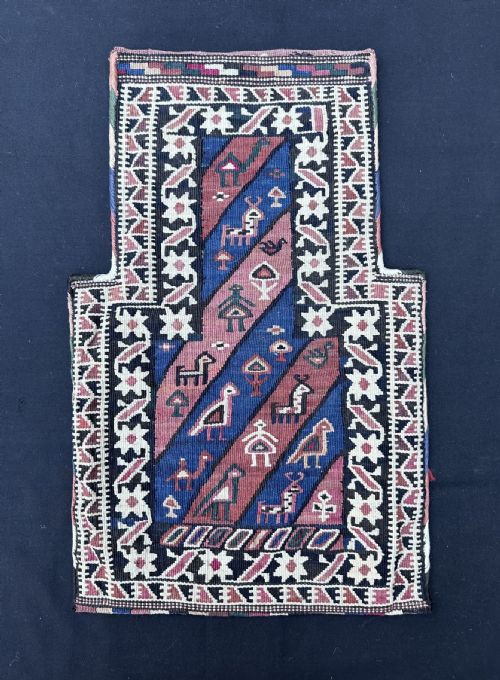
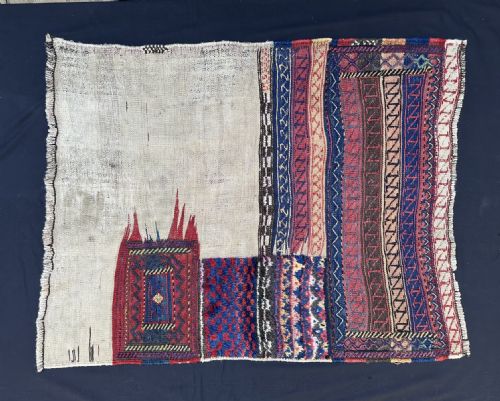
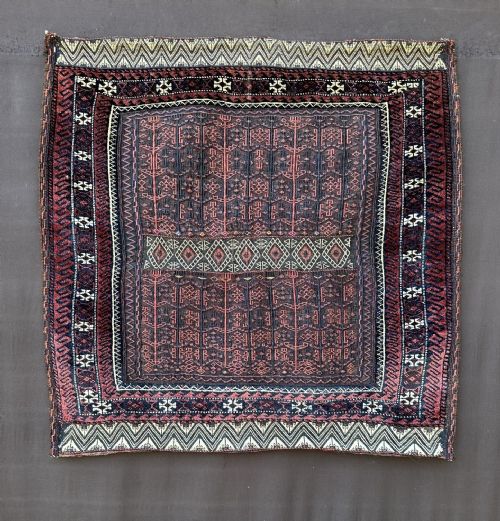
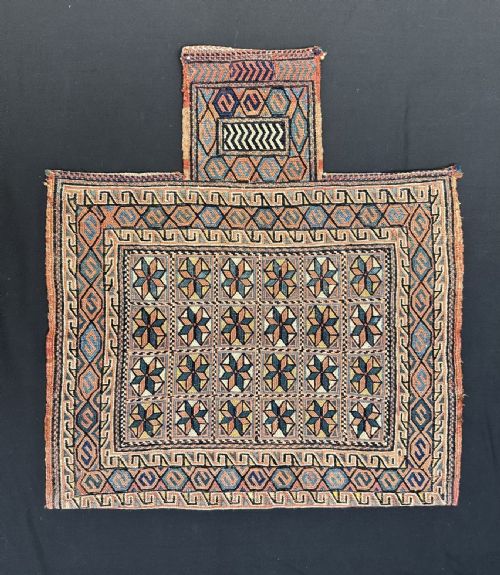
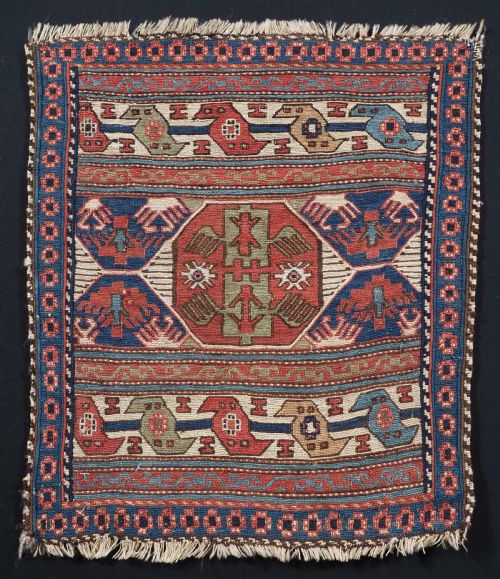
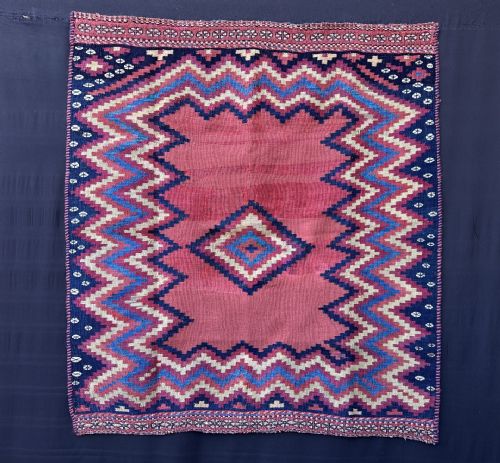
When someone searches for a blue flatweave textile, they encounter utilitarian objects made by nomadic groups across Persia, Afghanistan, and the Caucasus. These pieces include salt bags, bread sofreh, saddlebags, and kilim panels created during the late nineteenth and early twentieth centuries.
The items meeting buyers on this page span tribal origins such as Shahsavan, Afshar, Bakhtiari, and Uzbek groups. Each regional weaving tradition employs specific structural methods, resulting in flat surfaces without pile.
Nomadic weavers produced these textiles for daily use within tribal camps rather than for export. Surviving examples reflect the practical needs of rural life, shaped by specific regional aesthetics and materials.
Assessing quality in nomadic flatweaves
Quality rests upon the tightness of the weave and the precision of the geometric motifs. Finer structures display greater control over supplementary weft wrapping, creating crisp lines in bird and dragon designs.
The depth and consistency of natural indigo dye batches dictate visual appeal. Superior examples show subtle abrash variations in blue tones that indicate traditional dyeing methods rather than chemical uniformity.
Blue Flatweave Textile Retail Price Guide 2026
Typical asking prices for blue flatweave textile among the pieces listed under this phrase on Sellingantiques today, from the lower quarter to the upper quarter. They describe what is for sale here now, not the wider market.
Several nineteenth-century bag faces preserve stylized birds and dragons woven entirely from memory by nomadic weavers navigating mountain passes.
The Blue Flatweave Textile Glossary
- Sofreh
- A dining or bread cloth used by nomadic tribes for meals and food preparation. These textiles often feature central field patterns flanked by border motifs.
- Soumac
- A supplementary weft wrapping technique that produces a textured surface resembling embroidery on the front and loose floats on the reverse. This method adds structural strength to bags and panels.
- Kilim
- A flatweave textile constructed by tightly interlocking warp and weft threads without creating a pile. This technique produces lightweight coverings and containers.
- Mafrash
- A large rectangular storage bag used by nomadic groups for bedding and household goods during migration. Surviving panels often display intricate Shahsavan designs.
- Abrash
- Variations in colour tone caused by uneven absorption of natural dye in batches of yarn. This characteristic signals traditional dyeing processes.
Blue Flatweave Textile: Frequently Asked Questions
What is a sofreh used for?
A sofreh served as an eating cloth or bread cloth placed on the ground during nomadic meals. Families gathered around these textiles for daily dining.
They also functioned during food preparation, keeping dough clean from dust in pastoral settings.
How do I care for a flatweave textile?
Gentle vacuuming without a rotating brush removes surface dust without damaging the wool structure. Keep textiles out of direct sunlight to protect natural indigo dyes from fading.
Professional specialist cleaning is recommended for heavier maintenance when required.
Where were these tribal pieces made?
Weavers produced these textiles across Persia, the Caucasus, and Central Asian regions including Uzbekistan and Afghanistan. Nomadic confederations such as the Shahsavan and Afshar created distinct regional styles.
Tribal groups worked within specific geographical valleys and provincial borders.
How are bag faces different from full bags?
Bag faces represent the decorative front panels removed from complete utilitarian saddlebags or storage containers over time. They were often preserved as decorative wall hangings.
Complete pieces retain their plain weave backs and original construction context.