




Blue Enamel Wall Plaque
A blue enamel wall plaque brings durable colour and striking graphic impact to a room, ranging from Japanese cloisonné chargers to industrial advertising signs.
Blue Enamel Wall Plaque
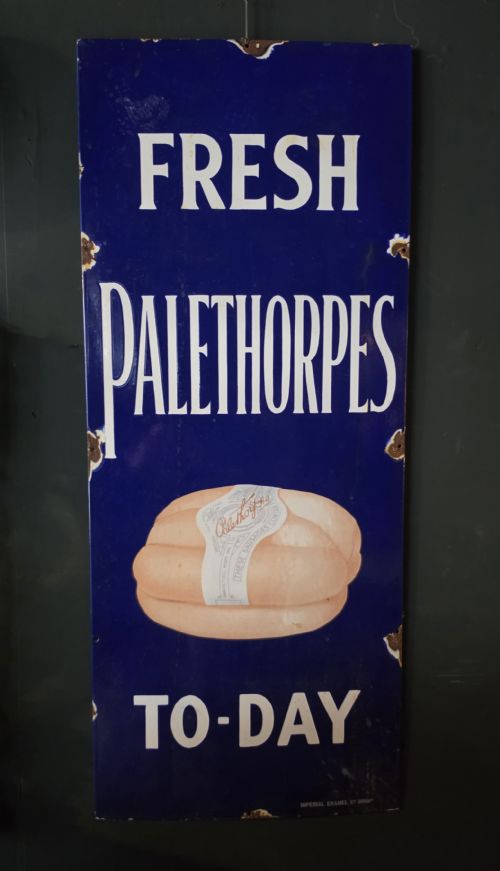
When searching for a blue enamel wall plaque, collectors encounter a diverse group of objects spanning decorative Japanese chargers and utilitarian industrial signage. The selection includes vibrant cloisonné plates depicting birds, dragons, and koi fish alongside commercial advertising signs for sausages, starch, and public telephones.
These items originate from various periods including the Edo and Meiji eras in Japan, alongside nineteenth and early twentieth century European production. Forms vary widely from large ornamental display dishes to flat sheet metal signs designed for public or commercial display.
How they were made
Many of the Japanese pieces utilise fine copper or brass bases decorated with vitreous cloisonné enamel, where delicate metal wires form cells that hold coloured glass pastes before firing. Industrial signs rely on iron or copper panels fused with robust enamel coatings to withstand outdoor exposure.
Techniques range from meticulous hand-applied cloisonné work depicting chrysanthemums and samurai figures to mass-produced commercial stencilling for early twentieth-century advertising.
Blue Enamel Wall Plaque Retail Price Guide 2026
Typical asking prices for blue enamel wall plaque among the pieces listed under this phrase on Sellingantiques today, from the lower quarter to the upper quarter. They describe what is for sale here now, not the wider market.
Several plates depict leaping koi fish alongside wandering frogs and samurai demons.
What varies in quality
Quality in these objects rests upon the precision of the workmanship and the complexity of the design. Finer Japanese cloisonné displays intricate wirework and detailed pictorial subjects such as koi, dragons, and birds, whereas commercial signs depend on crisp typography and well-preserved surface gloss.
The Blue Enamel Wall Plaque Glossary
- Cloisonne Enamel
- A decorative metalwork technique where thin metal wires are soldered to a base to create compartments filled with enamel paste. These compartments are then fired and polished to a smooth finish.
- Vitreous Enamel
- A material made by fusing powdered glass to a substrate by firing, usually between seven hundred and nine hundred degrees Celsius. The resulting surface is durable, glossy, and resistant to fading.
- Charger
- A large ornamental plate or dish primarily intended for display on a wall or sideboard rather than for serving food. These pieces often feature elaborate pictorial or geometric motifs.
- Pictorial Sign
- An advertising or public notice sign featuring illustrated graphics alongside lettering. These items served commercial or institutional purposes in industrial settings.
Blue Enamel Wall Plaque: Frequently Asked Questions
How do I hang a heavy charger?
Large chargers require secure wall fixings designed to support substantial weight without slipping. Adjustable brass or coated wire display hangers distribute the load evenly across the rim of the piece.
Ensure the fixing is anchored directly into solid masonry or a wall stud rather than relying solely on plasterboard.
What is the difference between cloisonne and standard enamel?
Standard enamel involves fusing a smooth layer of glass paste directly onto a metal surface such as iron or copper. This method appears frequently on industrial and advertising signs.
Cloisonné involves applying fine metal wires to create distinct cells on the metal base, allowing for intricate multicoloured patterns before firing.
How do I clean an antique enamel sign?
Enamel surfaces tolerate gentle cleaning with a soft damp cloth and mild soap to remove accumulated dust and grime. Avoid abrasive scouring pads or harsh chemical cleaners that can dull the glossy finish.
Dry the metal edges thoroughly afterwards to prevent any corrosion on exposed iron or copper sections.
Are advertising signs and decorative chargers from the same era?
The pieces span multiple periods, with Japanese decorative chargers largely originating from the nineteenth-century Edo and Meiji eras. Industrial and advertising signs generally date from the late nineteenth and early twentieth centuries.
Both categories utilise fused enamel techniques but serve entirely different domestic and commercial functions.