

Blue Earthenware Jug
A blue earthenware jug brings functional craft and cobalt decoration together on the table, offering both practical service and centuries of ceramic tradition.
Blue Earthenware Jug
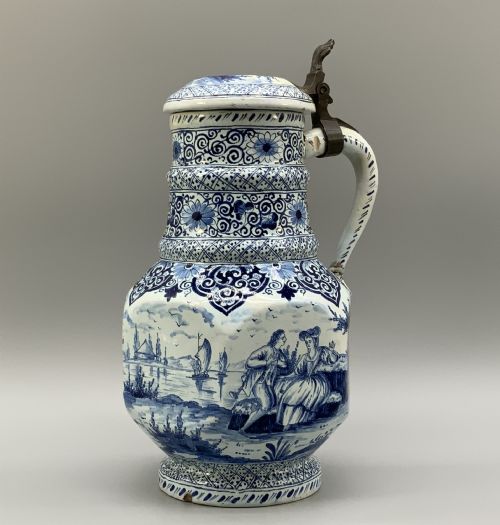
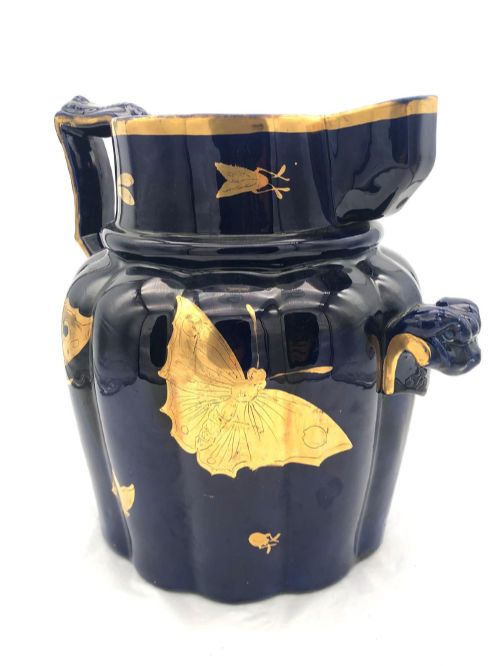
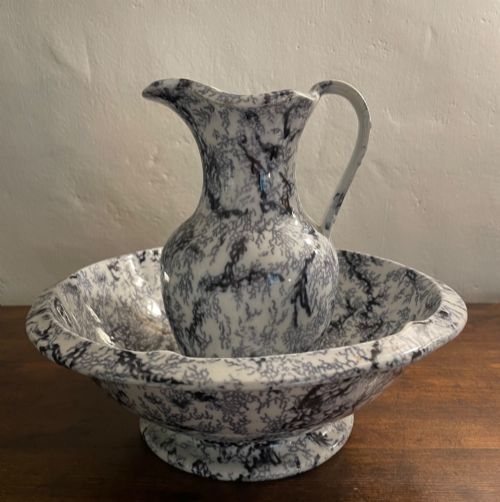
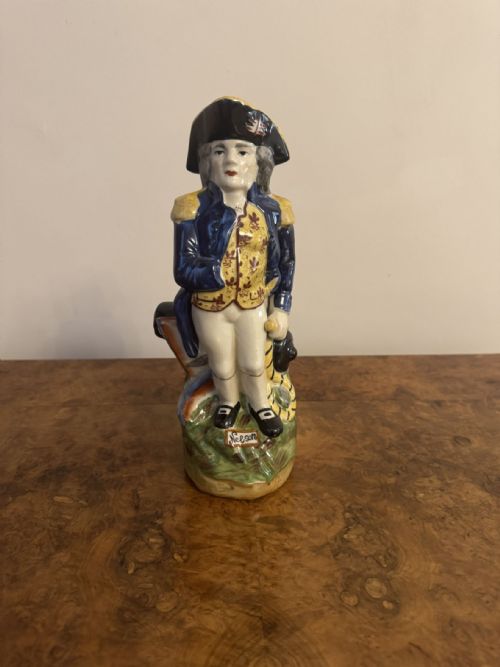
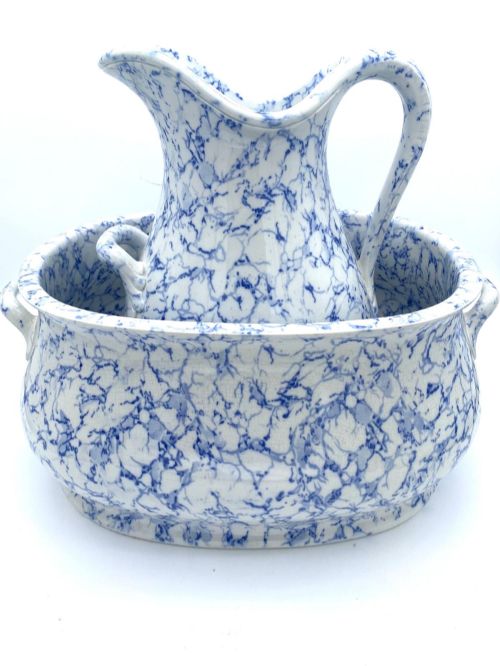
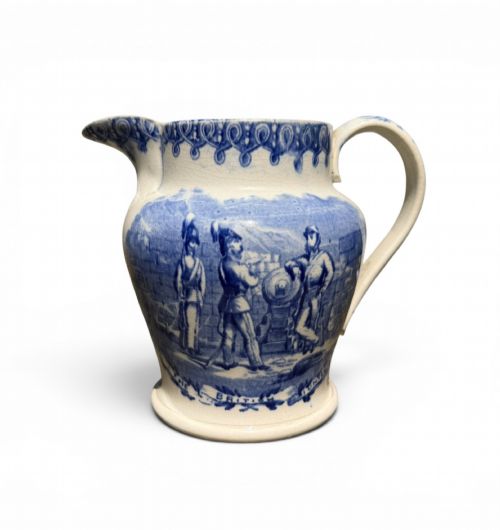
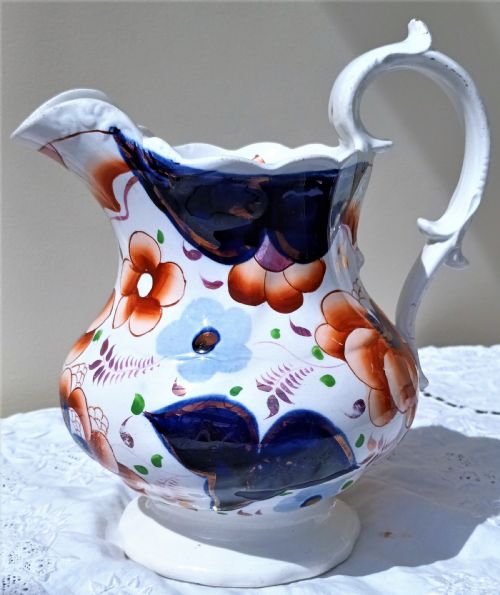
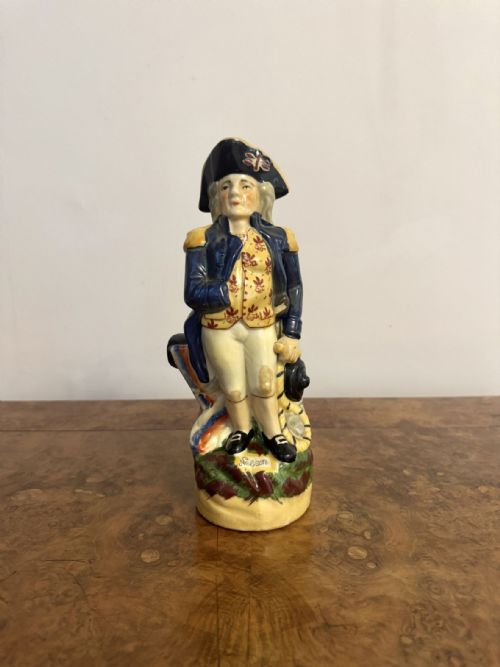
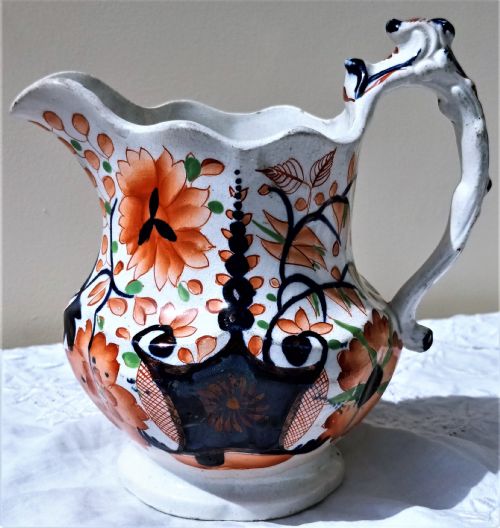
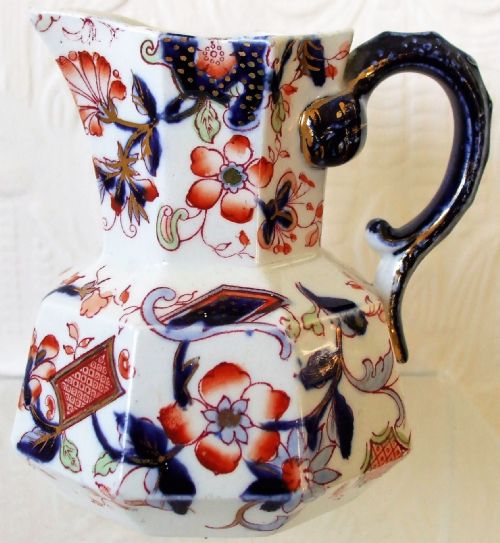
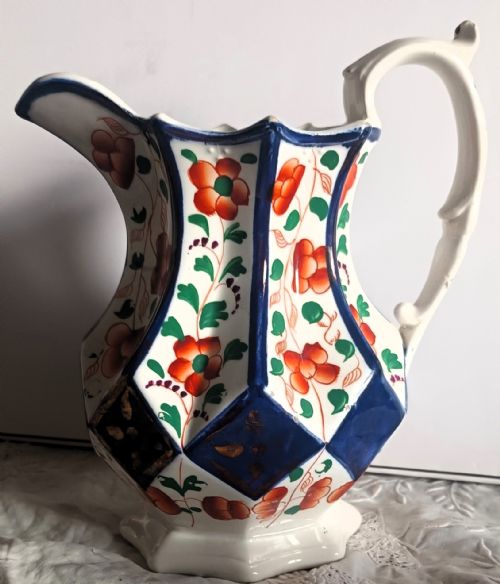
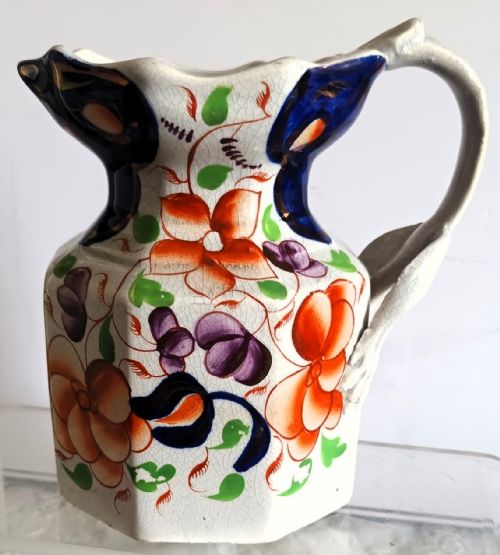
A blue earthenware jug encompasses utilitarian vessels and decorative pitchers produced across the eighteenth and nineteenth centuries. The selection spans robust Georgian utility pieces, ornate Victorian wash sets, and characterful Staffordshire figural jugs.
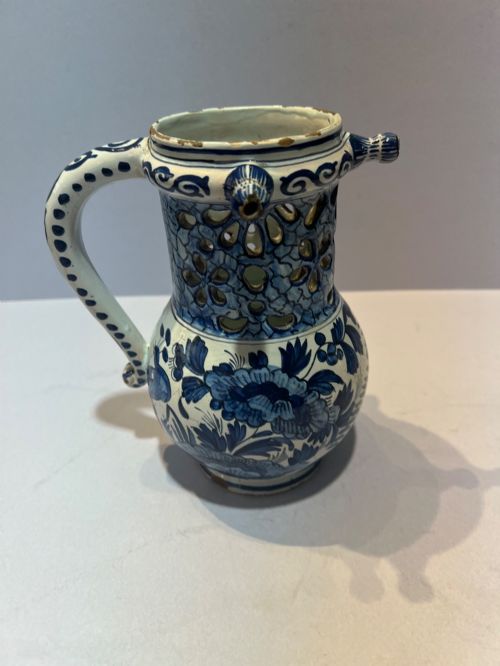
Makers utilised earthenware and ironstone bodies, finishing them with tin glazes, flow blue techniques, or enamel decoration. Buyers encounter forms ranging from simple domestic pitchers to elaborate puzzle jugs and portrait figures.
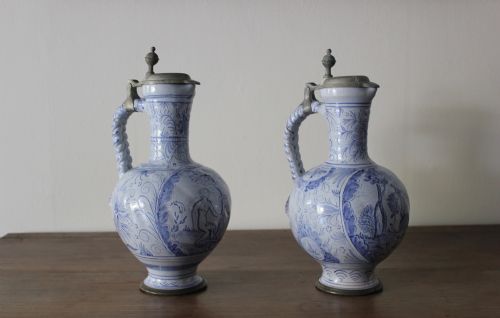
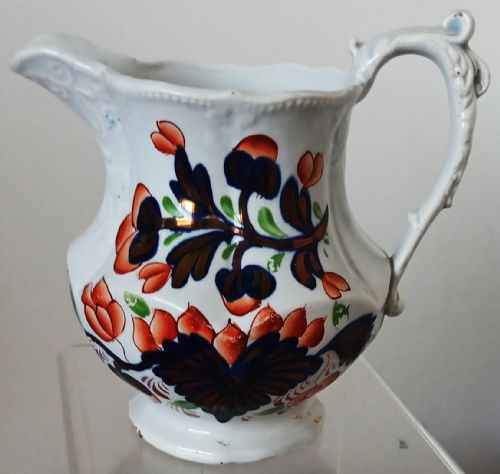
The regional variety extends from Dutch delftware vessels to Welsh gaudy patterns and English ironstone suites. Each piece reflects the domestic habits and ceramic technologies of its specific period.
Materials and Techniques
Potters shaped local clays or refined earthenware bodies on the wheel or cast them in moulds, creating walls designed to hold liquids safely. Tin glazing and standard ceramic glazes provided smooth, impermeable surfaces for subsequent painting.
Cobalt blue pigments supplied the primary colour, applied either by hand-painted brushwork or through transfer printing. Enamel highlights and occasional copper lustre or gilt additions completed the surface before high-temperature firing.
Standards of Quality
Glaze consistency and the absence of firing distortions distinguish finer workshop output. Balance in the handle application and overall symmetry dictate the success of the finished piece.
Keeling & Co.·Masons·Minton·Doulton Lambeth·Davenport·Pieter Verburg
The Blue Earthenware Jug Glossary
- Earthenware
- Porous pottery fired at lower temperatures, requiring a glaze to hold liquids. It forms the structural base for the majority of these domestic vessels.
- Transfer printing
- A mechanical method of applying complex blue designs to ceramics using engraved copper plates and tissue paper. This technique allowed factories to produce intricate patterns efficiently.
- Flow blue
- A nineteenth-century Staffordshire technique where lime or ammonia chloride vapour was introduced into the kiln during firing, causing the cobalt blue to blur softly into the white glaze.
- Tin glaze
- An opaque white lead glaze opacified with tin oxide, providing a smooth canvas for blue and white painting on delftware. It creates a distinctive milky surface finish.
- Toby jug
- A pottery jug shaped as a jovial seated figure holding a mug and jug of beer, typically wearing eighteenth-century attire. These figural pieces combine sculpture with functional utility.
Blue Earthenware Jug: Frequently Asked Questions
How do I date a blue earthenware jug?
Examining the ceramic body, glaze characteristics, and decorative method helps determine the period of manufacture. Transfer-printed patterns and flow blue finishes typically point to the nineteenth century, while tin glazing often indicates eighteenth-century Dutch or English origins.
Factory marks, where present on the base, provide further clues to specific decades. Stylistic markers such as Victorian aesthetic preferences or Georgian shapes also narrow the production timeframe.
Were these jugs used for water or beer?
Domestic jugs served multiple functions depending on their size and form, ranging from serving water at the table to holding beer or ale in taverns. Large ewers were paired with basins for washing, while smaller pitchers managed daily liquid transfer.
Figural pieces like toby jugs often functioned as drinking vessels for ale rather than purely decorative ornaments. Specialised forms such as puzzle jugs were designed for tavern amusement rather than standard service.
What is the difference between delftware and Staffordshire pottery?
Delftware relies on a tin glaze over an earthenware body to create a white surface for blue painting, frequently showing a direct influence from Chinese porcelain. Staffordshire potteries developed refined ironstone and earthenware bodies using transfer printing and enamel colours.
Staffordshire pieces often feature robust figures and bright floral palettes like gaudy Welsh patterns. Delftware maintains a softer, tin-glazed aesthetic with characteristic blue and white tin-enamelled decoration.
Can I use an antique jug for daily service?
Historic earthenware can handle gentle domestic use, but porous ceramic bodies and old glazes require careful handling. Hand washing in lukewarm water preserves the glaze and prevents chemical damage to delicate enamel highlights or historical surfaces.
Sudden temperature changes should be avoided to protect the aged ceramic structure from thermal shock. Many collectors prefer to display these pieces or use them strictly for dry arrangements.