

Blue Cocktail Ring
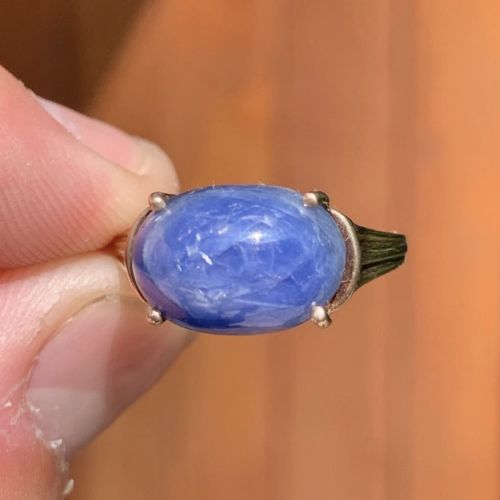
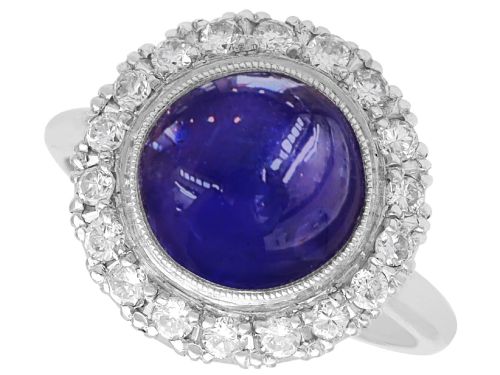
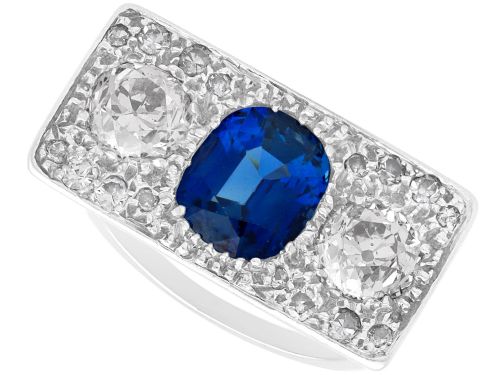
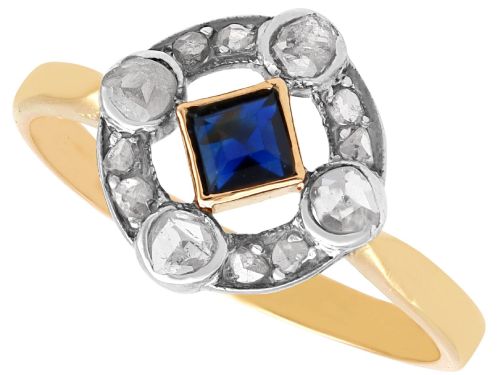
A blue cocktail ring brings together bold stones and precious metals to make an undeniable statement on the hand.
Blue Cocktail Ring
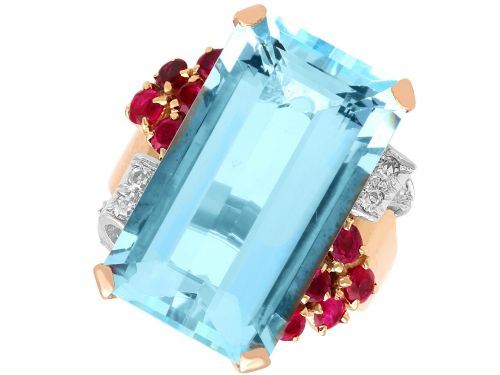
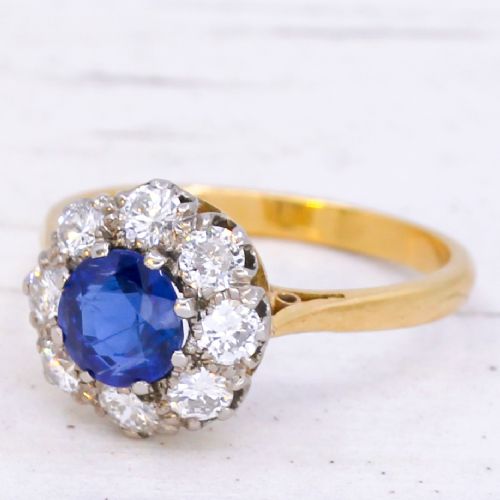
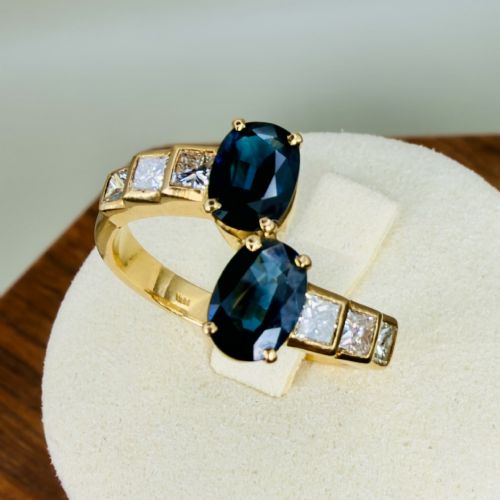
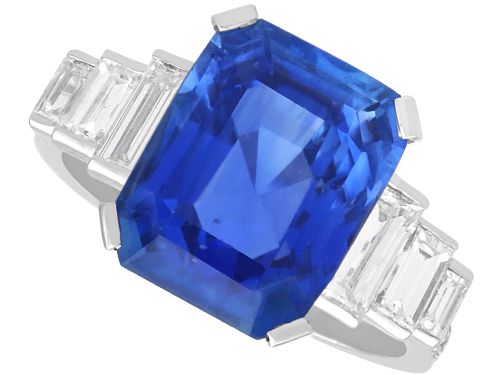
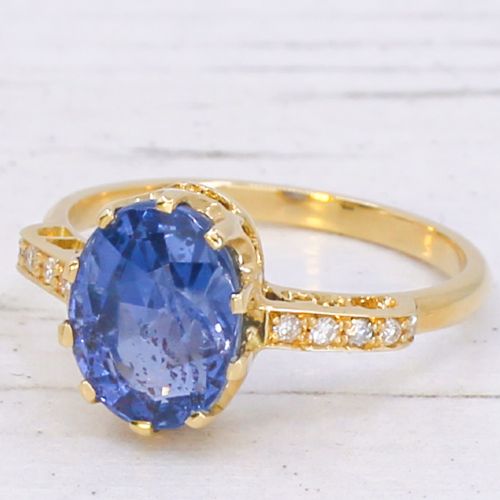
A blue cocktail ring is a large, eye-catching jewel designed to be worn at evening events and social gatherings. These pieces draw the eye through substantial central stones surrounded by smaller glittering accents.
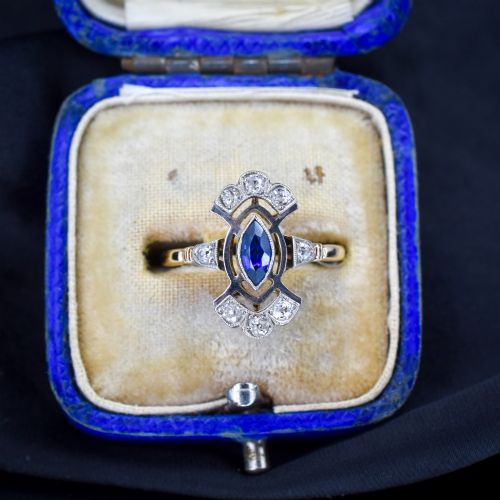
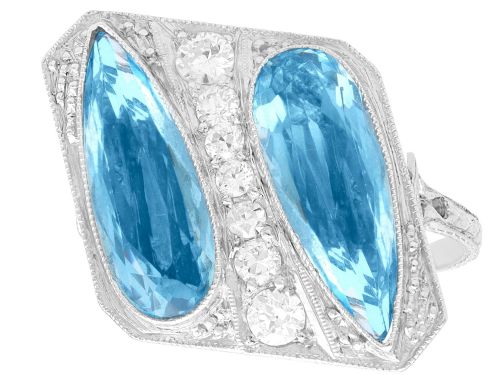
The selections span several distinct eras, with Art Deco geometry and Mid-Century boldness appearing frequently among the listings. Buyers will encounter forms ranging from traditional cluster shapes to elongated navette settings.
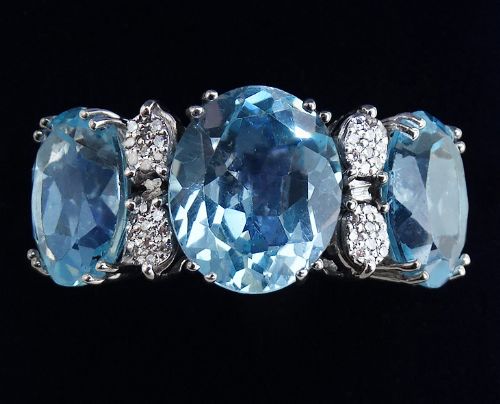
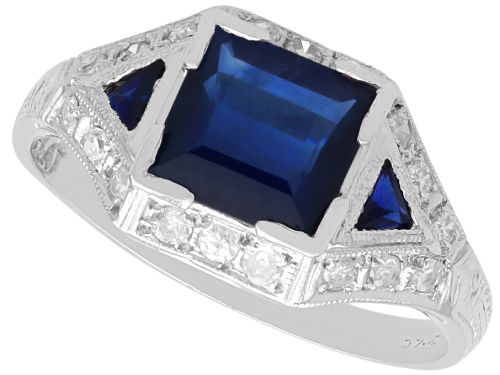
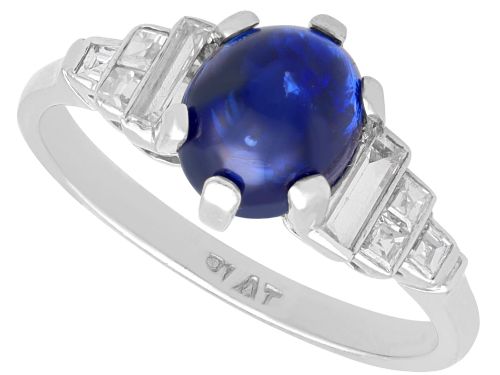
Central stones typically feature blue sapphire or aquamarine, complemented by diamonds set in platinum or various tones of gold. These vibrant creations reflect a history of expressive jewellery design from the early twentieth century onward.
How they were made
Goldsmiths and platinum smiths utilised durable precious metals to support substantial carat weights securely. Platinum and 18ct white or yellow gold provide the necessary structural strength for heavy gemstone settings.
Master jewellers employed intricate techniques such as calibre-cut stones and pavé diamond borders to maximise brilliance. Hand-worked millegrain edges and openwork galleries demonstrate the careful bench work typical of antique and vintage production.
Blue Cocktail Ring Retail Price Guide 2026
Typical asking prices for blue cocktail ring among the pieces listed under this phrase on Sellingantiques today, from the lower quarter to the upper quarter. They describe what is for sale here now, not the wider market.
Some vintage cocktail rings arrive tucked inside their original velvet presentation cases, preserved just as they left the jeweller decades ago.
What varies in quality
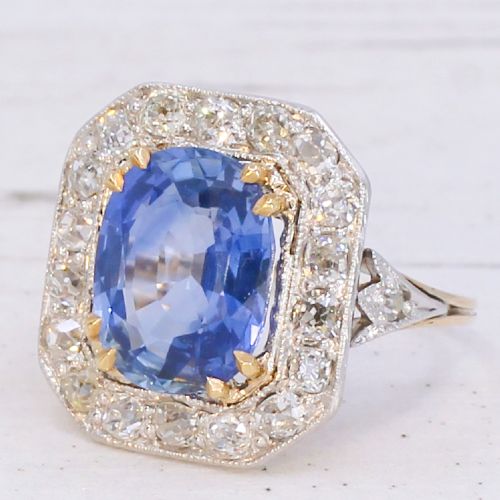
The distinction between standard pieces and the finest examples rests largely on the natural quality and origin of the central gemstone. Ceylon sapphires with unheated depths of colour command particular respect among collectors.
Execution and proportion set exceptional rings apart from ordinary ones, notably in the precision of the stone cutting and the delicacy of the metalwork. Original fitted cases and maker signatures further elevate the standing of a piece.
Kutchinsky·Le Vian
The Blue Cocktail Ring Glossary
- Navette
- A boat-shaped ring setting that tapers to points at both ends. This elongated silhouette flatters the finger and maximises visual presence.
- Cluster ring
- A design featuring a prominent central stone encircled by a border of smaller gems. This configuration enhances overall sparkle and apparent scale.
- Calibre-cut
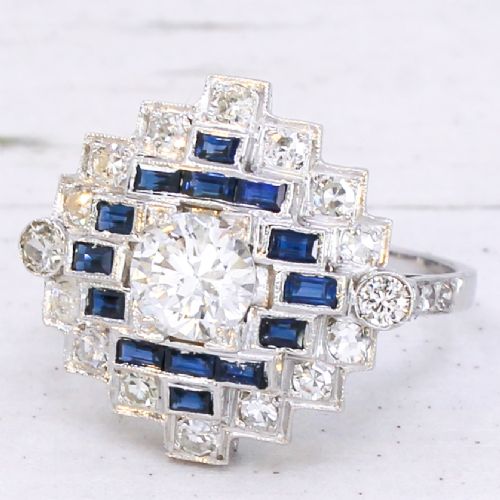
- Stones specifically shaped and cut to fit tightly together with minimal metal visibility between them. This technique creates continuous lines of intense colour.
- Millegrain
- A decorative border of tiny metal beads along the edges of a setting. This tactile detail adds a refined finish to antique mountings.
- Trilogy ring
- A three-stone ring traditionally symbolising the past, present and future. These pieces often pair a central blue gem with supporting side diamonds.
Blue Cocktail Ring: Frequently Asked Questions
What is a blue cocktail ring?
A blue cocktail ring is a statement jewel featuring prominent blue stones like sapphire or aquamarine, designed for evening wear.
Originating in the early twentieth century, these substantial pieces were meant to catch the eye across a crowded room.
How do I style a vintage ring?
Wear a statement ring on its own to let the intricate metalwork and large stones command full attention.
Pairing these historic pieces with simple evening attire allows the bold blue hues and diamond accents to stand out.
Are these rings suitable for daily wear?
While platinum and gold provide robust settings, the large central stones require mindful care during everyday activities.
Removing the jewel before heavy manual tasks protects the prongs and preserves the delicate millegrain detailing.
How do I identify an Art Deco ring?
Art Deco rings typically display symmetrical geometric patterns, sharp lines, and strong contrasts between white metals and dark blue stones.
Craftsmen of this period favoured platinum and calibre-cut gems to create flat, architectural surfaces.