




Blue China Plate Set
A blue china plate set brings together matching ceramic tableservice pieces in transferware, ironstone, and porcelain, offering both practical utility and decorative depth.
Blue China Plate Set
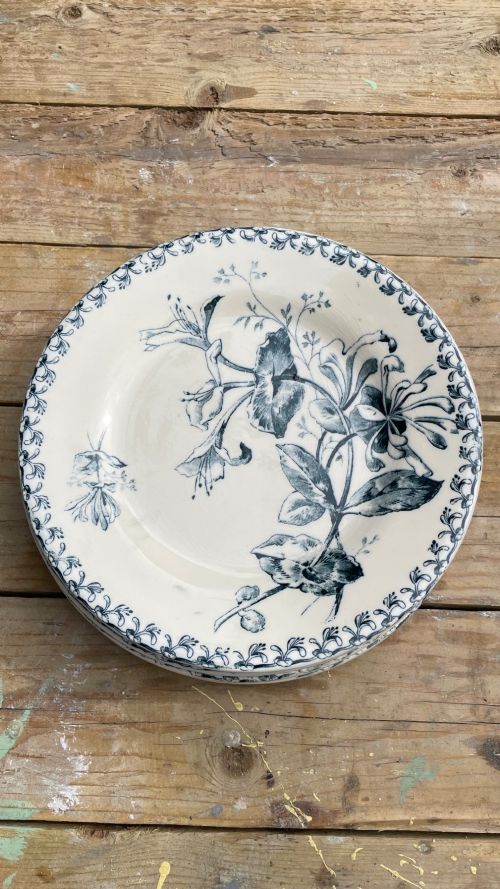
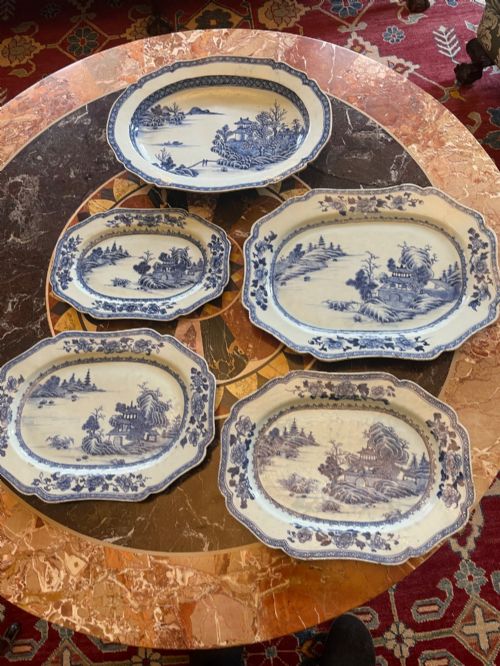
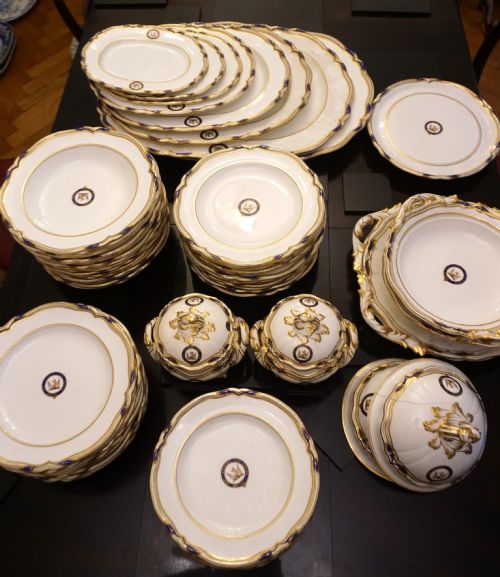
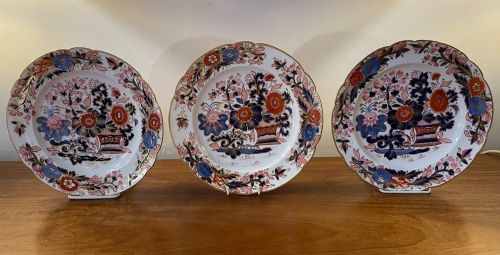
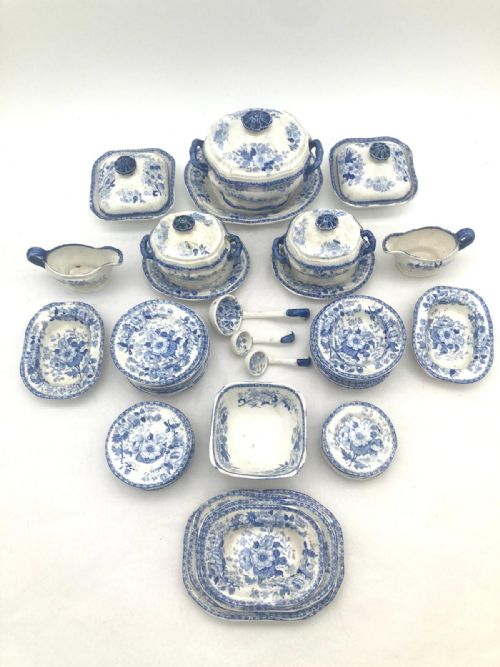
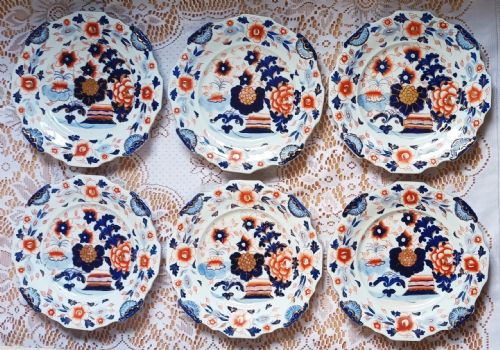
A blue china plate set spans multiple centuries of ceramic production, encompassing everything from utilitarian earthenware to elaborate cabinet services. The pieces found here range from modest breakfast and tea plates to extensive dinner and dessert services created for formal dining.
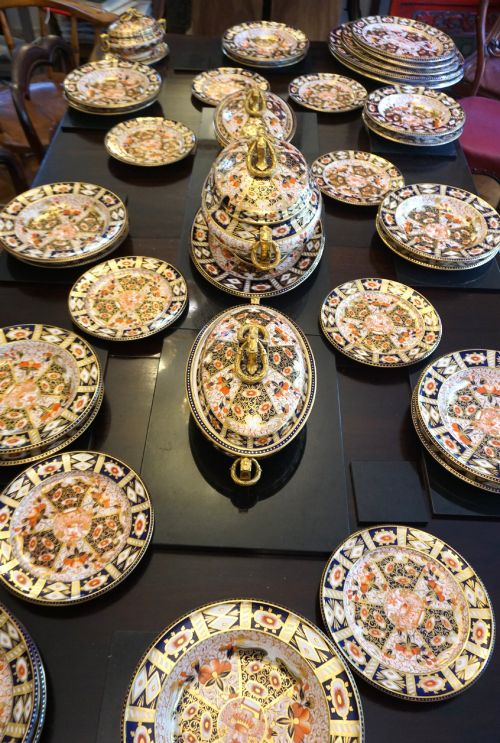
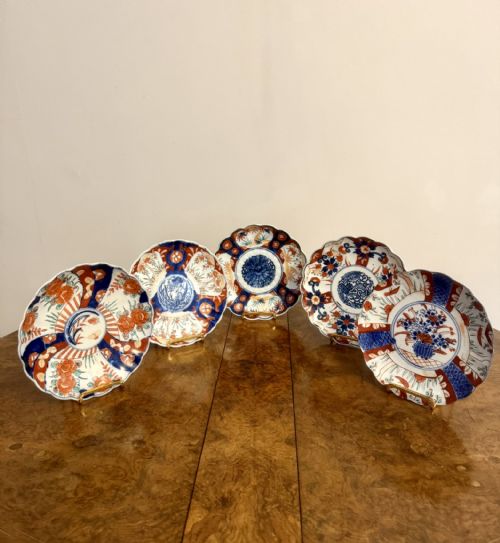
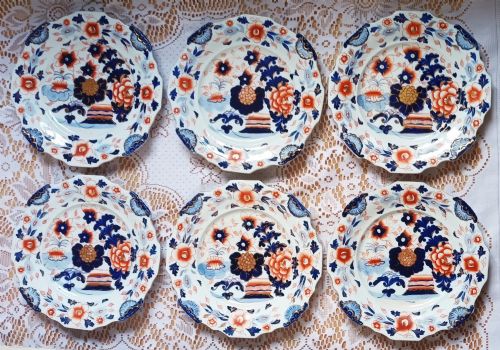
Most entries belong to the nineteenth century, reflecting the peak of British pottery manufacturing alongside select imported Japanese Imari and Dutch Delft examples. These groupings frequently arrive as matched sets of six or fourteen, though larger surviving dinner services also appear.
Materials and production methods
Potters relied primarily on earthenware, ironstone, pearlware, and porcelain, applying underglaze blue transfer printing or hand-painted enamel decoration. Ironstone provided exceptional durability for heavy-use dinner services, while porcelain and bone china suited delicate dessert and cabinet plates.
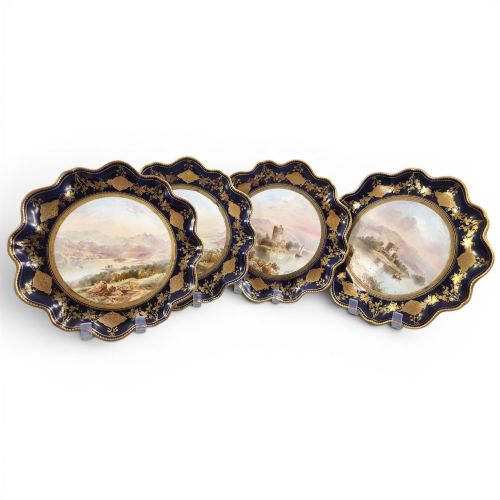
Makers integrated decorative elements such as gold leaf, gilding, and intricate glazes to elevate standard tableware into formal display items. The combination of cobalt blue pigments and crisp ceramic bodies defined the aesthetic of these functional objects.
Blue China Plate Set Retail Price Guide 2026
Typical asking prices for blue china plate set among the pieces listed under this phrase on Sellingantiques today, from the lower quarter to the upper quarter. They describe what is for sale here now, not the wider market.
At least one nineteenth-century maker produced a pattern affectionately named the crazy cow or bengal tiger.
Factors determining quality
The sophistication of the painted or transfer-printed design dictates visual appeal, with crisp cobalt saturation and detailed motifs separating superior pieces from basic wares. Complete, matching services display uniform firing results and consistent glaze application across every plate and bowl.
The choice of body material influences structural integrity and refinement, as dense ironstone withstands heavy wear while fine porcelain allows for thinner, more translucent walls. Extant storage boxes and matching serving platters add functional completeness to historical groupings.
Davenport·Staffordshire·Royal Crown Derby·Minton·Aynsley·Masons·Worcester·Wedgwood·Elkin And Newbon·Royal Worcester·Copeland Spode·Sutherland·Kerr And Binns
The Blue China Plate Set Glossary
- Transferware
- A ceramic decorating technique involving the transfer of a printed design from a copper plate onto paper, then onto the unglazed or biscuit pottery before firing. This method enabled mass production of intricate blue and white patterns.
- Ironstone
- A dense, hard-wearing type of earthenware patented in the nineteenth century to imitate Chinese porcelain. It resists chipping and staining far better than standard pottery.
- Imari
- A style of Japanese porcelain featuring a distinct palette of underglaze blue, iron red, and gilt highlights, which heavily influenced European makers. British factories frequently produced their own versions of this vibrant aesthetic.
- Pearlware
- A refined form of earthenware developed in the late eighteenth century featuring a bluish glaze that pooled in crevices to mask the natural cream colour of the clay. It served as a popular canvas for blue and white transfer printing.
Blue China Plate Set: Frequently Asked Questions
What is a blue china plate set?
A blue china plate set is a collection of matching ceramic dishes sharing a common pattern, glaze, or period origin, typically produced for dining or display.
These groupings range from small tea plates to large dinner and dessert services featuring traditional blue and white motifs or colourful Imari palettes.
How were these plate sets used historically?
These ceramic services functioned primarily during formal meals, tea gatherings, and dessert courses in middle and upper-class households.
Many plates served practical daily purposes, while finer porcelain and cabinet pieces were reserved for display or entertaining guests.
How do I care for antique plates?
Antique plates require gentle hand washing with mild soap and warm water, avoiding abrasive sponges or modern dishwashers that can damage old glazes and gilding.
Storing pieces with felt dividers between them prevents scratching and protects the edges of fragile earthenware and porcelain.
How can I tell the period of a plate set?
The period can often be identified through impressed registry marks, backstamps, ceramic body composition, and the specific style of the blue transfer print.
Comparing the manufacturing technique against known factory timelines helps narrow down the exact decade of production.