



Blue China Dinnerware
These blue china dinnerware pieces combine transfer-printed and hand-painted artistry across centuries, offering timeless utility for the dining table.
Blue China Dinnerware
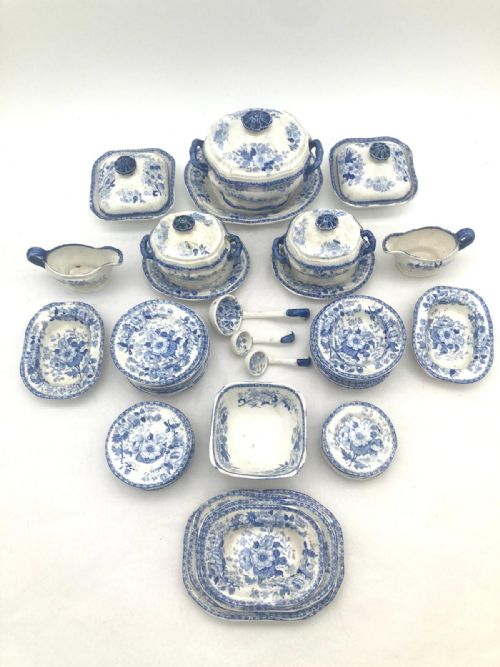
Blue china dinnerware encompasses an array of ceramic forms, from expansive sets to individual plates and miniature services created across the Georgian, Victorian, and Edwardian eras. Buyers exploring blue china dinnerware frequently encounter classic transfer-printed patterns such as Italian, Willow, and floral sheet designs upon sturdy ironstone or refined porcelain. These objects range from soup bowls and cabinet pieces to comprehensive dining services bearing registration marks and historic patterns.
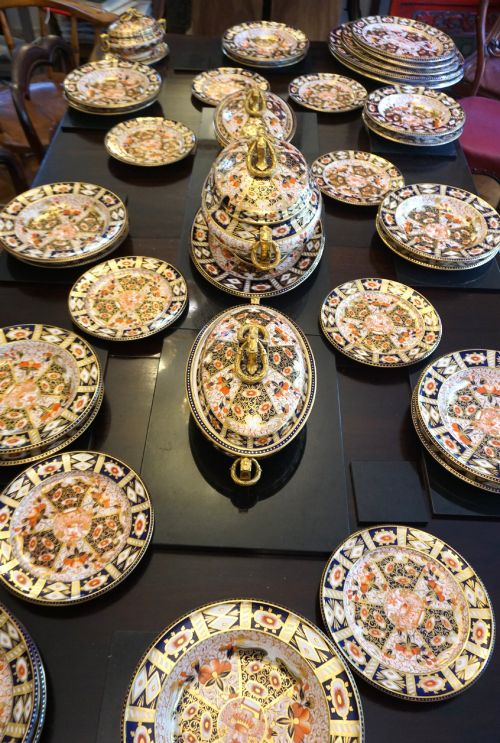
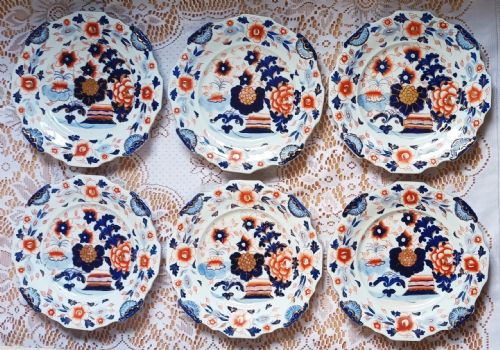
The selection reflects diverse aesthetic movements including Imari Japan, Chinoiserie, and botanical motifs executed in deep cobalt and blue tones. Pieces often date from the early nineteenth century through to the nineteen hundreds, capturing the evolution of British ceramic production. Collectors utilise these traditional services both for display and for formal dining occasions.
Materials and Craftsmanship
Makers utilised durable ironstone and fine porcelain bodies as the foundation for transfer printing and hand-applied enamel decoration. Artisans applied cobalt blue designs through copperplate transfer printing before sealing the surface with a glossy glaze.
Select pieces received additional detailing through gold leaf and gilt accents, enhancing the visual depth of the patterns. Potters fired these wares at high temperatures to ensure the vitrification of the ceramic and the permanence of the blue pigments.
Blue China Dinnerware Retail Price Guide 2026
Typical asking prices for blue china dinnerware among the pieces listed under this phrase on Sellingantiques today, from the lower quarter to the upper quarter. They describe what is for sale here now, not the wider market.
Nineteenth-century breakfast tables often featured specialised egg cups and small plates painted with cheerful transfer patterns to start the morning.
Assessing Quality and Execution
The precision of the transfer printing dictates the initial visual merit, distinguishing crisp pattern lines from blurred or smudged applications. Hand-painted enhancements over the transfer outline add distinct artistic value and depth to the ceramic surface.
The choice of body material influences the durability and refinement of each piece, with fine porcelain and dense ironstone representing distinct manufacturing standards. Completeness of service sets and the preservation of original gilding and glaze integrity further define the standing of individual items.
Davenport·Minton·Mason·Wedgwood·Spode·Elkin and Newbon·Copeland Spode
The Blue China Dinnerware Glossary
- Ironstone
- A dense, heavy earthenware patent created to offer a robust alternative to porcelain while maintaining fine ceramic qualities. It became a primary material for nineteenth-century dining services.
- Transfer printing
- A decoration technique where an engraved copper plate applies ink onto tissue paper, which is then transferred onto the unglazed or biscuit-fired ceramic body. This process allowed intricate patterns to be reproduced consistently.
- Imari
- A decorative style inspired by Japanese export wares featuring rich cobalt blue combined with iron red and gilt highlights. British potteries adapted this aesthetic during the Georgian and Victorian periods.
- Chinoiserie
- European interpretations of Chinese artistic motifs, frequently rendered in blue and white on ceramics. The style depicts imaginary landscapes, figures, and architectural elements.
- Armorial
- A ceramic design incorporating family crests, coats of arms, or heraldic insignia. These bespoke elements were often commissioned for prominent households.
Blue China Dinnerware: Frequently Asked Questions
How do I care for antique blue china?
Wash antique ceramics gently by hand in warm water using mild soap, avoiding modern dishwashers and harsh abrasive sponges to protect the glaze and any gilt highlights.
Store pieces with adequate padding between plates to prevent rim chipping and surface scratching over time.
Can I use antique dinnerware for daily meals?
Many ironstone and porcelain services remain robust enough for occasional dining, provided you handle them with care and avoid thermal shock from extreme temperature changes.
Consider the presence of delicate enamel or gold leaf before serving food, as some highly decorated cabinet pieces are better suited for display.
What is the difference between ironstone and porcelain?
Ironstone is a heavy, opaque earthenware developed for durability and everyday utility, possessing a thick and sturdy body.
Porcelain is a vitrified, finer ceramic material that often exhibits translucency when held to the light and tends to be reserved for more refined table services.
How do I identify the date of a set?
Examine the base of the ceramics for impressed maker marks, registration diamonds, or pattern names that correspond to nineteenth-century registry office archives.
Stylistic elements like border motifs and the shade of the blue transfer can also help narrow down the manufacturing period.