



Blue Ceramic Character Jug
These blue ceramic character jugs bring character and colour to a room, offering historic form and traditional glaze work.
Blue Ceramic Character Jug
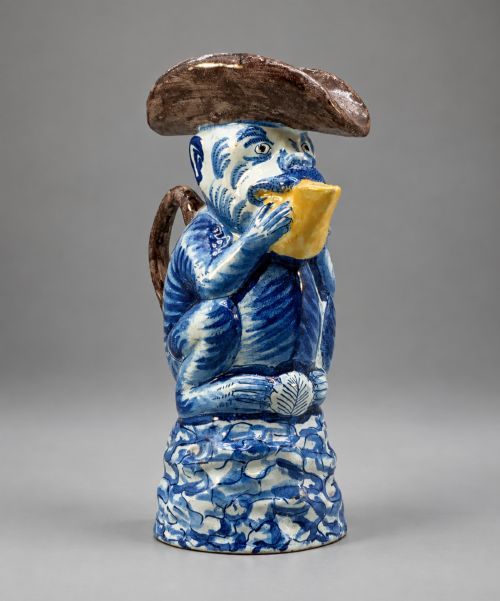
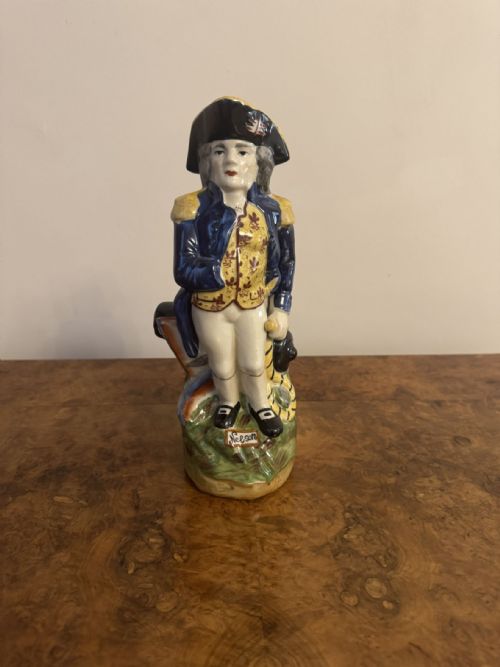
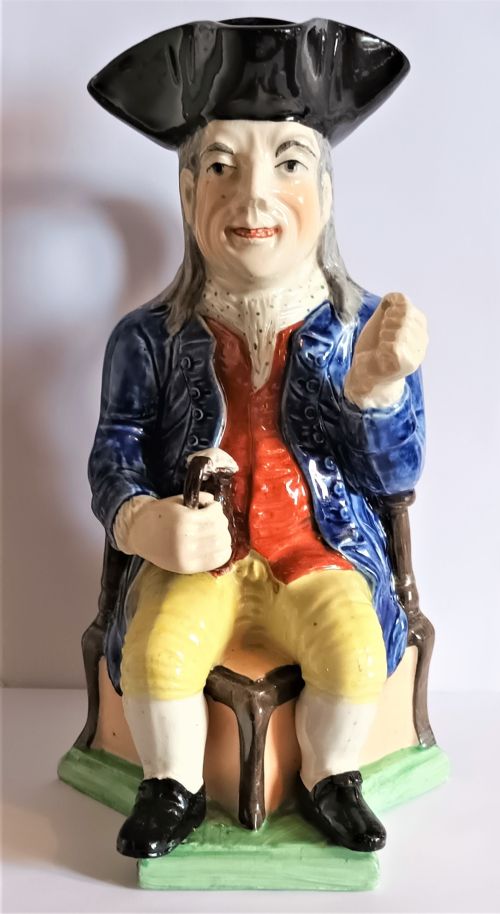
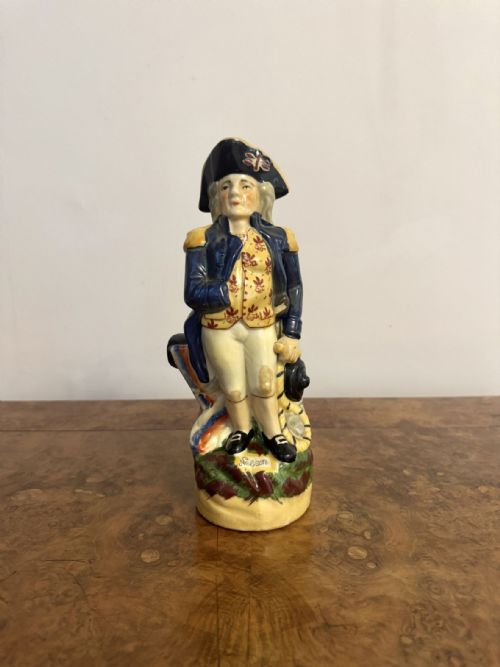
A blue ceramic character jug represents a seated figure depicted with distinct facial expressions and period attire, often taking the form of historical personalities or traditional characters like Lord Nelson or Mr Snuff. These vessels draw on Victorian and Georgian traditions, originating primarily from Staffordshire pottery workshops as well as Dutch delftware production.
The versions most commonly met on this page span the nineteenth century, including Staffordshire figures alongside earlier Georgian examples. Their forms range from traditional pouring jugs to decorative pepperpots and small vases, utilising distinct regional styles.
Collectors encounter figures associated with notable historical figures or archetypes, shaped by nineteenth-century moulding techniques. Each piece demonstrates the enduring appeal of figural ceramics within British and European domestic interiors.
How they were made
Potters utilised tin-glazed earthenware and standard ceramic compositions, firing the pieces in kilns to set the surface glaze. The interaction between the glaze and the underlying clay body produced the characteristic blue tones visible across these objects.
Blue Ceramic Character Jug Retail Price Guide 2026
Typical asking prices for blue ceramic character jug among the pieces listed under this phrase on Sellingantiques today, from the lower quarter to the upper quarter. They describe what is for sale here now, not the wider market.
Listings feature earthenware and tin-glazed earthenware pieces spanning the Georgian and Victorian periods, including Staffordshire pottery and Dutch delftware.
What varies in quality
The smoothness and depth of the glaze application affect the visual presence of the object, with even surfaces preserving the underlying detail. Pieces retaining clear enamel highlights and intact glaze show the durability of the initial manufacture.
Stevenson and Hancock
The Blue Ceramic Character Jug Glossary
- Earthenware
- A porous pottery body fired at lower temperatures, commonly used for traditional figural jugs and domestic wares. It requires a protective glaze to hold liquids.
- Staffordshire Pottery
- The ceramic manufacturing output of the Staffordshire region in England, known for producing figural earthenware and character jugs during the nineteenth century. These works often depicted local archetypes and historical figures.
- Tin-glazed earthenware
- Pottery covered with a glaze containing tin oxide, which dries opaque white and accepts painted decoration directly onto the unfired surface. This technique underpins traditional delftware production.
- Toby Jug
- A pottery jug modelled in the shape of a seated person, typically drinking or holding a mug. The form emerged in eighteenth-century England and remained popular throughout the Victorian era.
Blue Ceramic Character Jug: Frequently Asked Questions
What is a blue ceramic character jug?
A blue ceramic character jug is a moulded earthenware vessel shaped as a seated person, decorated with blue glazes or enamel paint. These pieces typically depict historical figures or traditional archetypes.
Originating in British and European potteries during the Georgian and Victorian eras, these objects combined sculptural form with functional utility.
How were character jugs used historically?
These vessels served as functional pouring jugs for beverages at the table or as decorative table wares in homes. Their humorous or characterful depictions provided a point of conversation for guests.
Smaller variants also functioned as pepperpots or cabinet pieces, demonstrating the versatility of figural ceramics in domestic spaces.
How do I care for antique pottery?
Keep these ceramic pieces away from direct sunlight and areas subject to sudden temperature shifts to protect the glaze and body. Dust them gently with a soft, dry cloth without applying water or cleaning solutions.
Avoid using them for serving food or liquids today, as historic earthenware and glaze surfaces can be sensitive to modern detergents.
How do I identify nineteenth-century pieces?
Examine the moulding style, glaze characteristics, and the type of earthenware body beneath the surface. Nineteenth-century pieces often display hand-painted enamel details over tin-glazed or standard ceramic surfaces.
Compare the subject matter, such as Lord Nelson or traditional figures, with documented Staffordshire and Dutch delftware production methods from the period.