

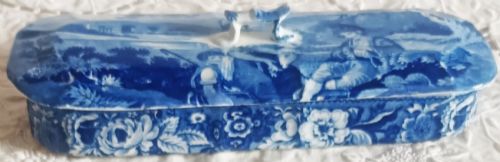


Blue Ceramic Box
A blue ceramic box holds small treasures while bringing crisp colour and historic craft directly onto a dressing table or desk.
Blue Ceramic Box
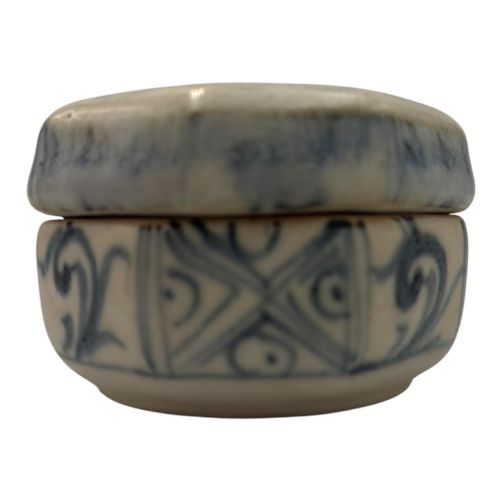
A blue ceramic box is a small lidded vessel designed to hold trinkets, powder, or patches, appearing across periods from the seventeenth century through to the Art Deco era. The selection centres heavily on nineteenth-century specimens alongside French and Austrian powder boxes from around nineteen thirty, reflecting diverse utilitarian and decorative household uses.
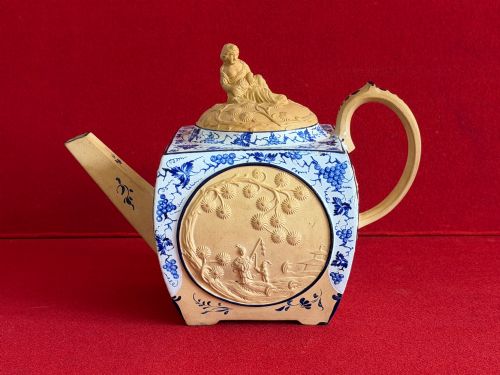
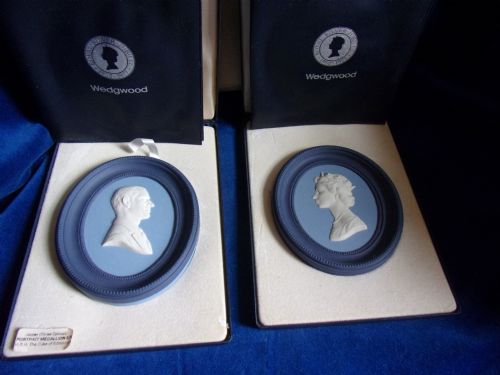
Makers shaped these containers in various forms, including circular patch boxes, octagonal covered vessels, toothbrush containers, and figural powder jars topped with half-doll flapper figures. Materials span porcelain, stoneware, earthenware, and jasperware, frequently paired with blue glaze or transfer-printed decoration.
How they were made
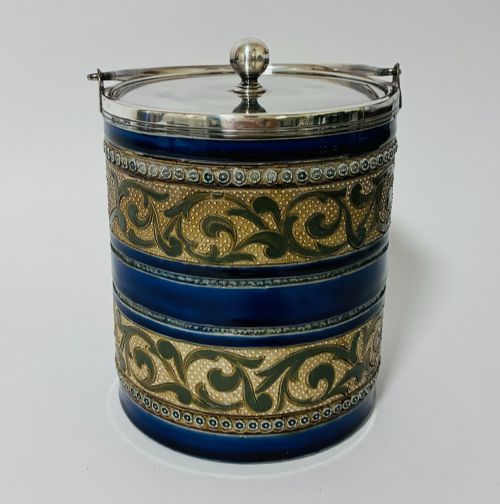
Potters formed these boxes using foundational ceramic bodies such as stoneware, porcelain, and earthenware, applying specialised glazes and transfer-printing techniques to achieve deep blue colouration. Certain pieces incorporate hand-painted details or gilt embellishments over the ceramic base, while others utilise silver-plated mounts or fitted lids.
Production methods evolved from early hand-formed and thrown vessels in Vietnamese and Dutch workshops to mass-produced or moulded European factory items from the Victorian and Art Deco periods. Artisans combined traditional firing processes with applied surface decoration, ranging from neoclassical motifs to Chinoiserie and Japanese Imari patterns.
Blue Ceramic Box Retail Price Guide 2026
Typical asking prices for blue ceramic box among the pieces listed under this phrase on Sellingantiques today, from the lower quarter to the upper quarter. They describe what is for sale here now, not the wider market.
Materials represented across the inventory include stoneware, porcelain, earthenware, enamel, and traditional jasperware.
What varies in quality
Quality rests upon the crispness of the moulded relief, the precision of the hand-painted or transfer-printed blue detail, and the preservation of any supplementary metal mountings. Superior examples maintain intact gilding, clean interior glaze, and a snug fit between the box and its cover.
The sophistication of the design sets finer studio or factory pieces apart from everyday utilitarian wares, particularly in figural modelling such as the half-doll powder jars or detailed jasper dip ornament. Age and origin further distinguish standard nineteenth-century items from early imported Asian vessels or scarce European Art Deco powder boxes.
Spode·Doulton Lambeth·Thomas Forester and Sons·Limoges·Wedgewood
The Blue Ceramic Box Glossary
- Jasperware
- A fine-grained, unglazed stoneware developed in the eighteenth century, famously produced in shades of blue with applied white neoclassical reliefs.
- Transfer ware
- Earthenware or porcelain decorated by applying a printed design from an engraved copper plate onto the ceramic surface before glazing and firing.
- Biscuit barrel
- A lidded ceramic container used for storing dry biscuits at the table, frequently fitted with a silver-plated rim, handle, and cover.
- Imari
- A style of Japanese porcelain featuring a distinct palette of underglaze blue and iron red, often augmented with gilt detailing.
- Patch box
- A small, portable box utilised in past centuries for holding small cosmetic fabric patches worn on the face.
Blue Ceramic Box: Frequently Asked Questions
What is a blue ceramic box used for?
These vessels served various domestic purposes through the centuries, functioning primarily as containers for small personal items like trinkets, face powder, or cosmetic patches.
Today, they suit modern interiors just as well, acting as decorative accents on mantelpieces or practical catch-alls for contemporary dressing tables.
How do I date a blue ceramic box?
Dating relies on observing stylistic markers, manufacturing techniques, and any visible maker marks or registry stamps pressed into the ceramic base. Pieces from the Georgian era display distinct transfer-printed or hand-painted traits, whereas nineteen-thirty examples often embrace bold Art Deco geometric forms or figural lids.
Comparing the glaze type and mounting materials, such as silver plating, further helps narrow down the period of production.
Are these boxes durable for daily use?
Most ceramic boxes withstand gentle handling, though older pieces require care to preserve delicate surface gilding, hand-painted details, or fitted metal hinges.
Displaying them away from high-traffic edges prevents accidental drops, ensuring the glaze and structural body remain undamaged.
How do I clean an antique blue ceramic box?
Cleaning requires only a soft, dry cloth or a slightly damp sponge to remove dust from the glazed surfaces without moisture seeping into unglazed areas.
Harsh chemical cleaners and abrasive scrubbing pads must be avoided entirely to protect historic glazes, transfers, and metallic mounts.