



Blue Ceramic Basket
A blue ceramic basket brings depth of cobalt and intricate pierced work to a table, combining utility with visual texture.
Blue Ceramic Basket
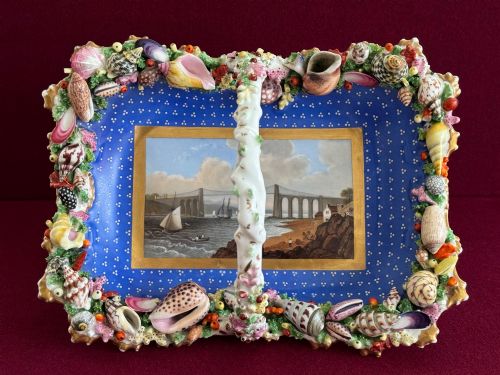
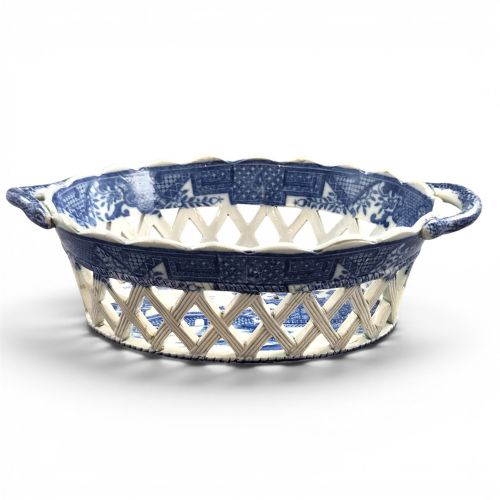
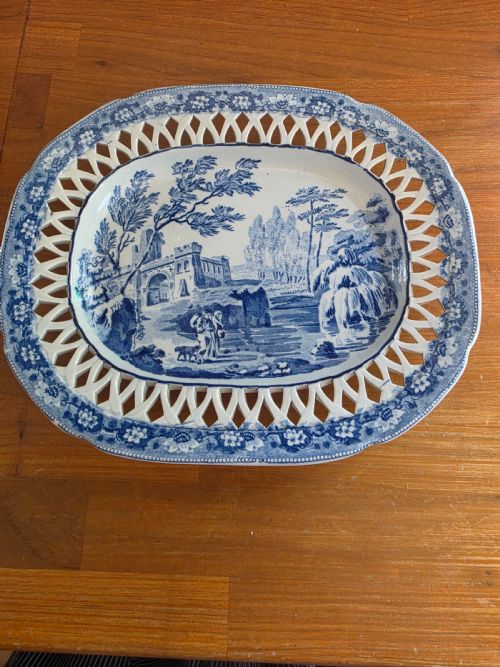
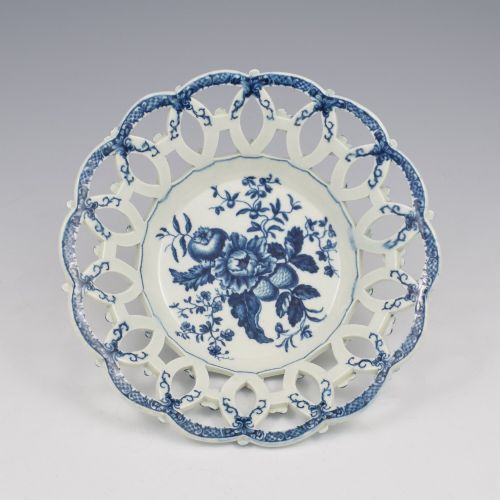
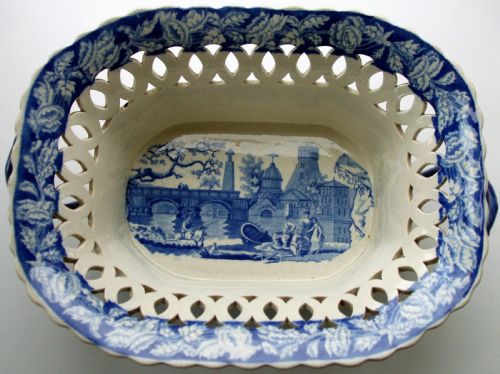
A blue ceramic basket combines earthenware, porcelain, and pearlware forms intended for holding fruit or chestnuts during Georgian and Victorian dining. These pieces often feature pierced or fretted borders alongside transfer-printed river scenes or traditional patterns.
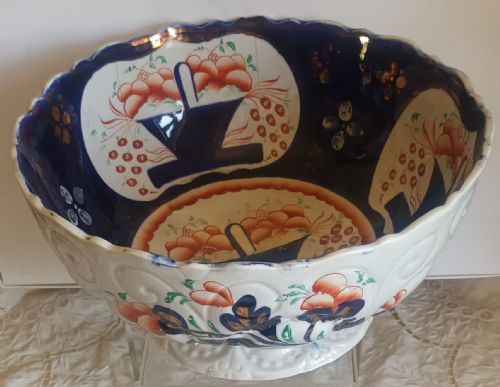
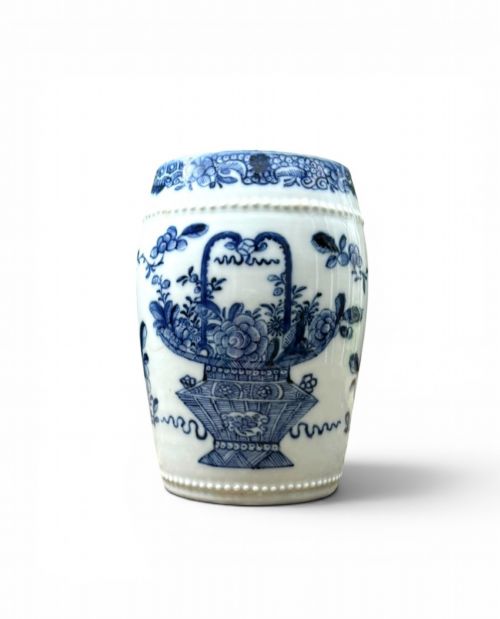
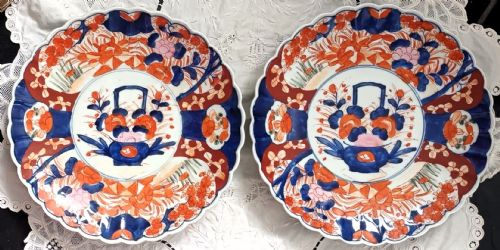
The common form on this page spans 18th-century porcelain vessels and 19th-century transfer-printed pottery. English factories such as Spode and Worcester dominate the output alongside Chinese export porcelain and Japanese Imari wares.
Buyers encounter footed bowls, reticulated chestnut baskets with matching trays, and handled servers. Each object utilises blue pigment ranging from pale transfer print to deep cobalt underglaze.
Distinguishing Quality
Quality rests in the crispness of the reticulation and the depth of the blue transfer print. Finer vessels display sharp piercing along the basket rim without glaze pooling in the cutouts.
The prestige of the manufactory and the precision of the hand-painted or transfer-printed details dictate the standing of the piece. Well-defined cobalt tones on porcelain bodies denote superior craftsmanship compared to heavier, thicker earthenware.
Blue Ceramic Basket Retail Price Guide 2026
Typical asking prices for blue ceramic basket among the pieces listed under this phrase on Sellingantiques today, from the lower quarter to the upper quarter. They describe what is for sale here now, not the wider market.
Some nineteenth-century makers extended the basket motif beyond tableware entirely, casting ceramic dogs proudly gripping quill holders in their teeth.
Chamberlain Worcester·Davenport·Spode·J. and R. Clews·Royal Worcester·Vion and Baury
The Blue Ceramic Basket Glossary
- Chestnut Basket
- A ventilated ceramic vessel designed specifically for serving chestnuts at the dining table. These pieces typically include an undertray to catch debris.
- Reticulated
- Describes an openwork lattice pattern cut into the clay wall of a basket before firing. This technique requires skilled hand-cutting to maintain structural integrity.
- Transfer Printing
- A method of applying intricate designs to ceramics using an engraved copper plate and tissue paper. The ink transfers from paper to the biscuitfired clay body prior to glazing.
- Pearlware
- A refined earthenware developed in the late 18th century featuring a bluish glaze that pooled slightly in crevices. This glaze masked the yellowish tint of the underlying body to mimic Chinese porcelain.
Blue Ceramic Basket: Frequently Asked Questions
What were blue ceramic baskets used for?
These vessels served primarily at the dining table for presenting fruit, nuts, or roasted chestnuts during the Georgian and Victorian periods. Their pierced walls allowed air circulation around perishable contents.
Over time, they transitioned into purely decorative objects displayed on sideboards or mantelpieces. Their intricate blue patterns made them central visual elements in formal dining rooms.
How do I date a blue ceramic basket?
Dating relies on identifying the ceramic body, glaze characteristics, and factory marks underneath the base. Pearlware and creamware bodies typically point to the late 18th or early 19th century.
Later Victorian examples often incorporate ironstone or heavier earthenware with registration marks stamped into the clay. Stylistic cues like Rococo Revival scrolls or transfer-printed river scenes also help narrow the decade.
Are these baskets meant for daily use?
While structurally sound, antique baskets feature delicate reticulated rims and aged glazes that warrant careful handling. Most collectors treat them as display pieces rather than functional tableware.
Hand washing in lukewarm water without harsh detergents protects the glaze and any delicate enamel highlights from fading. Storing them away from high-traffic areas prevents accidental chipping of the openwork clay.
How do I tell English pieces from export wares?
English pieces typically utilise earthenware, ironstone, or soft-paste porcelain with transfer-printed botanical or topographical scenes. Marks from factories like Spode or Clews often appear on the reverse.
Export pieces from China or Japan display hard-paste porcelain bodies with hand-painted Imari palettes or cobalt underglaze motifs. These oriental items frequently feature characteristic spur marks and unglazed foot rims.