





Blue Ceramic Art
Blue ceramic art encompasses an array of glazed stoneware, porcelain, and earthenware pieces spanning the nineteenth and twentieth centuries.
Blue Ceramic Art
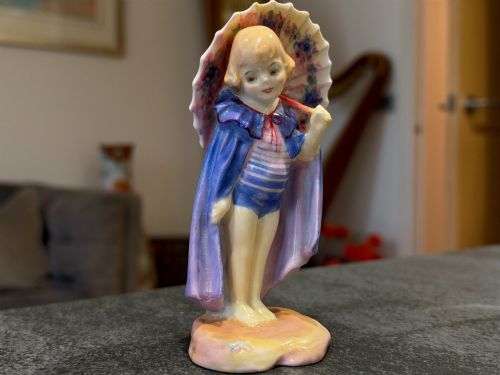
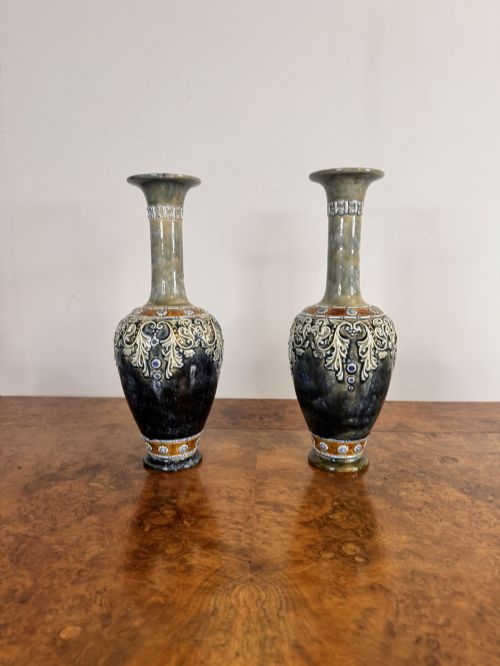
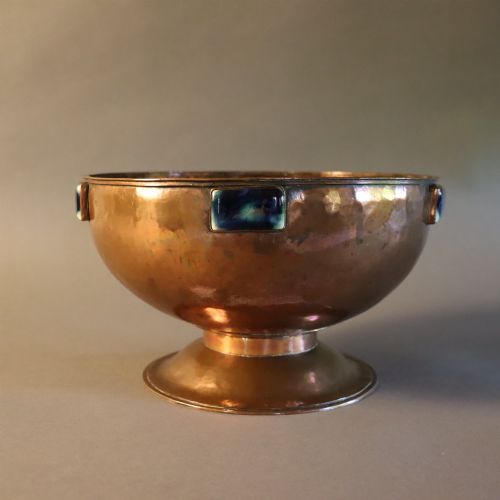
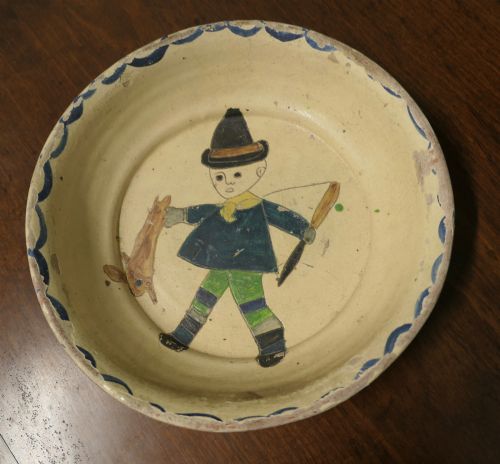
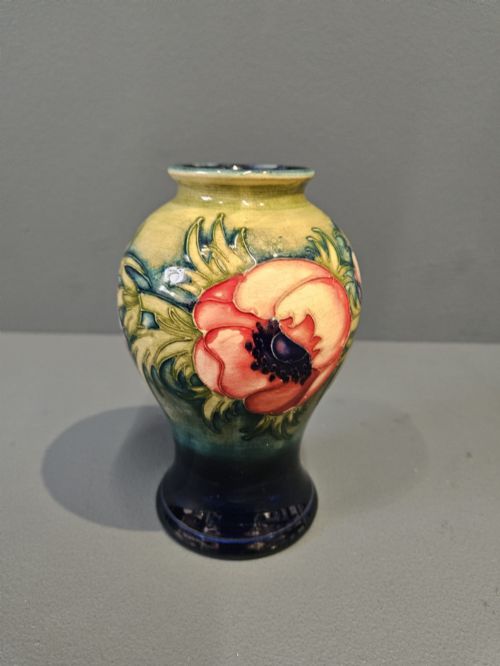
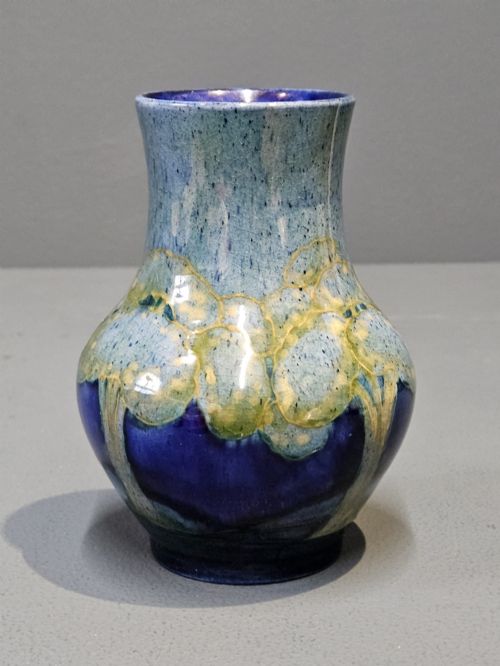
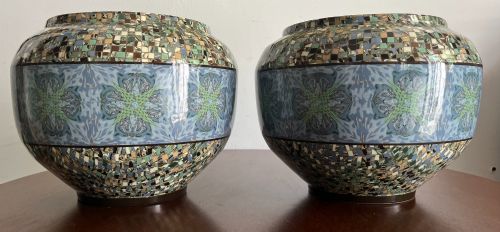
Blue ceramic art covers vessels and decorative items such as vases, jugs, bowls, and plaques produced during the nineteenth and twentieth centuries. A buyer searching this phrase encounters works from British potteries, French faience, and Japanese export traditions.
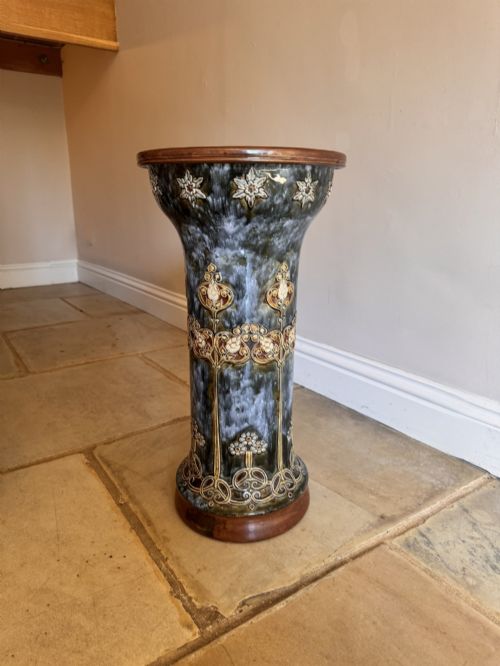
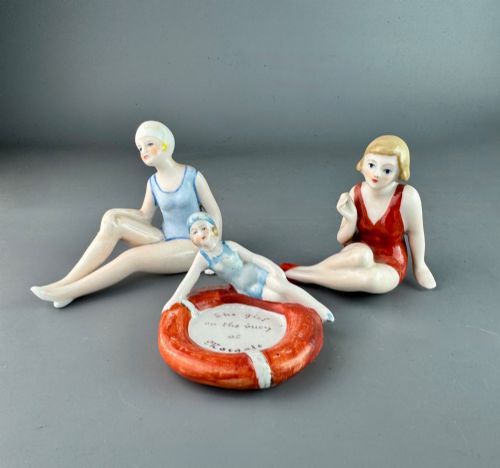
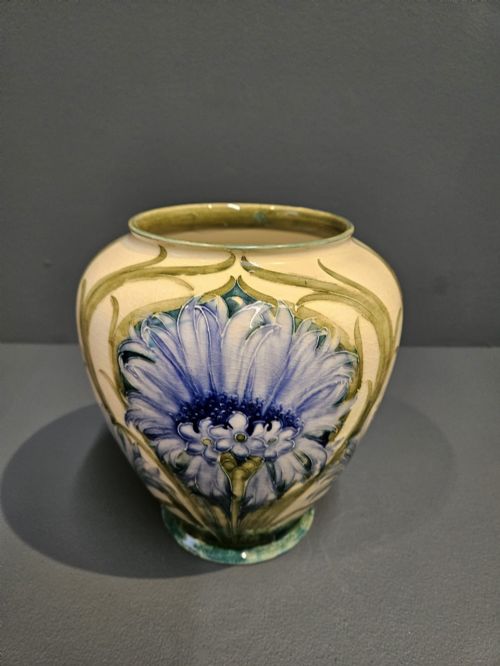
Stoneware and earthenware forms from the Victorian and Edwardian eras dominate the selection. Pieces often display specific regional styles ranging from Arts and Crafts to Art Nouveau and Japanese Imari.
The category extends beyond functional pottery to include decorative wall pieces, tiles, and studio art pottery. Many items originate from notable factories and studio potters active between eighteen eighty and nineteen thirty.
Materials and Technique
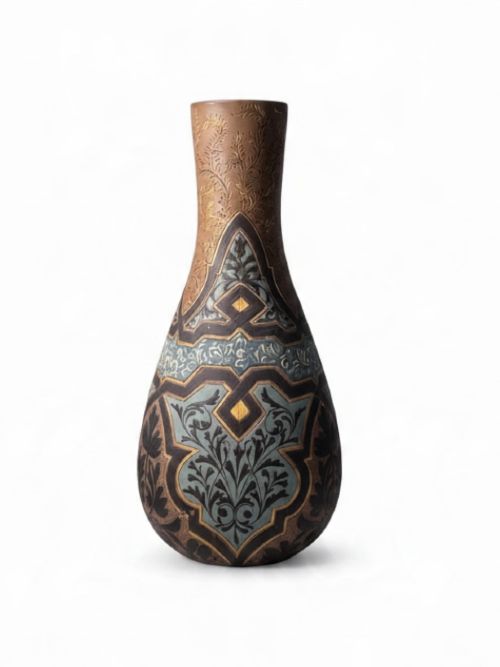
Potters utilised clay bodies including stoneware, porcelain, and earthenware, shaped on the wheel or moulded. Surfaces received glazes, enamels, and decorative techniques such as pâte-sur-pâte and incised carving.
Firing took place in kilns at varying temperatures depending on whether the medium was porous earthenware or vitrified stoneware. Pigments and glazes fused with the body during this process to create lasting coloration.
Specialised decoration involved hand-painting, transfer printing, or applied relief work by skilled artists. Lustre finishes and gold leaf accents appeared on select porcelain and earthenware creations.
Blue Ceramic Art Retail Price Guide 2026
Typical asking prices for blue ceramic art among the pieces listed under this phrase on Sellingantiques today, from the lower quarter to the upper quarter. They describe what is for sale here now, not the wider market.
Materials represented across the selection include porcelain, stoneware, earthenware, and specialised glazes.
Evaluating Quality
Quality rests upon the precision of the form and the depth of the glaze. Master potters achieved sharper relief details and more controlled colour application than commercial workshops.
Signatures, artist ciphers, and factory stamps indicate standard and studio productions. Marked pieces by named designers or prominent potteries demonstrate higher execution levels.
The complexity of the decorative technique influences the standing of a piece. Intricate incising, hand-painted pictorial scenes, and specialist lustre glazes require greater technical mastery.
Royal Doulton·Gebrüder Heubach·Moorcroft·Doulton Lambeth·Wedgwood·Lauder Pottery·Sunflower Pottery
The Blue Ceramic Art Glossary
- Stoneware
- A dense, impermeable pottery vitrified at high temperatures. It resists liquids even without glaze.
- Pâte-Sur-Pâte
- A method of ceramic decoration where successive layers of liquid clay are built up into a low relief design. The technique creates a cameo-like effect on the surface of the vessel.
- Faience
- Tin-glazed earthenware produced in France and other European regions. It provides an opaque white or coloured ground for painted decoration.
- Imari
- Japanese export porcelain decorated in underglaze blue, iron red, and gold. The style influenced Western ceramic manufacturers during the nineteenth century.
- Jardiniere
- A large ornamental pot or stand designed to hold growing plants. These vessels appeared frequently in Victorian and Edwardian interiors.
Blue Ceramic Art: Frequently Asked Questions
What is blue ceramic art?
Blue ceramic art includes glazed vessels, plates, and decorative objects made from clay, earthenware, stoneware, and porcelain. These items feature blue glazes, pigments, or decorative schemes.
The category spans the nineteenth and twentieth centuries, incorporating British studio pottery, continental faience, and Japanese export wares. Forms range from utilitarian jugs to ornamental vases and wall plaques.
How were these ceramics used?
Many ceramic pieces served decorative purposes in period interiors, displayed on mantels, tables, and walls. Vases and jardinieres held cut flowers or growing plants.
Other items functioned in daily domestic life as tableware, bowls, and jugs. Plques and tiles were incorporated directly into interior architecture and furniture.
How do I date these pieces?
Dating relies on maker marks, factory stamps, and stylistic indicators associated with periods like Victorian, Edwardian, Art Nouveau, and Arts and Crafts. Material composition and glaze types also help narrow the timeframe.
Potters often inscribed initials, registration numbers, or specific factory ciphers onto the base. Comparing these marks with historical records confirms the production era.
How do I live with blue ceramics?
Blue ceramics integrate easily into both traditional and contemporary interiors. Placing pieces in well-lit areas highlights the depth of the glazes and surface details.
Display vessels securely on stable surfaces away from high-traffic zones. Routine dusting with a soft dry cloth maintains the glaze without risking the ceramic surface.