


Blue Bedside Tables
Blue bedside tables and similar blue lighting pieces offer functional charm and rich colour to domestic spaces.
Blue Bedside Tables
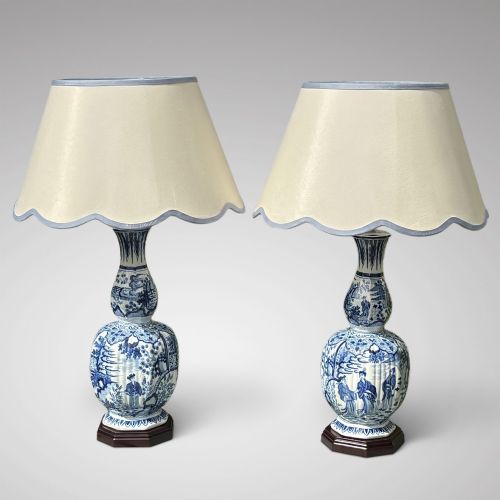
When searching for blue bedside tables, buyers encounter a mix of painted cabinets, chests of drawers, and decorative table lamps from the nineteenth and early twentieth centuries. The selection ranges from Victorian painted pine cabinets and Swedish commodes to converted porcelain, glass, and cloisonné vases utilised as lamps.
Many of the items listed under this description originate from French, English, and Scandinavian workshops alongside Asian export pieces. Buyers frequently meet pairs of lamps or matching cabinets rather than isolated examples, reflecting how these furnishings were originally produced for domestic interiors.
How they were made
Makers utilised solid woods such as pine, applying hand-painted surfaces in various shades of blue often combined with carved details. Cabinet pieces frequently incorporate faux marble tops or traditional joinery suited to daily use in bedrooms.
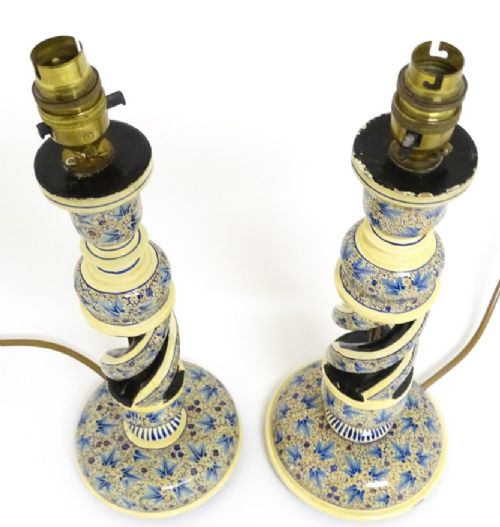
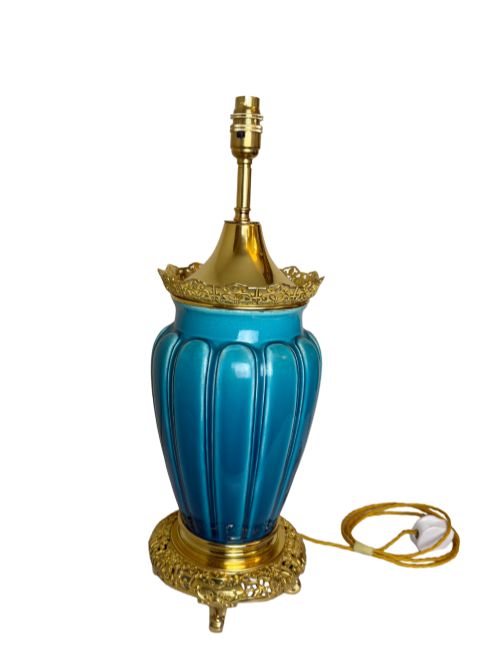
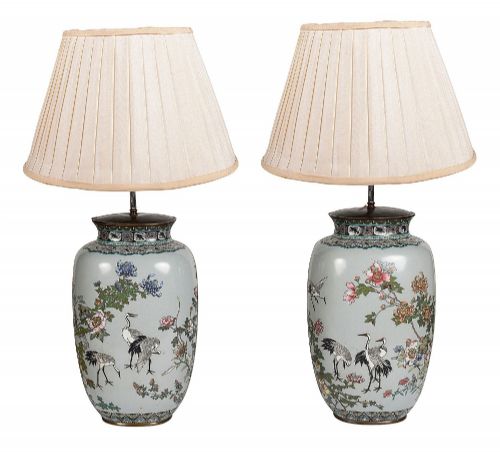
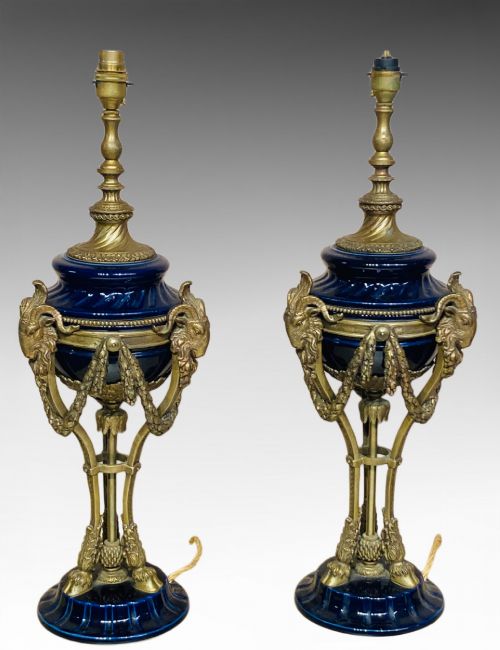
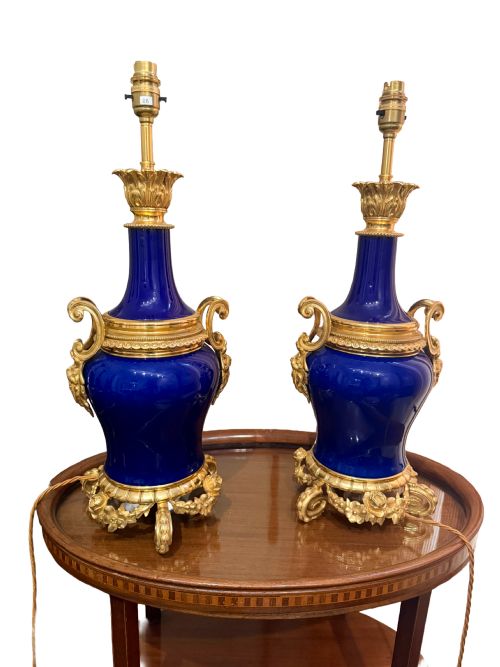
Lighting items combine ceramic, porcelain, glass, or cloisonné enamel with metal mounts in brass, gilt bronze, or ormolu. Artisans mounted these components carefully, sometimes adapting ginger jars, tobacco jars, or vases into functional electric or oil lamps.
Listings combine nineteenth-century porcelain, painted pine, and cloisonné enamel.
What varies in quality
The standard of a piece depends heavily on the crispness of the hand-painting, the retention of original surface finishes, and the weight of the metal mounts. Ormolu and gilt bronze components that retain sharp chasing distinguish finer examples from simpler production.
Material selection also dictates overall merit, particularly in porcelain bodies, cloisonné enamel work, and structural timber. Pieces that preserve their original hardware and unaltered decorative schemes demonstrate superior craftsmanship.
The Blue Bedside Tables Glossary
- Ormolu
- Gilded bronze mounts applied to furniture, clocks, and lamps. This technique originated in France and provides a bright metallic contrast to porcelain and painted wood.
- Cloisonné
- Enamelling technique where thin metal wires form compartments on a ceramic or metal base. Artisans fill these spaces with coloured paste before firing.
- Commode
- Low chest of drawers with legs, frequently associated with eighteenth and nineteenth-century French and Swedish interior design. These items serve similar functions to bedside cabinets.
- Chinoiserie
- European decorative style reflecting Chinese artistic traditions. Artisans applied these motifs to painted furniture and decorative objects during the nineteenth century.
Blue Bedside Tables: Frequently Asked Questions
How do I clean painted bedside tables?
Dust surfaces gently with a soft dry cloth to protect aged paint layers and delicate finishes.
Avoid chemical cleaning products and excessive moisture that might damage nineteenth-century timber or decorative pigments.
Are these lamps originally electrified?
Many lighting pieces began life as ceramic vases, jars, or apothecary vessels before conversion into lamps during later decades.
Wiring is typically updated for modern domestic use while retaining the antique body.
How do I identify a Gustavian chest?
Gustavian pieces display restrained Swedish neoclassical influence, often featuring pale or painted surfaces and subtle carved detailing.
Proportions remain balanced and functional, avoiding heavy ornamentation.
Can I mix different periods in a bedroom?
Pairing nineteenth-century painted cabinets with early twentieth-century lighting creates a layered interior scheme.
Matching colour palettes such as cobalt and turquoise helps unify diverse manufacturing dates.