


Blue Artwork Print
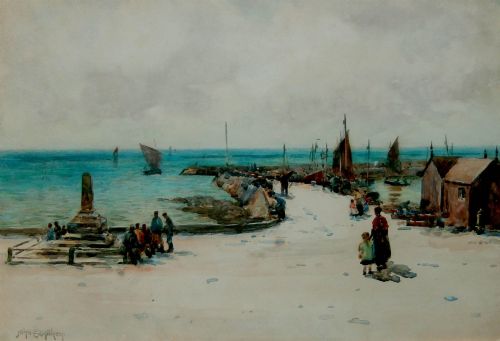
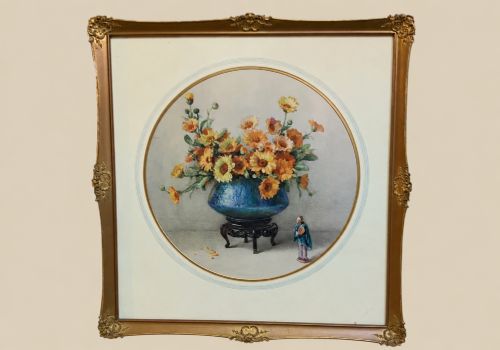
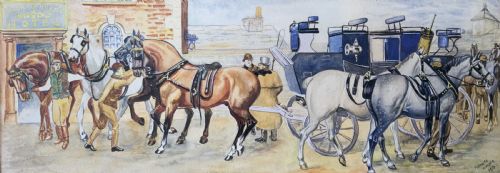
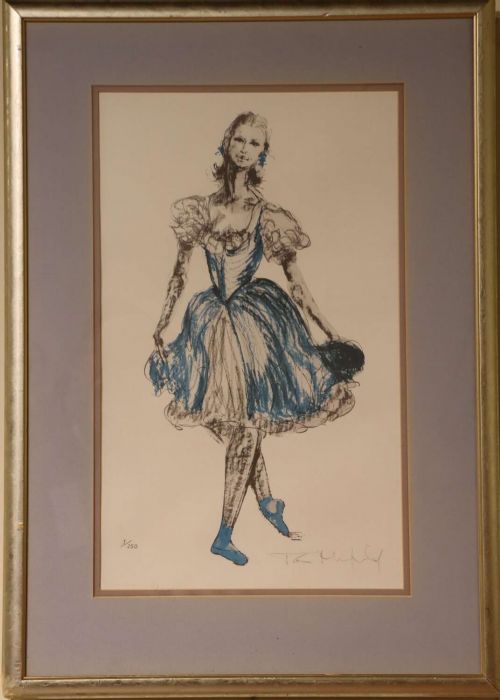
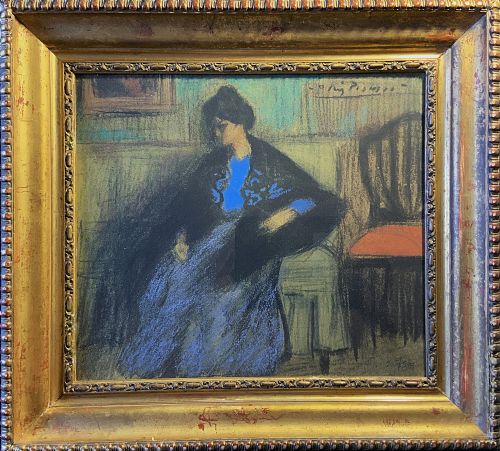
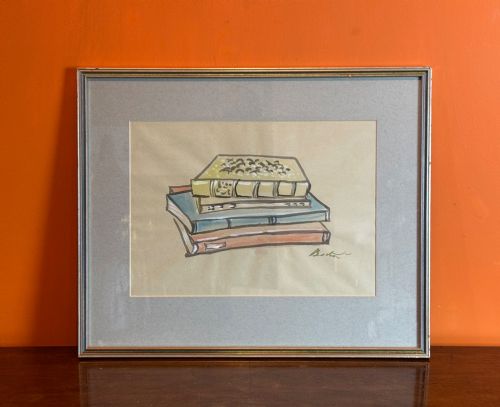
These pieces gather framed watercolours, woodblock prints, and lithographs across various centuries, offering a way to bring historical illustration and painting into a room.
Blue Artwork Print
A blue artwork print search surfaces a varied group of historical works on paper, canvas, and board spanning the eighteenth century through the mid-twentieth century.
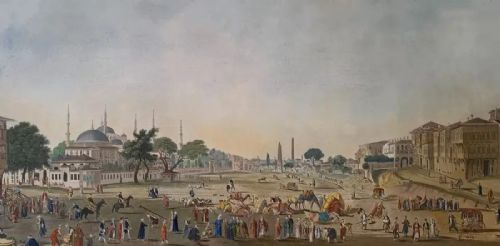
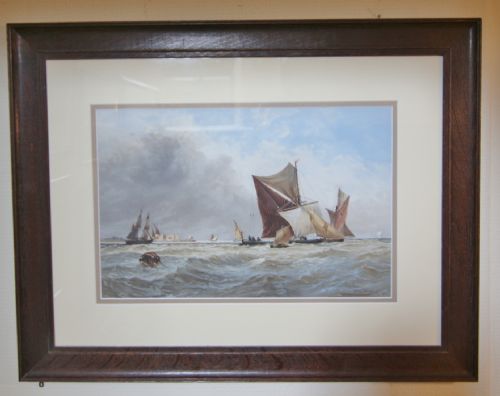
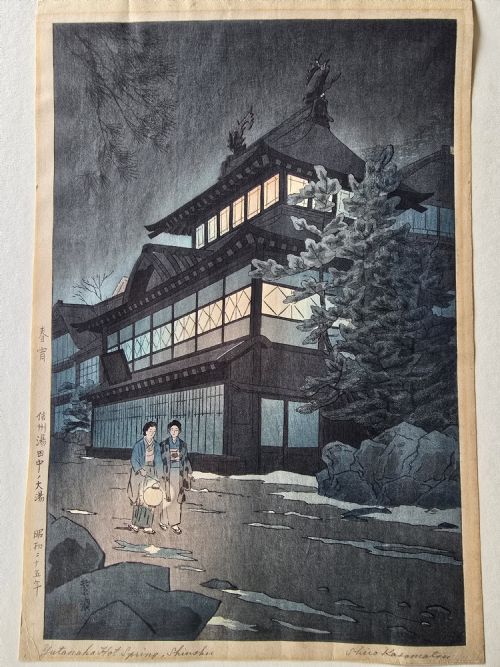
The selections encountered on this page range from early twentieth-century Japanese woodblock prints and Art Deco lithographs to nineteenth-century maritime watercolours and architectural plans.
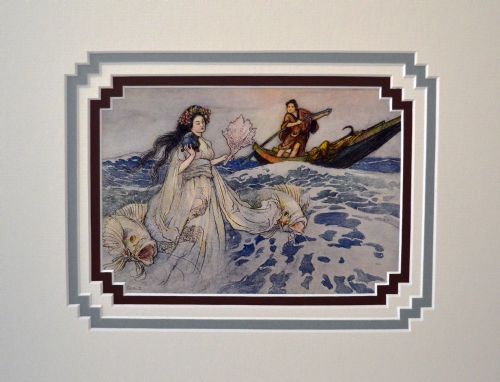
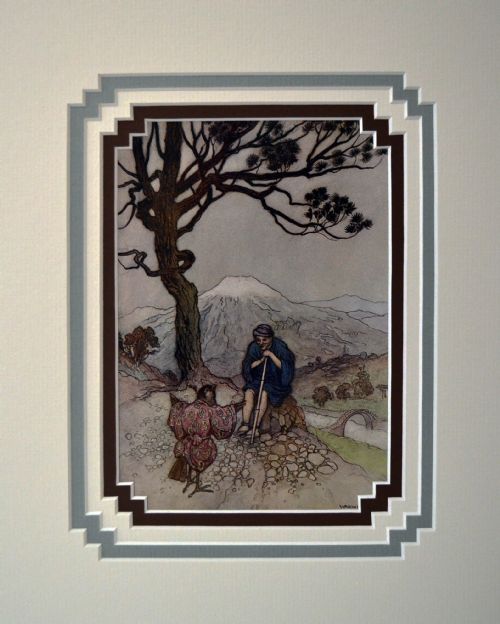
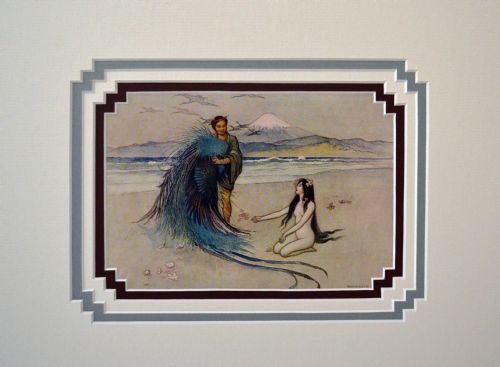
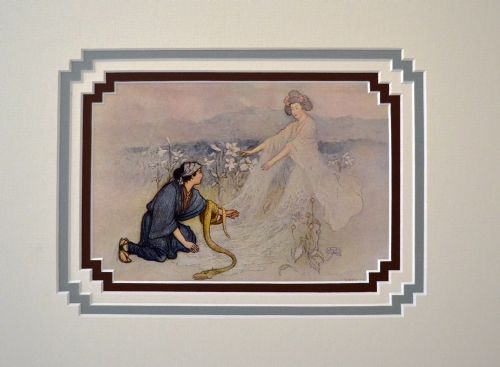
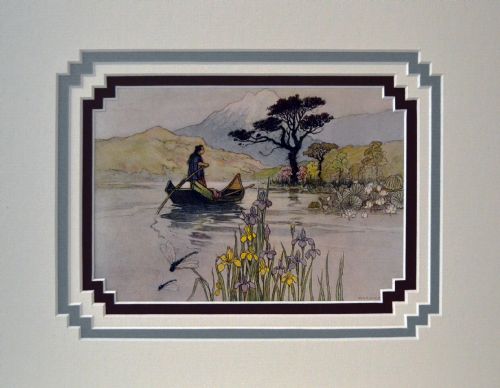
Makers and artists represented include named figures like Shiro Katamatsu and Warwick Goble alongside anonymous illustrators and topographical painters.
Materials and construction methods
Works in this category rely heavily on paper, ink, and watercolour, frequently complemented by glass and wood frames.
Techniques span hand-painted watercolours, lithography, collotype printing, aquatint engraving, and coloured woodblock printing as recorded across the periods.
Many items incorporate auxiliary supports such as oak framing, board, and gilt wood surrounds to protect and present the primary image.
Listings feature works from the eighteenth century, Victorian era, Edwardian period, and mid-century modern movements.
Assessing quality in historical works
Quality rests on the clarity of the printed impression or the delicacy of the brushwork, distinguishing confident hand-applied pigment from flat mechanical reproduction.
The integrity of the original support material and the preservation of the surface pigment significantly influence the overall standard of each item.
Shiro Katamatsu·Warwick Goble·Alfred Young Nutt·John E Aitken·Anton Ignaz Melling·TB Hardy·John Meredith·Pablo Picasso·Cecil Beaton·George F Pennington·Gabriel Dauchot·Gino Severini·James William Booth·Joseph Farrington RA·Joseph Constantine Stadler·Jean Hardy·Edith E Caswall·A Winter Shaw·Frank Wood·Matisse·Arthur Wardle
The Blue Artwork Print Glossary
- Lithograph
- A print produced by drawing or painting on a flat stone or metal plate with a greasy substance so that ink adheres only to the design. This technique allowed for faithful reproductions of original drawings.
- Woodblock print
- An image created by carving a design into a block of wood, applying pigment to the raised areas, and pressing it onto paper. It is a traditional method seen frequently in Asian and European printmaking.
- Aquatint
- An intaglio printmaking technique that produces tonal effects by using acid to etch the copper plate before printing. It often resembles the appearance of a watercolour wash.
- Collotype
- A planographic printing process that uses gelatin and light-sensitive dichromate to produce continuous-tone reproductions without a screen. It yields remarkable detail and depth in vintage photographic and artistic prints.
- Pochoir
- A stencil-based printing method used to apply hand-coloured layers of pigment to a print. It produces vibrant colours particularly associated with Art Deco graphics.
Blue Artwork Print: Frequently Asked Questions
How should I hang a framed paper print?
Keep framed pieces away from direct sunlight to prevent the ink or watercolour pigments from fading over time. Maintaining a stable room temperature also protects the paper and wooden frames from warping.
Ensure the wall fixings match the weight of the frame, especially for larger nineteenth-century watercolours or works set behind heavy glass.
What is the difference between a watercolour and a lithograph?
A watercolour is a unique painting created by hand using water-soluble pigments on paper. Each brushstroke is original and exists in a single example.
A lithograph is a printed multiple produced from a prepared plate or stone, allowing for a run of identical images while retaining the fine lines of the original composition.
How do I identify the period of an antique print?
Examine the paper type, plate marks, typography, and framing methods used on the piece. Older papers often display distinct watermarks and heavier laid textures.
Stylistic cues within the imagery, such as Victorian costume or Art Deco geometry, provide further clues to the decade of production.
Can I reframe older watercolours safely?
Professional framing using acid-free mount board protects delicate paper and prevents age discolouration from spreading inward. Retaining original period frames is often preferred if they are structurally sound and historically matched to the artwork.
Consult a conservator before removing any historical backing paper or seals attached by past framers or galleries.