



Blue and White Ceramic Tray
A blue and white ceramic tray brings cobalt decoration and functional form to the table, spanning centuries of pottery traditions.
Blue and White Ceramic Tray
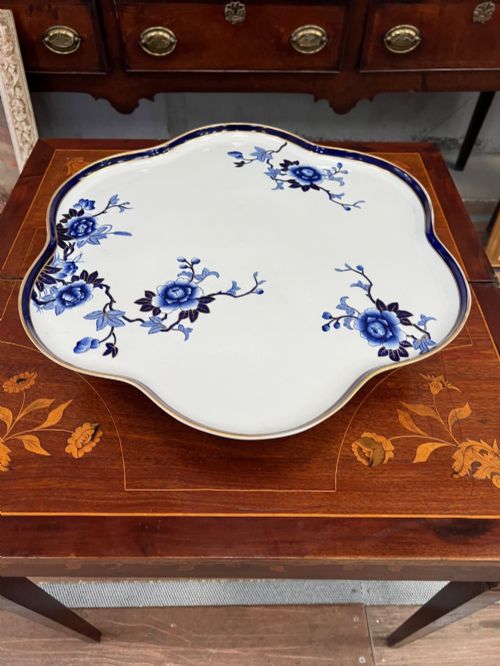
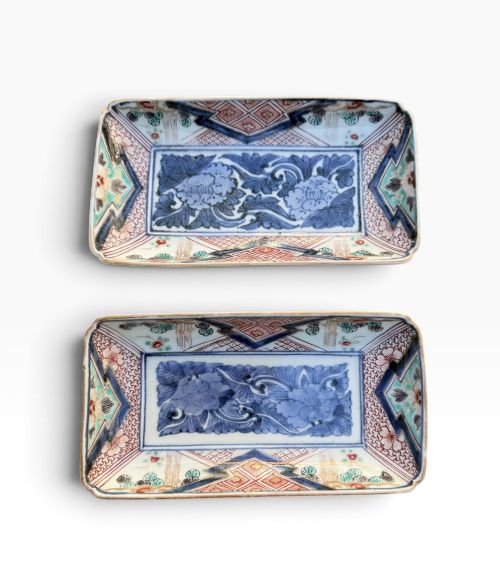
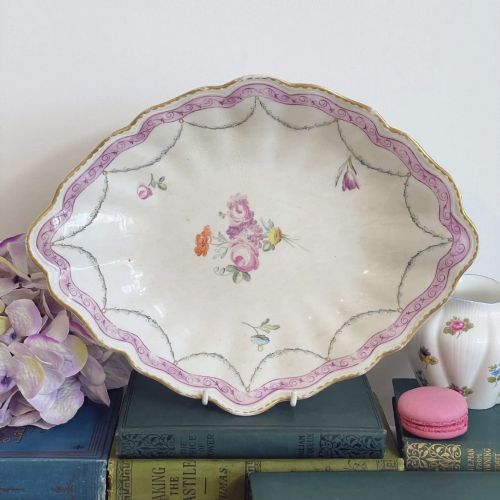
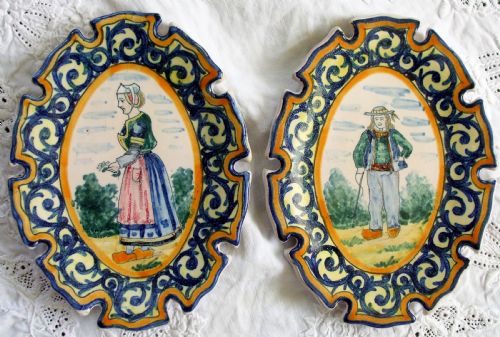
A blue and white ceramic tray encompasses serving platters, meat dishes, pickle dishes, and spoon trays spanning the seventeenth through the nineteenth centuries. These utilitarian and decorative objects appear in earthenware, porcelain, pearlware, ironstone, and faience, originating from English potteries, French workshops, Dutch kilns, and Japanese export houses.
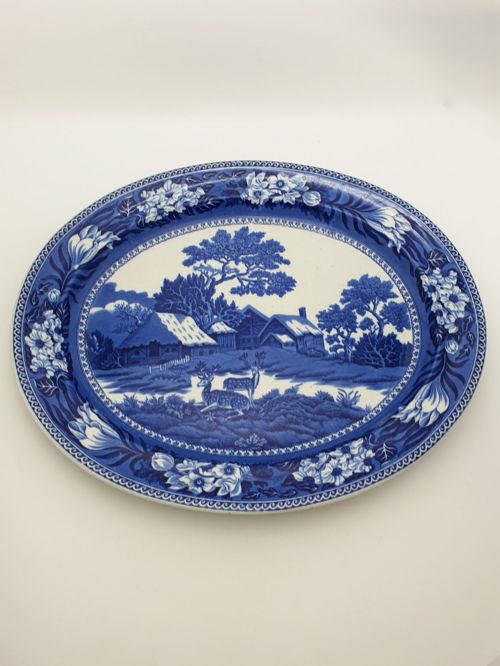
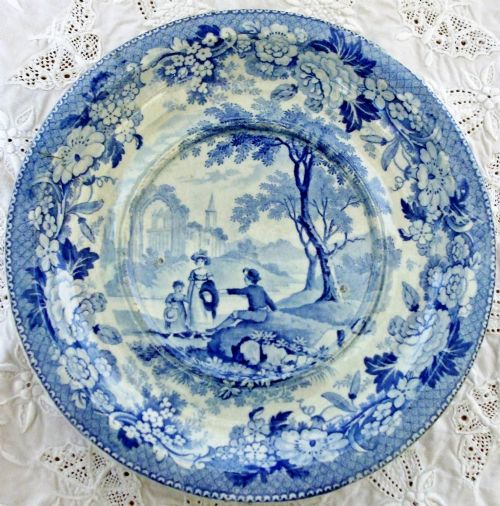
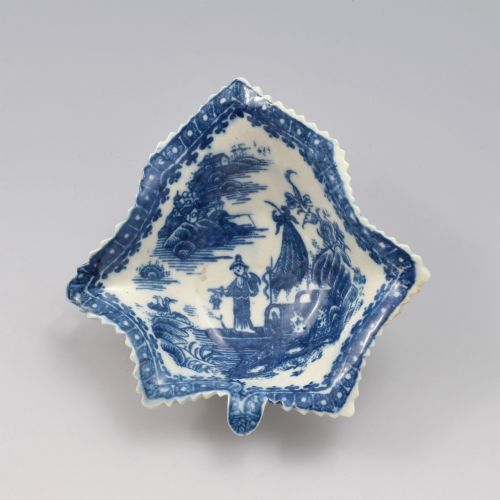
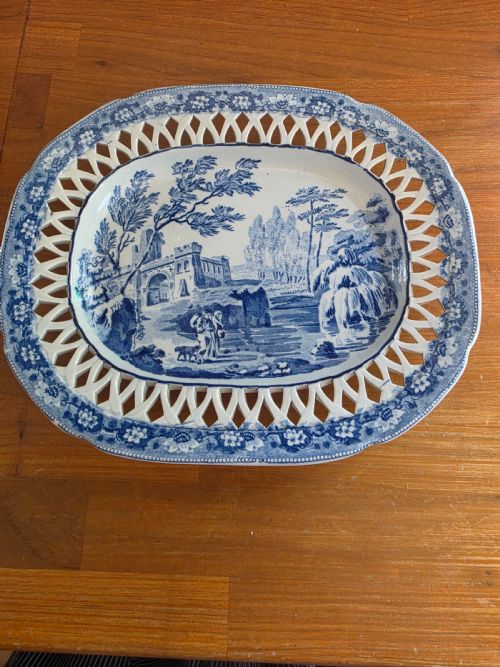
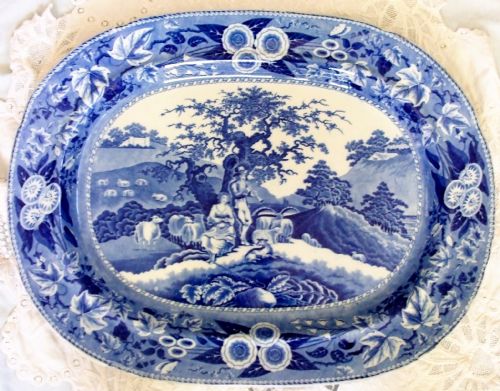
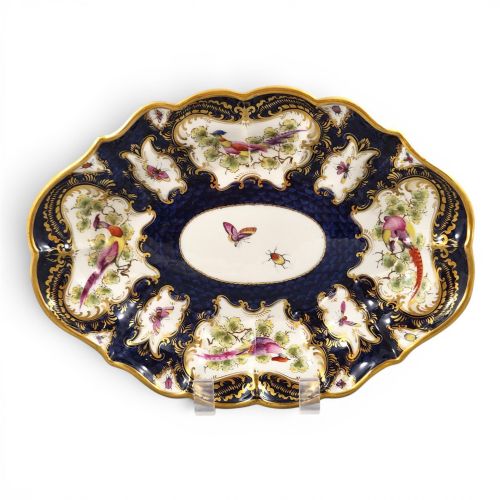
The buyer most frequently encounters nineteenth-century English transfer-printed earthenware meat platters and serving dishes on this page. Pieces range from large Georgian and Victorian platters bearing pastoral or classical transfer scenes to smaller eighteenth-century porcelain pickle dishes and nineteenth-century Dutch delft inkstands.
How they were made
Potters shaped these trays from earthenware, ironstone, pearlware, or porcelain, sometimes applying fretted, pierced, or moulded borders by hand. Cobalt blue pigment provided the underglaze decoration, applied either through freehand brushwork or via copperplate transfer printing onto the biscuit body before glazing.
Glazing sealed the ceramic surface, followed by high-temperature firing in kilns to vitrify the body and fix the cobalt blue colour. Some pieces incorporate additional handpainted polychrome enamels, gold leaf, or brass mounts alongside the primary blue and white glaze.
Blue and White Ceramic Tray Retail Price Guide 2026
Typical asking prices for blue and white ceramic tray among the pieces listed under this phrase on Sellingantiques today, from the lower quarter to the upper quarter. They describe what is for sale here now, not the wider market.
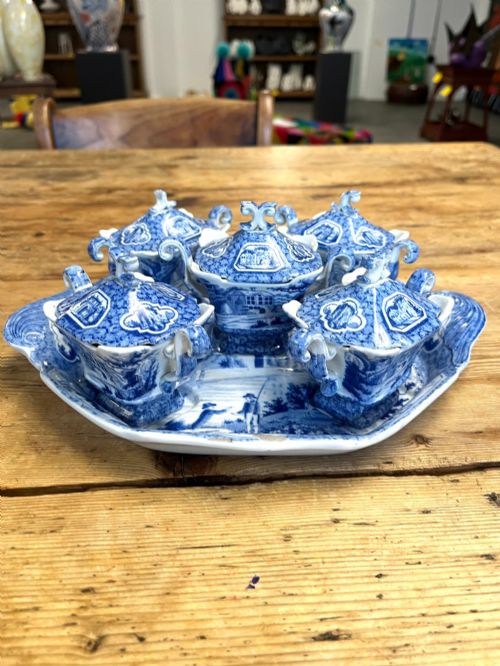
Object forms range from large meat platters and soup tureen stands down to delicate spoon trays, inkwells, and pickle dishes.
What varies in quality
Quality rests upon the crispness of the cobalt transfer print or the fluency of the handpainted brushwork. Superior pieces display deep, uniform cobalt tones without blurring, smudging, or dry patches in the glaze.
The refinement of the ceramic body and the intricacy of moulded or pierced details separate standard production items from exceptional factory output. Well-executed forms maintain balance and symmetry, retaining clear factory marks on the underside.
Davenport·Royal Worcester·Minton·Spode·Copeland and Garrett·Don Pottery·Thomas Lakin
The Blue and White Ceramic Tray Glossary
- Transfer printing
- A method of decorating ceramics by engraving a design on a copper plate, pulling an impression on tissue paper, and transferring it onto the unglazed clay body. This technique allowed intricate patterns like pastoral scenes and Chinoiserie motifs to be produced consistently.
- Pearlware
- A refined earthenware developed by Josiah Wedgwood in the late eighteenth century featuring a thin, slightly bluish-tinted glaze that pooled in recesses to make the ceramic body appear whiter. It served as a popular substrate for blue and white transfer-printed tableware.
- Faience
- European tin-glazed earthenware produced with an opaque white glaze that received painted decoration before firing. It yields a soft body and distinctive surface texture.
- Ironstone
- A heavy, durable type of earthenware patented in the nineteenth century to imitate porcelain. It resists chipping and provided a sturdy ground for large meat platters and serving dishes.
- Well and tree
- A feature incorporated into meat platters consisting of channels and a small well designed to collect meat juices during carving. It represents a specialised form found on large Victorian dining services.
Blue and White Ceramic Tray: Frequently Asked Questions
How were ceramic trays used?
These pieces served functional roles at the dining table for presenting meats, vegetables, sauces, and desserts. Smaller trays functioned as spoon rests, pin dishes, or desktop inkstand components.
Over time, many transitioned from working tableware to decorative cabinet pieces or wall displays due to their intricate cobalt patterns.
How do I date a blue and white tray?
Dating relies on examining the ceramic body, the manufacturing marks on the base, and the style of the transfer-printed or handpainted pattern. Earlier pieces from the eighteenth century often feature soft-paste porcelain or pearlware bodies with hand-drawn designs.
Nineteenth-century examples typically employ heavier ironstone or refined earthenware stamped with factory ciphers or registry diamond marks.
Can I use these antique trays for serving food?
Most antique ceramic trays remain structurally sound for serving dry foods or presentation purposes. However, crazing in the historic glaze can absorb liquids and stains over time.
Hand washing in warm water protects the fragile glaze and prevents nineteenth-century ironstone or earthenware from sustaining thermal shock or damage.
What is the difference between earthenware and porcelain trays?
Earthenware provides a porous, opaque ceramic body that requires an opaque or clear glaze to seal the surface, typical of heavy Victorian meat platters. Porcelain utilises fine-grained ingredients fired at higher temperatures to create a vitrified, translucent body.
Porcelain trays feel lighter and more resonant when tapped, whereas earthenware offers a heavier and more robust structure.