



Blue and White Ceramic Holder
These blue and white ceramic holder examples span centuries of kiln craft, offering functional utility and classic cobalt decoration for the collector.
Blue and White Ceramic Holder
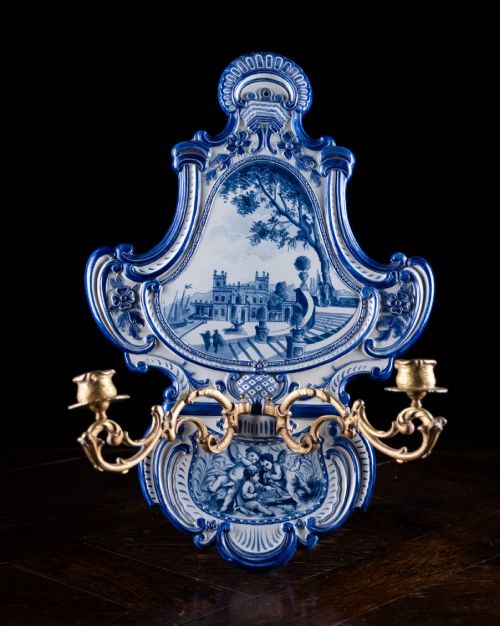
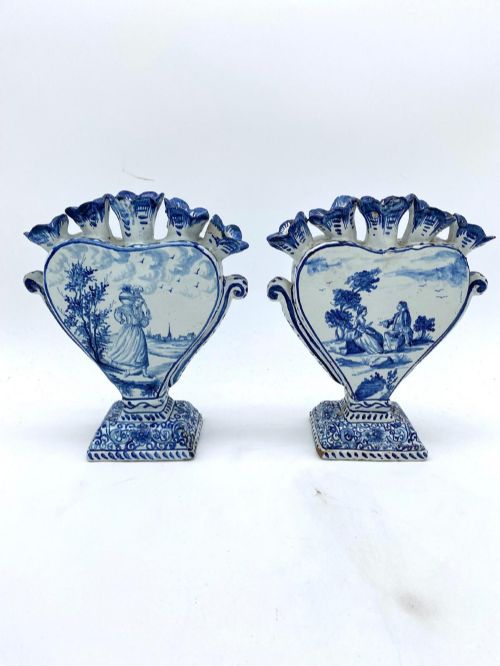
A blue and white ceramic holder encompasses diverse functional vessels designed to contain objects like brushes, pens, flowers, or tapers. When exploring this category, buyers encounter forms ranging from scholars' brush pots and inkstands to tulipieres, candlesticks, and watch-holders.
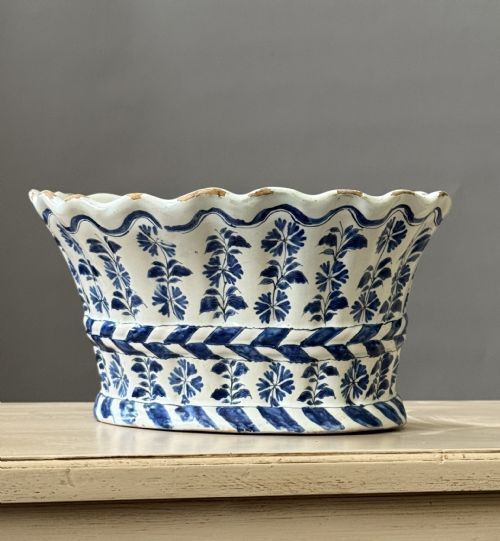
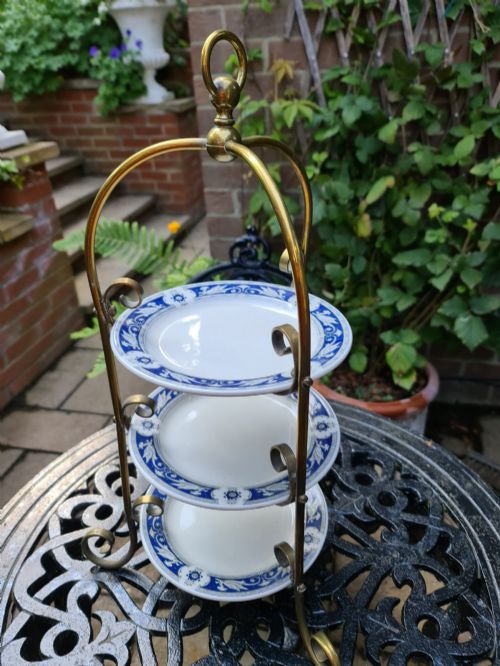
The pieces originate from varied cultural traditions, including English Staffordshire potteries, Dutch Delftware workshops, Qing Dynasty Chinese kilns, and French faience factories. Domestic items such as cake stands, jardiniere planters, and desk accessories also appear within the selection.
Dating spans from the seventeenth century through the Victorian era and into the early twentieth century, reflecting shifting domestic habits and international trade patterns. The common thread uniting these objects is their ceramic body and cobalt pigment application.
Materials and production methods
Makers utilised ceramic bodies such as porcelain, tin-glazed earthenware, and ironstone, often finished with a glossy glaze to seal the porous clay. Some items incorporate auxiliary materials like brass fittings or gold leaf highlights to accent the primary ceramic structure.
Cobalt oxide provided the pigment for the characteristic blue decoration, applied by hand beneath or over the glaze before firing in high-temperature kilns. Moulding, throwing on the wheel, and hand-painting defined the manufacturing processes across European and Asian workshops.
Blue and White Ceramic Holder Retail Price Guide 2026
Typical asking prices for blue and white ceramic holder among the pieces listed under this phrase on Sellingantiques today, from the lower quarter to the upper quarter. They describe what is for sale here now, not the wider market.
Listings feature items spanning the seventeenth, eighteenth, and nineteenth centuries, alongside Edwardian and Art Deco examples produced in ceramic, porcelain, and tin-glazed earthenware.
Distinctions in quality
Quality rests upon the crispness of the cobalt painting, the precision of the ceramic moulding, and the preservation of the glaze. Finer pieces display confident brushwork and balanced proportions that reflect the skill of the original workshop or potter.
Condition and age integrity separate standard utilitarian wares from superior decorative examples, particularly where original lids, covers, or matched pairs remain intact. The clarity of historical marks and the refinement of the clay body further distinguish the upper tier of objects.
William Adams and Sons·Masons Ironstone·Cantagalli·Wedgwood
The Blue and White Ceramic Holder Glossary
- Bitong
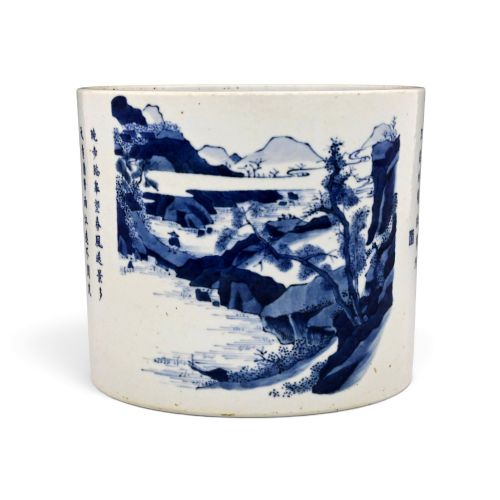
- A type of cylindrical brush pot originating from China, used by scholars to hold writing implements. These vessels are typically carved from porcelain or bamboo.
- Delftware
- Tin-glazed earthenware produced in the Netherlands and England, imitating Chinese porcelain. It is known for its opaque white background and blue painted motifs.
- Tulipiere
- A vessel designed with multiple spouts to display tulip stems individually. This form became popular in Europe during the seventeenth and eighteenth centuries.
- Jasperware
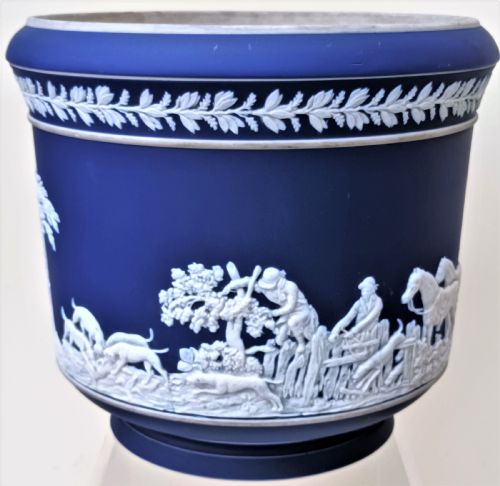
- A type of vitreous stoneware developed by Josiah Wedgwood, characterised by a matte surface and moulded white relief decorations against a coloured ground.
- Tin-Glazed Earthenware
- Pottery covered with a glaze containing tin oxide, which turns opaque white during firing. It provides a smooth surface for hand-painted decoration.
Blue and White Ceramic Holder: Frequently Asked Questions
What is a brush pot?
A brush pot is a rigid cylindrical vessel used historically by scholars and scribes to store writing brushes upright. These containers protect the delicate tips of calligraphy tools while keeping them accessible on a desk.
In the marketplace, these items appear in ceramic and porcelain materials featuring blue and white decoration, originating from various Asian and European kilns.
How were antique holders used?
Antique holders served specific domestic and scholarly functions, ranging from containing inkwells and quills to displaying cut flowers or holding pocket watches. Each form was tailored to the daily routines of past households.
Owners placed them on writing desks, mantelpieces, and dining tables as both utilitarian implements and decorative room accents.
How do I date a ceramic holder?
Dating relies on examining the potting technique, the composition of the ceramic body, the style of the cobalt decoration, and any factory marks stamped or painted on the base. Comparing these traits with established historical periods helps narrow the origin.
Stylistic cues such as Victorian moulding or Qing Dynasty motifs offer reliable clues to a piece's era of manufacture.
How should I clean my ceramic holder?
Cleaning requires gentle dusting with a soft cloth or washing in lukewarm water with mild soap if the glaze is stable and free from cracks. Harsh abrasives and chemical cleaners must be avoided to protect the historic glaze and pigment.
Porcelain and glazed earthenware generally tolerate careful washing, but items with delicate applied elements or exposed earthenware bodies need extra caution.