



Blue and White Bottle
A blue and white bottle brings cobalt decoration to domestic interiors through centuries of global ceramic and glass traditions.
Blue and White Bottle
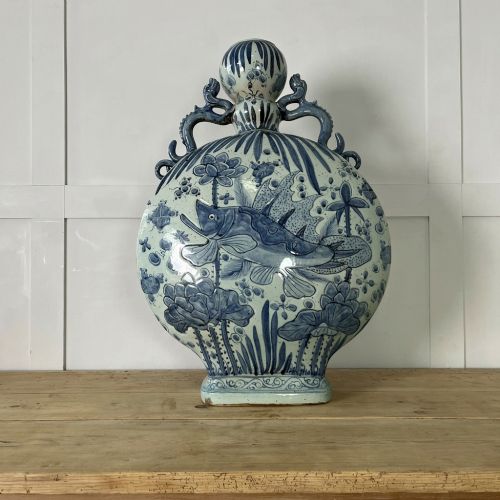
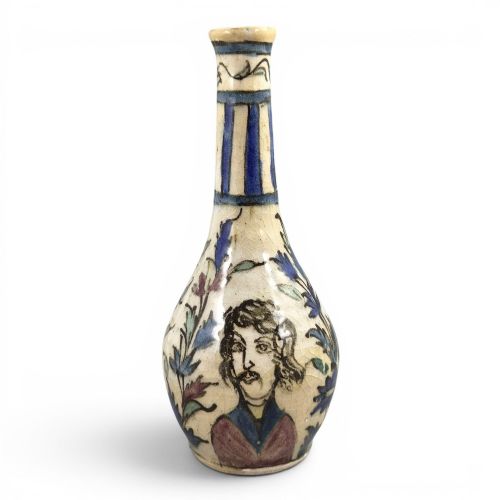
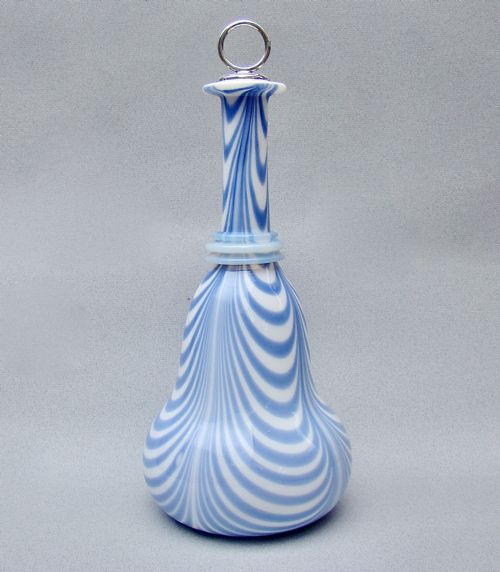
A blue and white bottle encompasses a broad range of vessels, from apothecary jars and pharmacy containers to decorative vases, decanters, and snuff bottles. These objects serve both utilitarian storage functions and ornamental display roles across centuries of production.
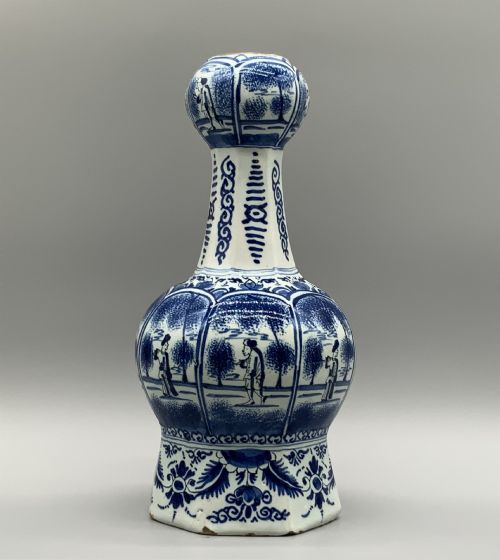
The selections available here lean heavily toward historical ceramics and glassware, featuring forms originating from Chinese kilns, European Delftware potteries, and English glasshouses. Collectors encounter everything from tall garlic-mouth vases to small pocket snuff canisters.
Originating from periods spanning the seventeenth century through to the art deco era, these items reflect diverse regional aesthetics including Qing dynasty porcelain, Italian majolica, and Victorian glassware.
How they were made
Makers utilised porcelain, tin-glazed earthenware, faience, and glass as the primary physical substrates for these vessels, shaping them on the potter's wheel or blowing them into moulds. The structural bodies range from dense high-fired ceramic clays to translucent potash and lead glass compositions.
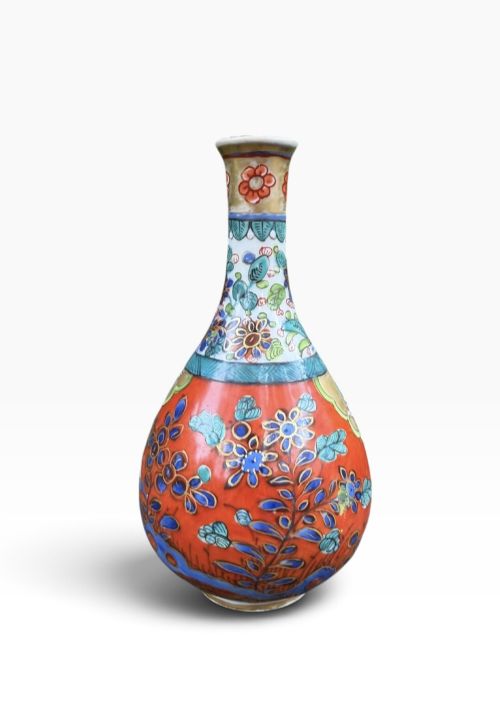
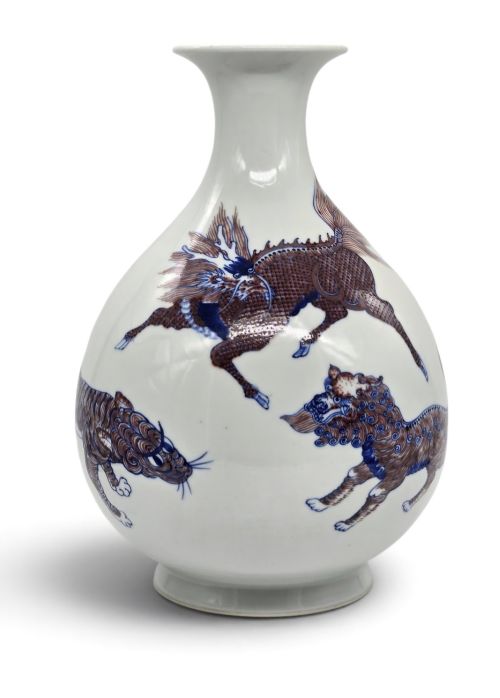
Decoration relies on cobalt oxide and cobalt glaze applied directly to the raw clay or glass surface before firing, often sealed beneath transparent lead or alkali glazes. In several instances, secondary pigments such as copper-red or enamel overlays enhance the primary blue schemes.
Blue and White Bottle Retail Price Guide 2026
Typical asking prices for blue and white bottle among the pieces listed under this phrase on Sellingantiques today, from the lower quarter to the upper quarter. They describe what is for sale here now, not the wider market.
Secret erotic scenes painted inside imperial snuff bottles allowed nineteenth-century owners to conceal private art within pocket-sized containers.
What varies in quality
Quality rests primarily on the crispness and control of the cobalt painting, distinguishing confident, fluid brushwork from rigid or muddy pigment application. Superior examples demonstrate deep tonal variation within the blue pigment, achieved through precise kiln temperature management.
The finesse of the physical form also dictates value, where perfectly balanced neck proportions, even wall thickness, and undisturbed glaze surfaces separate master production from utilitarian output.
The Blue and White Bottle Glossary
- Albarello
- A type of majolica or delftware drug jar designed to hold pharmaceutical ointments and dry drugs. These cylindrical ceramic vessels typically feature an indented waist for easier handling with linen-covered grips.
- Clobbered
- A process where older imported blue and white porcelain receives subsequent overglaze enamel painting in European workshops. This decorative addition introduces contrasting colours over the original cobalt design.
- Faience
- European tin-glazed earthenware produced primarily in France, Italy, and the Netherlands. The porous clay body receives an opaque white tin glaze that accepts painted cobalt decoration.
- Majolica
- Italian tin-glazed pottery noted for colourful or monochrome painted decoration. Seventeenth-century examples often display pharmaceutical inscriptions alongside floral motifs.
- Underglaze
- Pigment applied directly to the ceramic body before the application of a transparent glaze and subsequent high-temperature firing. This technique protects the cobalt decoration from wear during centuries of use.
Blue and White Bottle: Frequently Asked Questions
How do I date a blue and white bottle?
Dating relies on identifying the specific material composition, glaze characteristics, and potting techniques associated with known manufacturing centres. Stylistic markers such as reign marks, shape profiles, and footring construction provide further chronological reference points.
Examinations of wear patterns and pigment behaviour under magnification help confirm the historical period of production against known benchmark pieces from similar eras.
What is the difference between porcelain and delftware?
Porcelain is a vitrified ceramic made from kaolin and petuntse fired at extremely high temperatures, resulting in a dense, non-porous, and frequently translucent body. Delftware is a tin-glazed earthenware utilising a softer, porous clay body covered in an opaque white glaze.
While both support blue cobalt painting, porcelain rings when struck and resists liquid absorption without glaze, whereas earthenware requires its tin-glaze coating to remain water-tight.
How were apothecary bottles used historically?
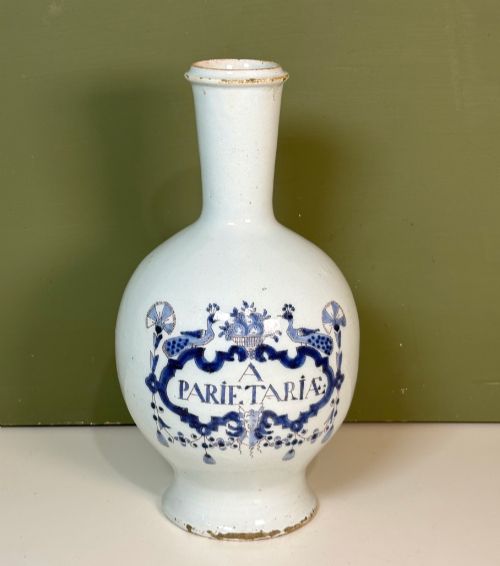
Apothecary bottles and albarelli held dried herbs, liquid medicines, syrups, and chemical compounds in institutional dispensaries and apothecary shops. Their distinct labels and painted abbreviations instructed compounders on contents.
These containers sat on pharmacy shelves or within wooden chest interiors, designed for daily medicinal retrieval by physicians and apothecaries.
How should I clean antique glass bottles?
Antique glass requires gentle cleaning with warm water and mild soap, avoiding abrasive cloths or harsh chemical solvents that might damage delicate surface patinas or applied labels. Immersion should be avoided if metal mounts or old paper labels are present.
Internal mineral deposits respond best to soft bottle brushes utilised without force against fragile historical glass walls.