






Blue and Red Bowl
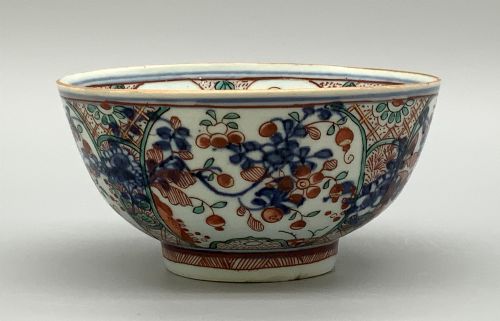
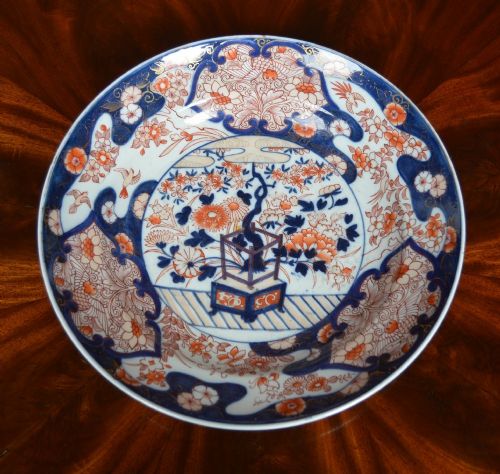
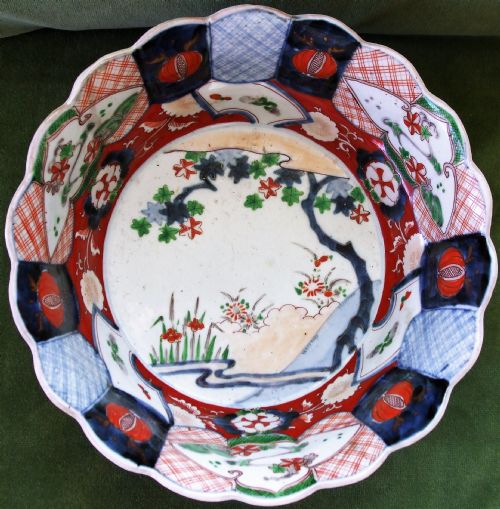
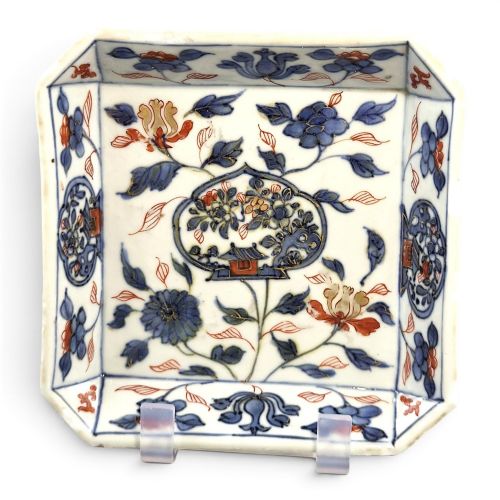
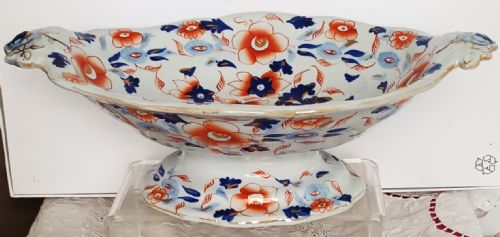
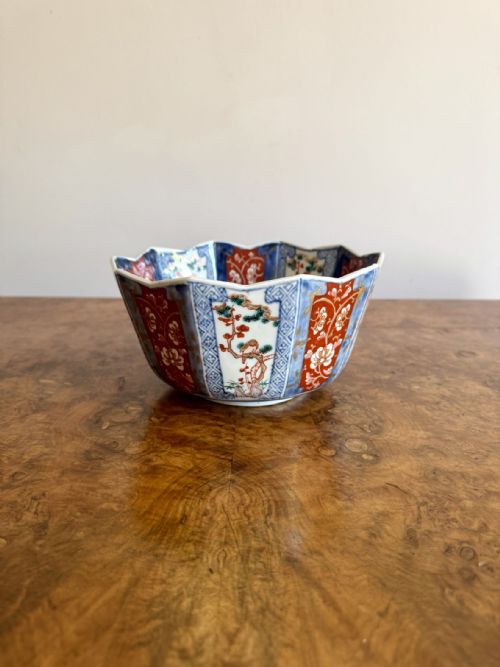
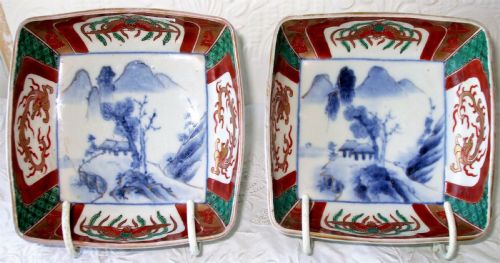
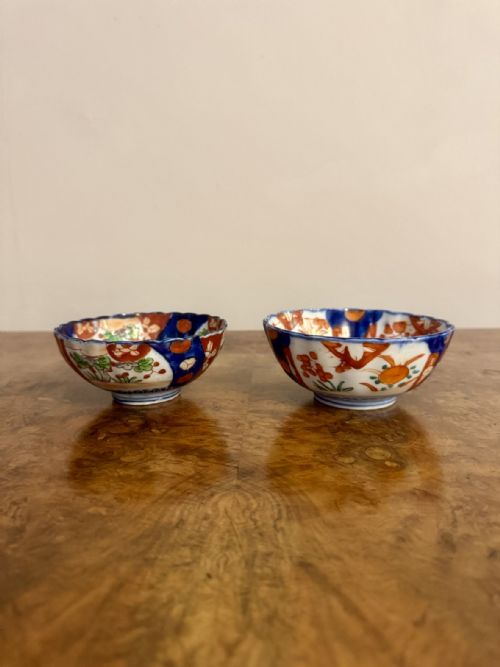
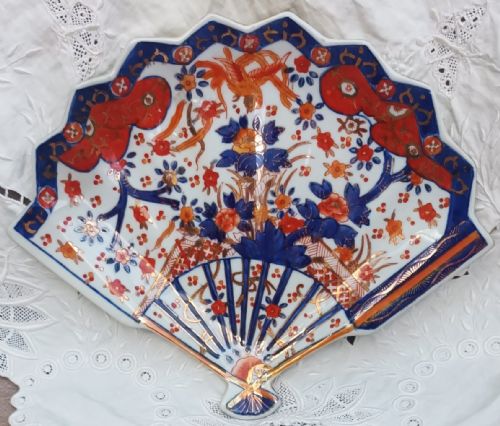
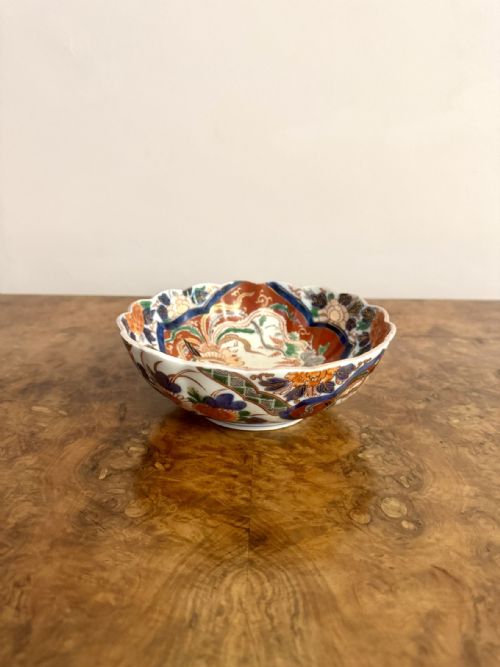
A blue and red bowl brings centuries of export artistry into the room, combining ironstone, porcelain and earthenware with distinct hand-painted palettes.
Blue and Red Bowl
When searching for a blue and red bowl, collectors encounter a diverse range of decorative tableware, serving dishes and display pieces spanning several centuries.
The selections on this page lean heavily towards Japanese Imari and Chinese export porcelain created during the Edo, Meiji, Kangxi and Georgian periods.
Vessels take many forms, from simple scallop-edge bowls and plates to deep lobed serving dishes, hexagonal shapes and footed comports.
How they were made
Potters shaped ceramic and porcelain bodies before applying intricate underglaze blue and contrasting red enamel pigments by hand.
Many items incorporate additional highlights of gold leaf, gilt and gilding to enhance the rich visual depth of the painted surface.
Blue and Red Bowl Retail Price Guide 2026
Typical asking prices for blue and red bowl among the pieces listed under this phrase on Sellingantiques today, from the lower quarter to the upper quarter. They describe what is for sale here now, not the wider market.
Listings span several eras, encompassing 17th-century Kangxi and Genroku periods alongside 18th-century Chinese export, Victorian and Edwardian productions.
What varies in quality
Execution of the painted design separates standard decorative wares from exceptional examples, with finer pieces showing crisper brushwork and more harmonious colour balance.
The complexity of the vessel moulding, such as fluted, lobed or chamfered edges, also dictates the overall standard of the finished object.
Royal Crown Derby·Royal Davenport
The Blue and Red Bowl Glossary
- Imari
- A style of Japanese export porcelain characterised by a distinctive palette of underglaze blue, iron red and gilt highlights. These wares were shipped extensively to Europe from the port of Imari.
- Kangxi
- A period of Chinese imperial history spanning the late 17th and early 18th centuries known for exceptional porcelain production. Pieces from this era often display vibrant cobalt blue and enamelled iron red tones.
- Comport
- A decorative raised dish or bowl used historically for serving fruit or sweetmeats at the table. They frequently stand on a central foot.
- Jardiniere
- An ornamental ceramic pot or bowl designed to hold plants or floral arrangements. They appear in various sizes across multiple historic periods.
- Chamfered
- Having a symmetrical sloping edge cut at an angle to standard right-angle corners. This technique is often seen on square or polygonal bowls.
Blue and Red Bowl: Frequently Asked Questions
What is an Imari bowl?
An Imari bowl is a ceramic or porcelain vessel traditionally decorated in Japan using a palette of cobalt blue, iron red and gold.
These pieces were produced for both domestic use and export to Western markets from the 17th century onwards.
How old are these bowls?
The pieces available range from 17th-century Chinese and Japanese exports to Victorian and Edwardian European interpretations.
Dates are established through stylistic markers, potting techniques and historical trade periods.
How were blue and red bowls used?
Historically, these vessels served as functional tableware for serving food, displaying fruit or presenting tea.
Many larger examples were also made specifically for decorative display on cabinets, walls or mantelpieces.
How do I care for antique porcelain?
Antique porcelain and enamel wares require gentle hand washing in lukewarm water with mild soap.
Avoid abrasive sponges or harsh chemicals to protect the delicate surface gilding and painted pigments.