






Blue and Orange Plate
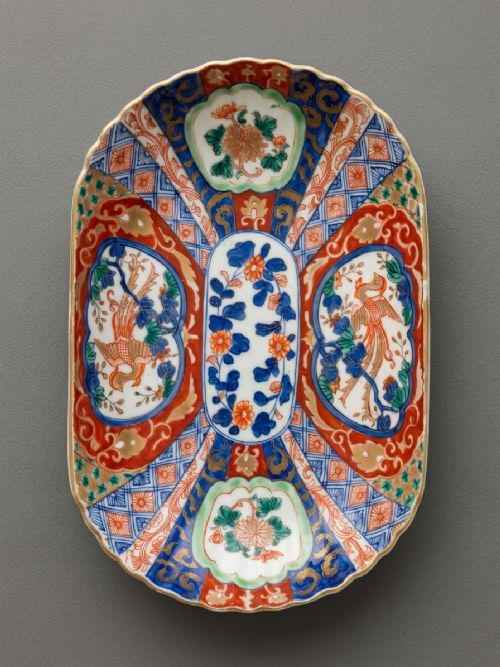
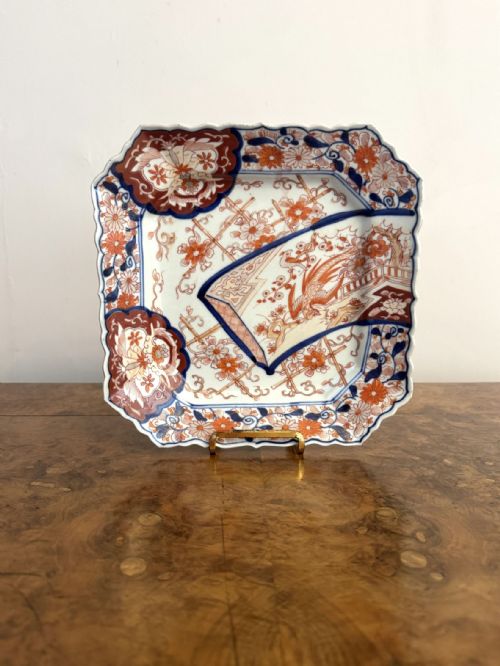
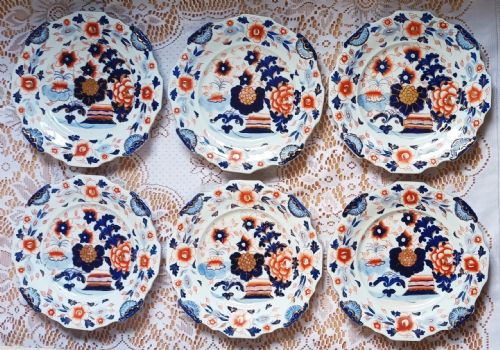
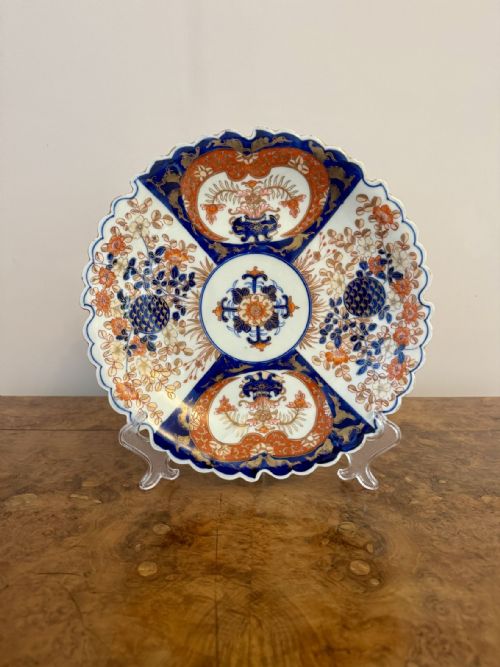
These pieces known as a blue and orange plate combine striking cobalt and rust tones across porcelain, ironstone, and earthenware.
Blue and Orange Plate
A blue and orange plate brings together contrasting cobalt pigments and warm rust or iron-red hues, often enriched with gilt accents. Buyers searching for a blue and orange plate encounter pieces spanning the eighteenth, nineteenth, and early twentieth centuries.
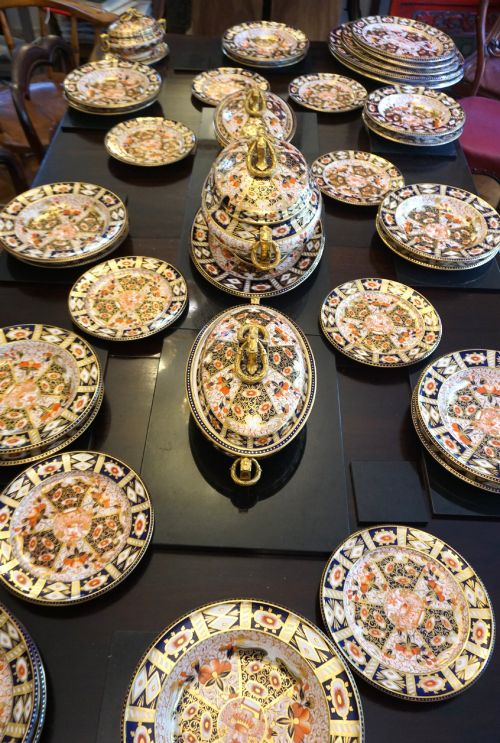
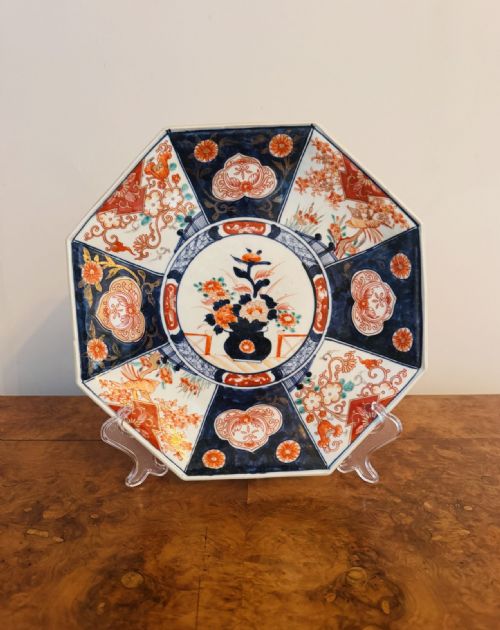
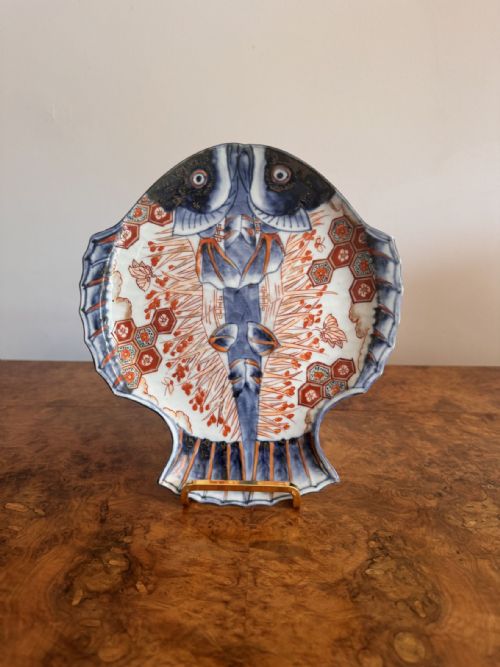
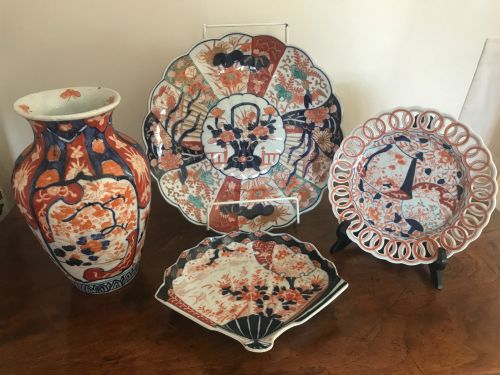
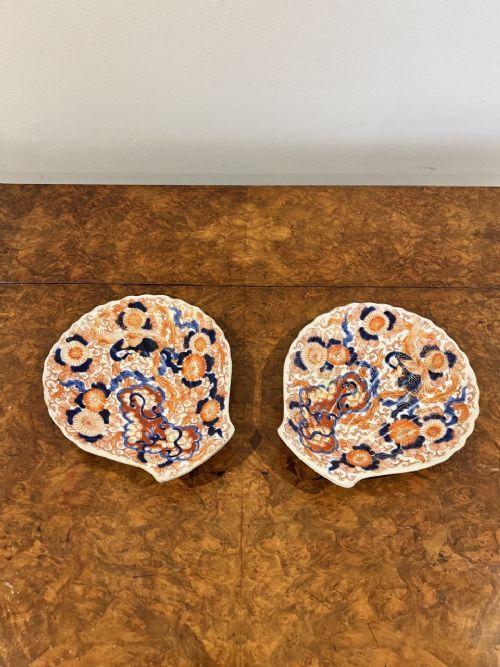
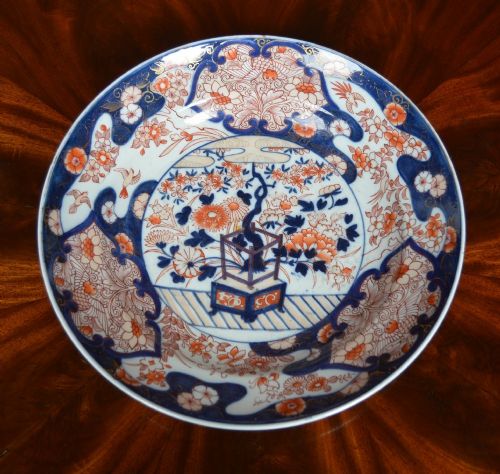
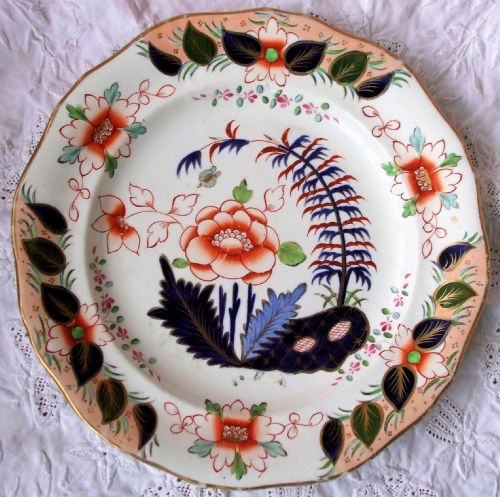
The selections on this page are dominated by Japanese Imari wares alongside English ironstone, Delftware, and Chinese export ceramics. Forms range from standard round dishes to hexagonal, square, fan-shaped, shell-shaped, and fish-shaped plates.
Larger chargers and decorative display dishes sit alongside tableware services, representing both Eastern export traditions and Western interpretations.
What varies in quality
The standard of a blue and orange plate rests upon the crispness of the hand-painted brushwork and the complexity of the palette. Pieces featuring finely delineated details, rich enamels, and precise gilding stand apart from simpler commercial wares.
Unusual structural forms, such as ribbon, fan, or shell shapes, alongside exceptional scale and well-preserved original surfaces, elevate a piece above standard domestic production.
Blue and Orange Plate Retail Price Guide 2026
Typical asking prices for blue and orange plate among the pieces listed under this phrase on Sellingantiques today, from the lower quarter to the upper quarter. They describe what is for sale here now, not the wider market.
Plates shaped like fish, shells, fans, and ribbons prove that historic potters thoroughly enjoyed defying the tyranny of the circle.
John Davenport of Longport
The Blue and Orange Plate Glossary
- Imari
- A style of Japanese porcelain decorated in underglaze blue, iron-red, and gold. The tradition originated in Arita and was exported extensively to Europe.
- Ironstone
- A type of durable heavy earthenware patented in the nineteenth century. It served as a sturdy alternative to porcelain for everyday and decorative tableware.
- Charger
- A large decorative plate or dish. These items were often displayed upright on sideboards or hung on walls rather than used for dining.
- Gilding
- The application of gold leaf or gold powder to ceramic surfaces. It accentuates borders and focal points within the painted design.
Blue and Orange Plate: Frequently Asked Questions
What is a blue and orange plate?
A blue and orange plate refers to decorative ceramics decorated in the distinctive Imari or polychrome palette. These items combine deep cobalt blue with vibrant iron-red enamel.
Such pieces include Japanese export porcelain, English ironstone, and Delftware chargers from various historical periods.
How do I identify an Imari plate?
Imari plates are recognised by their characteristic combination of underglaze blue and contrasting iron-red, frequently supplemented by gilt highlights. The motifs often incorporate complex floral patterns and brocade designs.
Originating in Japan, this aesthetic heavily influenced European potteries during the eighteenth and nineteenth centuries.
How should I care for antique ceramic plates?
Antique plates require gentle handling and should be washed by hand in lukewarm water using mild soap when necessary. Avoid abrasive sponges or harsh chemical detergents that might harm fragile overglaze enamels and gilding.
Display them securely on stable plate stands or wall mounts designed to support their weight safely.