



Blue and Iron Red China
Blue and iron red china brings together striking cobalt tones and rust-red motifs, offering enduring appeal for display and service.
Blue and Iron Red China
When you search for blue and iron red china, you encounter objects rooted in the Imari palette and traditional earthenware or porcelain traditions. These pieces span decorative plates, chargers, vases, serving dishes, and bowls originating from various historical periods.
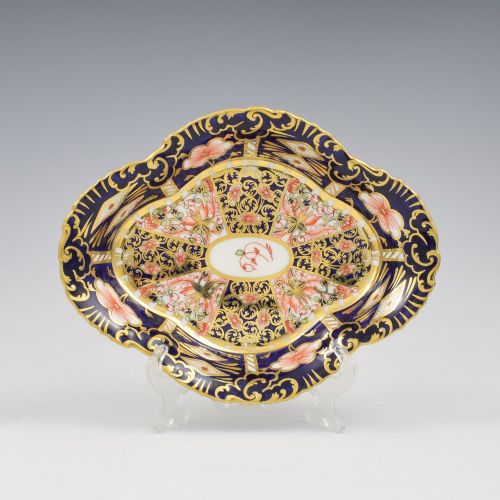
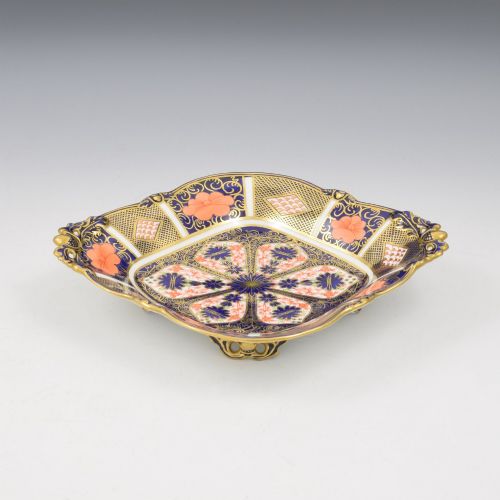
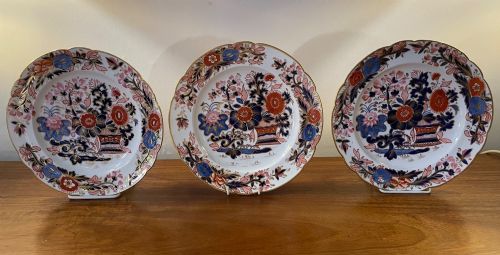
The selections on this page are most commonly represented by 19th-century Japanese Imari items alongside English bone china and porcelain works from makers like Royal Crown Derby and Stevenson & Hancock. You will find items featuring rich cobalt blue underglazes paired with contrasting iron red and gold details.
Forms range from deep lobed serving dishes and pierced trays to bud vases and large decorative chargers. Each piece demonstrates the enduring cross-cultural influence of East Asian ceramic design on British manufacturing.
What varies in quality
Quality shows in the precision and complexity of the hand-painted brushwork across the iron red and blue motifs. Finer examples display crisp detail in the patterns and careful application of gold leaf or gilding.
The weight and purity of the porcelain or bone china body also distinguish standard production items from superior presentation pieces. Preservation of the surface enamel and gilding dictates the overall visual impact of each vessel.
Blue and Iron Red China Retail Price Guide 2026
Typical asking prices for blue and iron red china among the pieces listed under this phrase on Sellingantiques today, from the lower quarter to the upper quarter. They describe what is for sale here now, not the wider market.
Listings feature items produced across the 19th century and early 20th century, utilising porcelain, bone china, and earthenware.
Royal Crown Derby·Stevenson and Hancock·Masons
The Blue and Iron Red China Glossary
- Imari palette
- A decorative style employing deep cobalt blue, iron red, and gold, originating in Japan and later copied in Europe. This combination creates high contrast and vibrant visual weight.
- Iron red
- A rust-red enamel colour derived from iron oxide used extensively in ceramic painting. It provides the warm reddish contrast to the cool cobalt blue.
- Bone china
- A type of soft-paste porcelain incorporating animal bone ash, developed in England. It offers high whiteness and translucency.
- Charger
- A large decorative plate used traditionally for ceremonial dining or display on a sideboard. These pieces measure larger than standard dinner plates.
- Gilding
- The application of gold leaf or gold powder to the surface of ceramics. It highlights rims, handles, and specific design elements.
Blue and Iron Red China: Frequently Asked Questions
How do I date blue and iron red china?
Dating relies on examining the base marks, paste composition, and stylistic conventions of the period. Backstamps often point to specific potteries or active decades.
Secondary indicators include the style of hand-painting, wear patterns, and the type of glaze used across the piece.
Are these plates meant for daily use?
Most antique decorative plates and chargers are intended for display or occasional service rather than robust daily dining. The overglaze enamels and gold leaf can wear down with frequent washing.
Gentle hand washing helps preserve the iron red and blue pigments on older earthenware and porcelain surfaces.
What is the difference between Japanese and English Imari?
Japanese Imari pieces generally date from the export periods and feature distinct clay bodies and regional painting styles. English interpretations, such as those from Staffordshire or Derby, adapt the palette onto local bone china.
Both traditions utilise the core blue and iron red colours but execute the floral and geometric motifs through different local craft practices.
How should I display a large charger?
Large chargers require sturdy plate stands or wall mountings designed to support the considerable weight of porcelain and earthenware. Placing them away from direct sunlight protects the overglaze enamels from fading.
Grouping them with smaller bowls or vases creates a balanced arrangement on a sideboard or mantelpiece.