

Blue and Green Painting
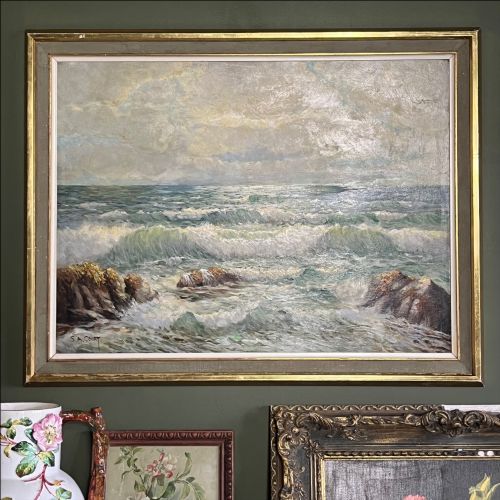
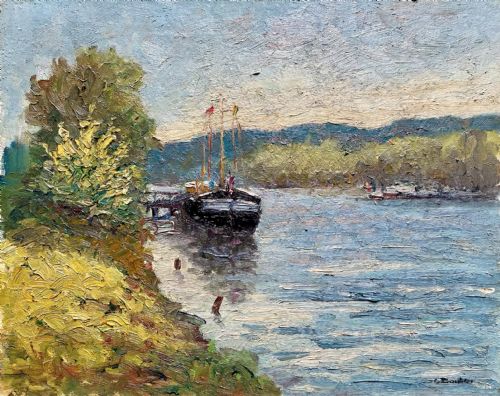
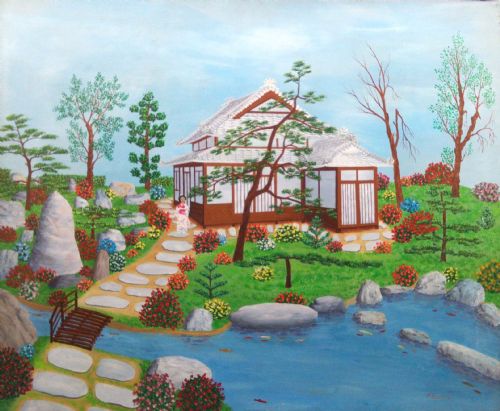
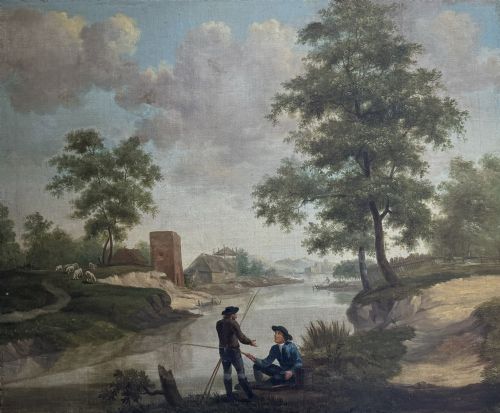
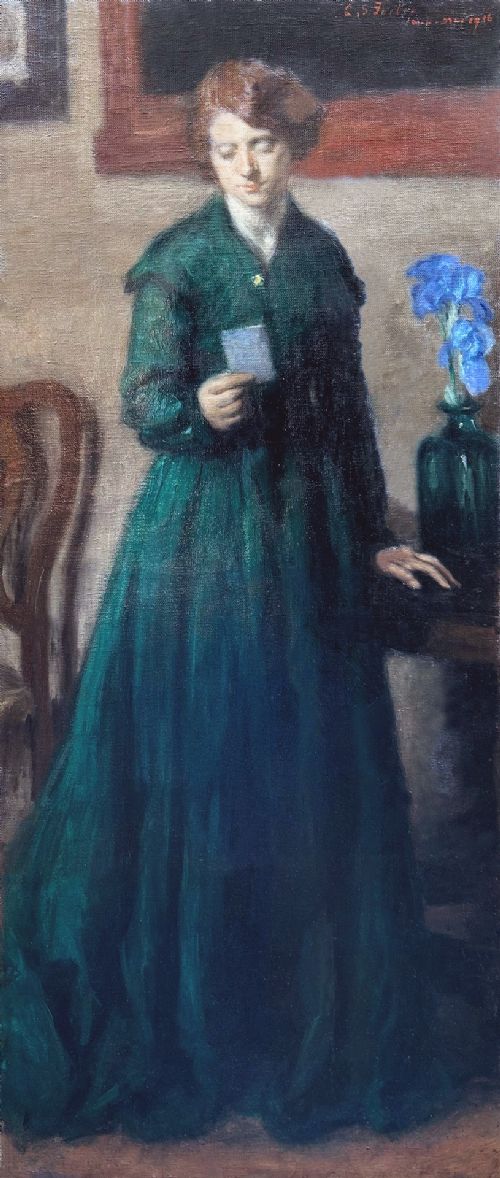
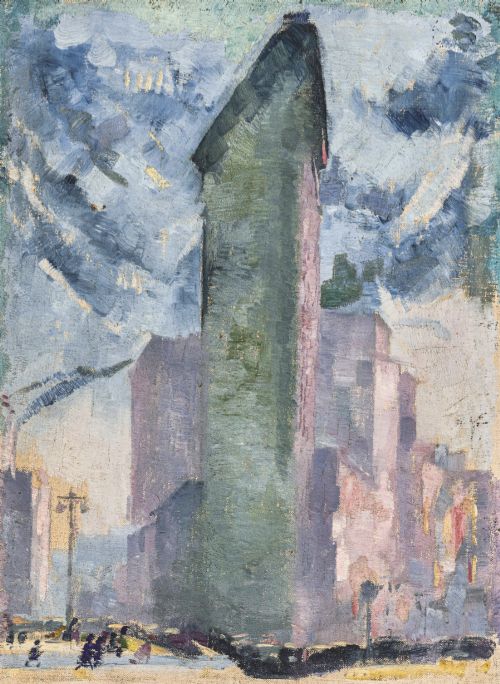
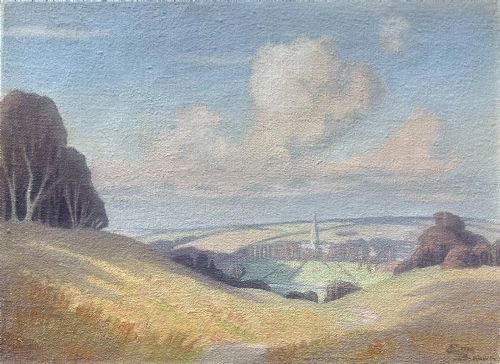
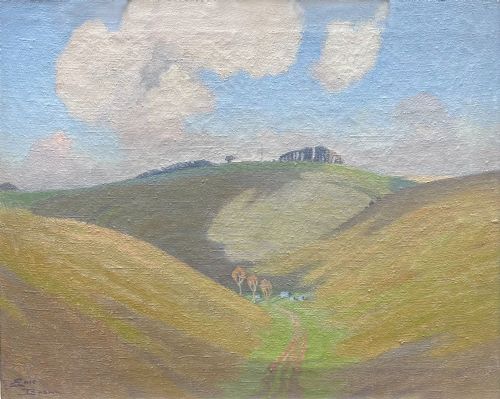
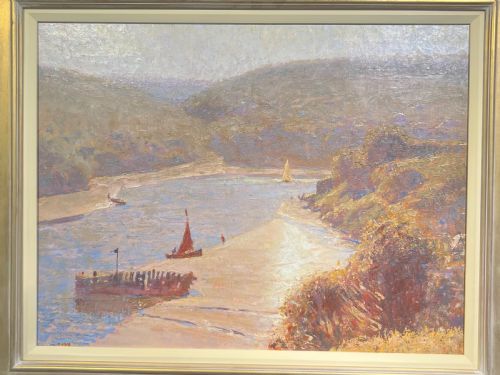
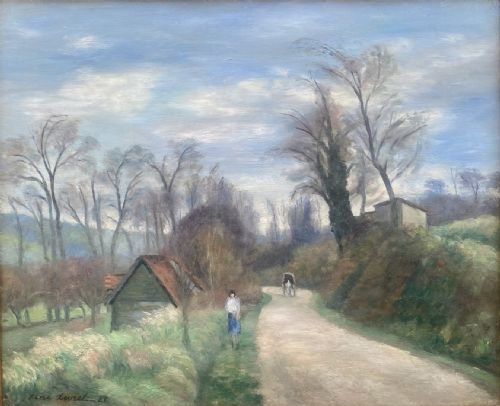
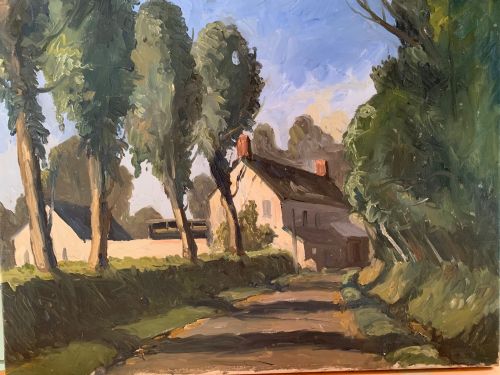
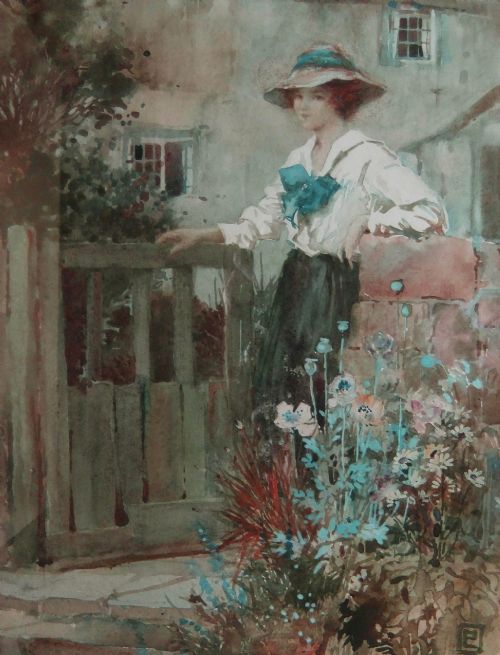
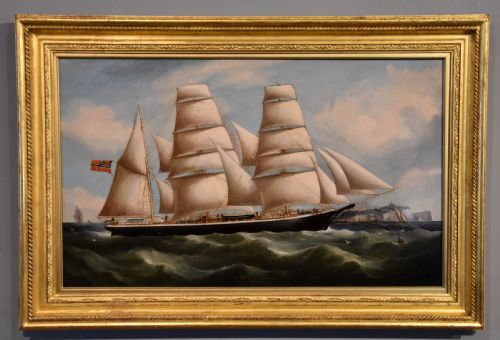
A blue and green painting captures landscapes and coastal scenes through brushwork that brings together cobalt skies, cerulean waters, and verdant fields.
Blue and Green Painting
When searching for a blue and green painting, a buyer encounters works executed primarily in oil paint, watercolour pigment, and ink across canvas, paper, and wood panel supports.
The selections span from the nineteenth century through the mid-twentieth century, encompassing British Impressionism, Post-Impressionism, and Victorian movements.
The most common representations on this page are landscapes, riverscapes, and coastal scenes utilising verdant earth tones alongside deep marine hues.
How They Were Made
Artists applied oil paint or watercolour pigment directly onto prepared canvas, wood panels, or heavy paper sheets.
Many works incorporate visible impasto techniques where thick layers of paint build texture, while others rely on fluid washes of colour to define atmospheric light.
Several canvases record quiet rivers, coastal harbours, and domestic geese living out their days in rural quietude.
What Varies in Quality
The distinction between works rests in the confidence of the brushwork and the artist's ability to balance dominant cobalt and emerald tones without muddying the composition.
Stronger examples demonstrate deliberate handling of light and shadow, particularly in en plein air coastal and river views where atmospheric conditions dictate the palette.
Alfred Young Nutt·Sidney A Court·Charles Stuart Forbes·Alfred Wolmark·Eric Brown·Rene Levrel·Dion Pears·Percy Lancaster·Richard B Spencer·Walter Goodin·Henry Barlow Carter·F A Roylance·Hubert Wellington·Archibald Kay·Philip Richard Morris·Edgar Woollatt·Joseph Edward Hennah·Helen Layfield Bradley·Josef Lorenzl·William J B Jenkins·Gabriel Dauchot·Henry John Kinnaird·William Hoggatt·James Orrock
The Blue and Green Painting Glossary
- Impasto
- Paint applied thickly to a canvas or panel, leaving brush or palette knife marks standing proud of the surface. This technique creates a tangible texture that catches the light.
- En plein air
- Painting outdoors in natural light to capture the actual visual conditions of a scene. The practice became central to Impressionist landscape work.
- Watercolour
- A paint consisting of colorants suspended in a water-soluble binder, traditionally applied to paper. It relies on the white of the paper to show through translucent washes.
- Post-Impressionism
- An artistic movement developing from the late nineteenth century that extended Impressionism while rejecting its limitations. Artists emphasised symbolic content and vivid colour harmonies.
Blue and Green Painting: Frequently Asked Questions
What subjects appear in these paintings?
The works depict riverscapes, coastal harbours, pastoral valleys, and architectural views. Many capture specific locations across Britain and France.
Scenes frequently incorporate waterways, boats, cottages, and rural landscapes rendered in distinct regional styles.
How should I frame an antique painting?
Selecting a frame depends on the period and medium of the artwork, with wood mouldings suiting oils on canvas. Watercolour paintings on paper require conservation mounting behind glass to protect the pigment.
Proper framing prevents environmental moisture from reaching the canvas or paper support over time.
How do I date a nineteenth-century watercolour?
Dating relies on stylistic signatures, framing materials, and accompanying documentation from the artist's exhibited dates. Paper watermarks and historical inscriptions on the reverse often provide precise chronological clues.
Examining the specific brush technique alongside known working periods helps narrow down the year of creation.
Where were these landscape scenes painted?
Many landscapes record specific British coastal areas, river valleys, and European countryside settings. Artists travelled to locations such as the Thames Valley, Cornwall, and Normandy.
These topographical details anchor the compositions in genuine geographic points of interest.