



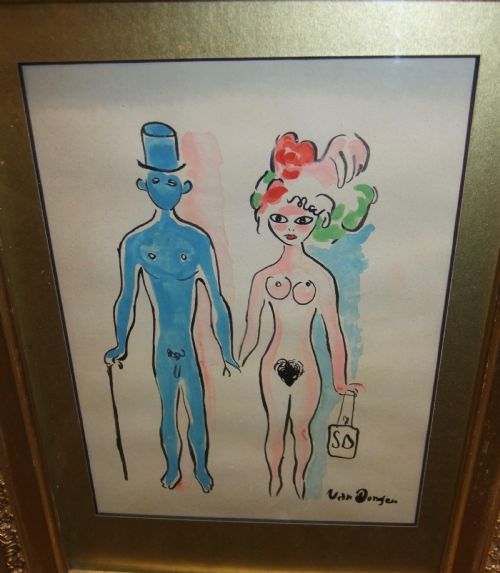


Vintage Figurative Watercolour
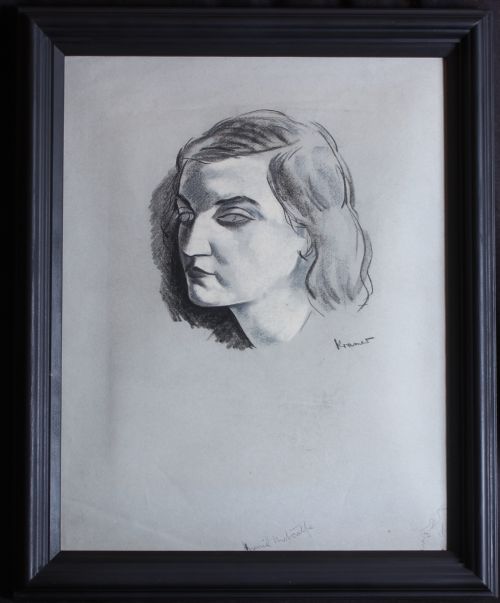
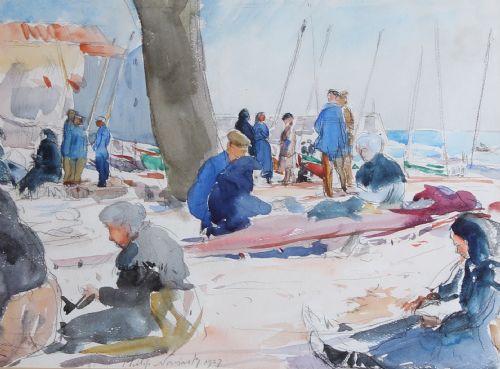
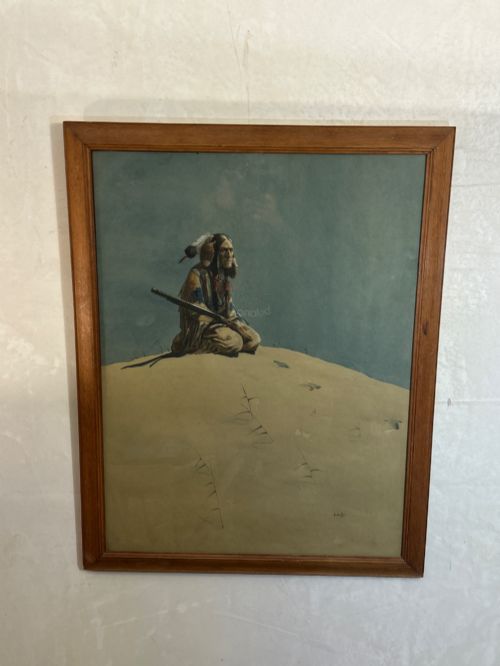
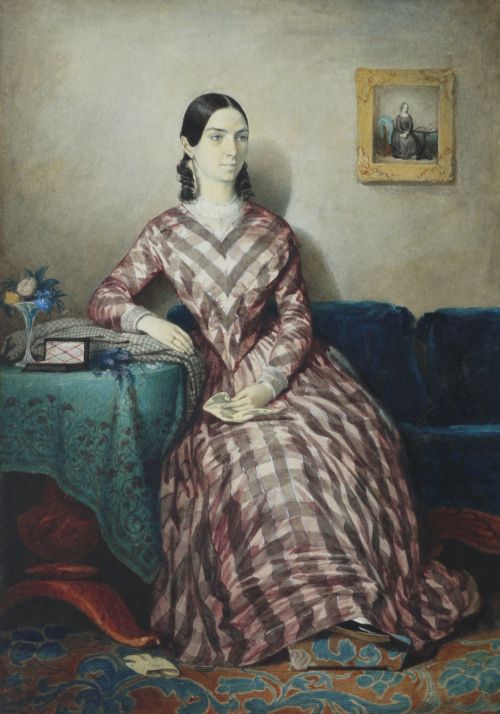
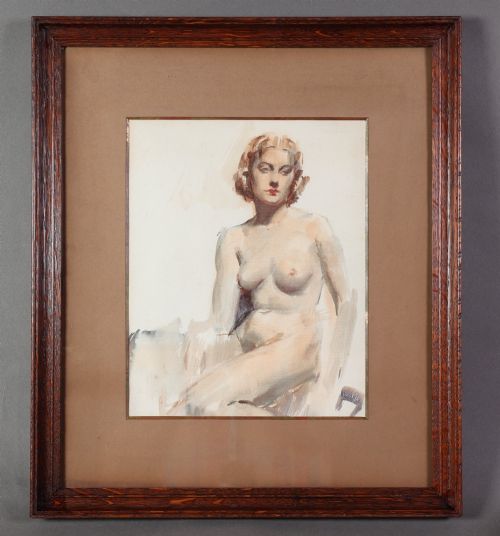
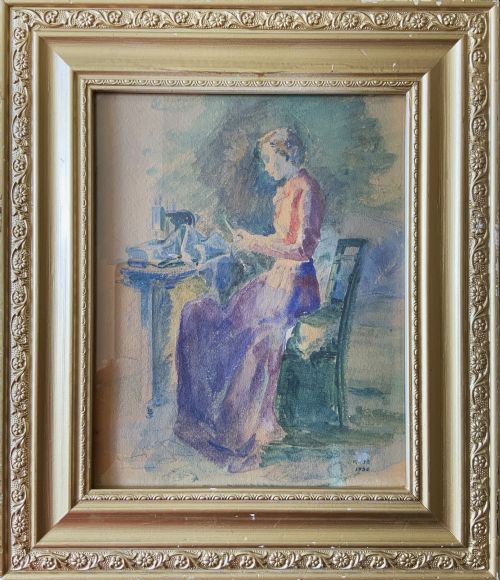
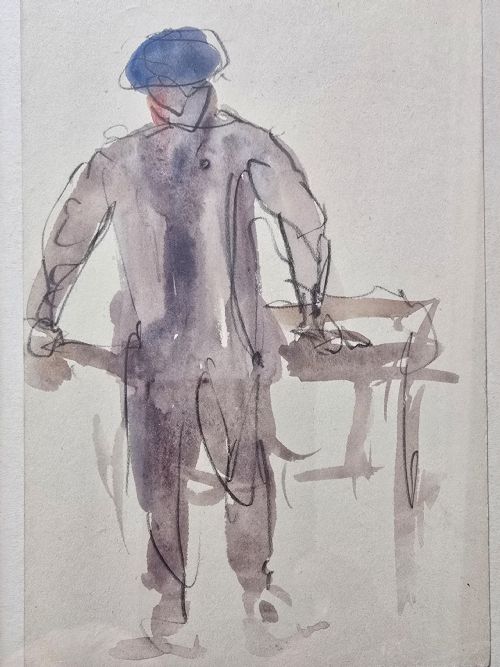
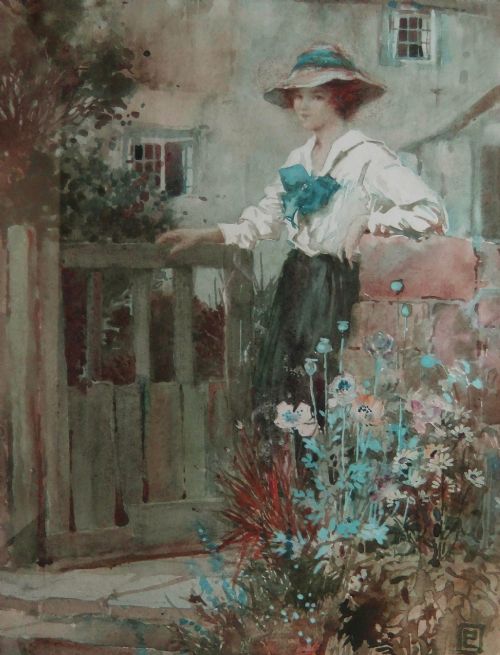
These vintage figurative watercolour works capture human subjects and domestic scenes across various twentieth-century and nineteenth-century schools.
Vintage Figurative Watercolour
A vintage figurative watercolour presents human subjects, portraits, and narrative scenes executed on paper through nineteenth-century and twentieth-century movements. Buyers seeking a vintage figurative watercolour encounter compositions ranging from Edwardian illustrations to mid-century impressionist portraits.
The selections span British impressionism, the Irish school, the Scottish school, and continental European traditions. Subjects include domestic interiors, theatrical performers, fisherfolk, and pastoral gatherings.
Framed artwork and original paintings dominate the selection, preserved behind glass within wooden frames. Pieces date from the late nineteenth century through to the mid-twentieth century.
How they were made
Artists applied watercolour pigment to paper support, frequently combining ink and coloured pencil for definition. Selected works incorporate gold leaf accents alongside traditional water-soluble pigments.
Protective framing utilising wood and glass preserves the delicate paper surface of each painting. Finished sheets are secured behind glass to prevent atmospheric damage to the pigment.
Vintage Figurative Watercolour Retail Price Guide 2026
Typical asking prices for vintage figurative watercolour among the pieces listed under this phrase on Sellingantiques today, from the lower quarter to the upper quarter. They describe what is for sale here now, not the wider market.
Watch for subjects caught mid-task, from girls peeling potatoes to puppet makers and secret sharers.
What varies in quality
Quality rests upon the artist's handling of pigment and the expressive clarity of the human subject. Listed works range from accomplished academic portraiture to looser impressionist interpretations.
The preservation of the paper support and the vibrancy of the original watercolour pigment determine the standing of individual pieces. Original framing and documented attribution further elevate the standing of specific works.
John Hassall·Percy Lancaster·Michael Healy·Robert Eadie·Raoul Millais·Sir William Russell Flint·Augustus Jules Bouvier·Emil John Hess·George Kilburne·Roland Batchelor·William Lee Hankey·Takashi Nakayama·Irene Lagut·Kees van Dongen·Yves Brayer·Leon Girardet·Henry Silkstone Hopwood·Owen Bowen·K B Curtis
The Vintage Figurative Watercolour Glossary
- Watercolour
- A painting method in which the paints are made of pigments suspended in a water-based solution. The technique relies on the transparency of the paper showing through thin washes of colour.
- Figurative
- Art that derives from real object sources, specifically focusing on the human form or portraiture. These pieces depict recognizable people, models, and narrative characters rather than pure abstraction.
- British Impressionism
- A painting style developed in the late nineteenth and early twentieth centuries emphasising light and visible brushwork. Practitioners captured transient moments of modern life and leisure.
- Edwardian
- Pertaining to the reign of King Edward VII, characterised by illustrative elegance and refined technique. Works from this period often display detailed narrative storytelling.
- Mid-Century Impressionism
- A post-war movement continuing impressionist traditions with modern compositional freedom. Artists during this era explored simplified forms and expressive brushstrokes.
Vintage Figurative Watercolour: Frequently Asked Questions
What subjects appear in these watercolours?
The works depict human figures, portraits, and narrative scenes including seamsters, theatrical performers, and pastoral gatherings.
Subjects also encompass domestic interiors, gardeners, and coastal fisherfolk captured across different decades.
How should I frame a watercolour?
Watercolour paintings require protection behind glass to shield the delicate paper and pigments from atmospheric moisture and dust.
Framing should utilise archival mounts that prevent the paper from touching the glass directly.
How do I identify the period of a piece?
Periods are identified through stylistic markers, artist signatures, and framing materials characteristic of nineteenth and twentieth-century movements.
Edwardian and mid-century pieces reflect the distinct aesthetic priorities and palettes of their respective decades.
Where were these paintings produced?
The pieces originate from British, Irish, Scottish, French, and Japanese schools of art active during the nineteenth and twentieth centuries.
Regional styles emerge through the handling of light, subject matter, and illustrative traditions specific to each origin.