



Blue and Gold Pottery
Blue and gold pottery brings together rich cobalt hues and metallic gilding across vases, bowls, and decorative vessels from the nineteenth and twentieth centuries.
Blue and Gold Pottery
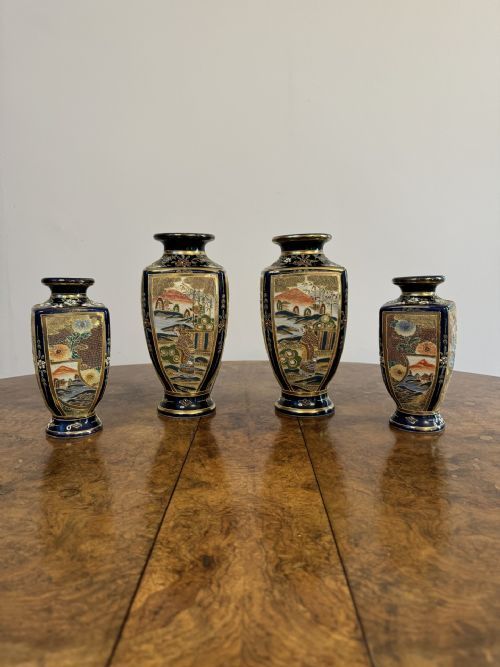
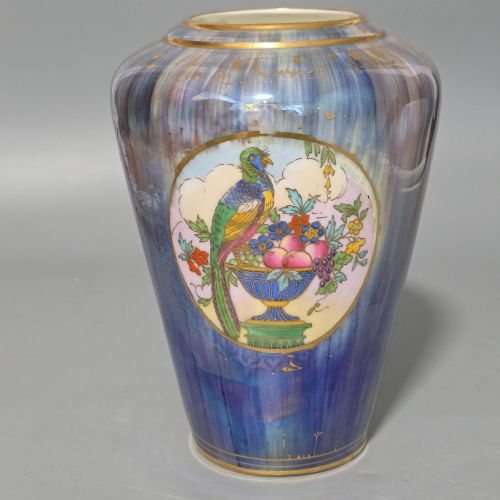
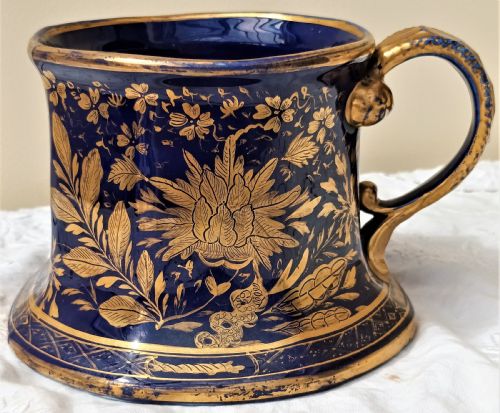
Blue and gold pottery covers a diverse selection of decorative items, ranging from large Japanese Satsuma garnitures and bowls to English earthenware mugs, jardinieres, and porcelain vases. Buyers searching this phrase meet pieces originating from the nineteenth century through the Art Deco period, including Victorian and Edwardian examples.
Materials and technique
Makers utilised ceramic, earthenware, stoneware, and porcelain as the structural body for these pieces, applying rich cobalt blue glazes and enamels to the surfaces. Guilding and gold leaf were then added by hand, sometimes raised in low relief using moriage techniques to create tactile surface decoration.
Techniques span traditional Japanese Kyoto pottery methods and British industrial ceramic processes, including Slater's patent stoneware and lustre glazing. Enamel floral motifs and hand-painted panels frequently complement the heavy gilt borders and cobalt backgrounds.
Blue and Gold Pottery Retail Price Guide 2026
Typical asking prices for blue and gold pottery among the pieces listed under this phrase on Sellingantiques today, from the lower quarter to the upper quarter. They describe what is for sale here now, not the wider market.
Forms span tea pots, tobacco jars, candlesticks, and garnitures alongside traditional vases and bowls.
Craftsmanship and design
Quality separates through the precision of hand-painted detail and the application of the gold leaf, where finer pieces display intricate figurative panels, complex landscapes, and precise moriage work rather than simple stencilled patterns. The depth of the cobalt blue glaze and the weight of the ceramic body also indicate the standard of production.
The reputation of the studio, pottery, or decorator dictates the upper tier of the range, with signed works from known makers commanding greater distinction. Pieces that retain their original gilding without excessive rubbing or loss represent the higher grade of preservation.
William Moorcroft·Royal Doulton·Kinkozan Kyoto·Carlton Ware·Wedgewood
The Blue and Gold Pottery Glossary
- Moriage
- A Japanese ceramic technique of applying slip in dots or lines to create raised decorative patterns before glazing and gilding. It provides a tactile, textured surface often seen on Satsuma ware.
- Garniture
- A set of matched vases or decorative vessels designed to be displayed together on a mantelpiece or sideboard. These sets frequently comprise three or four coordinating pieces.
- Jardiniere
- A large decorative ceramic pot or container designed to hold growing plants or floral arrangements. They appear in stoneware and earthenware bodies with glazed and enamelled surfaces.
- Lustre
- A type of ceramic glaze containing metallic oxides that produce an iridescent, reflective sheen when fired. This finish creates shimmering colour effects across the vessel.
- Ironstone
- A heavy, durable type of earthenware patented in the nineteenth century as a tough alternative to porcelain. It readily accepts cobalt blue transfers and hand-painted gilding.
Blue and Gold Pottery: Frequently Asked Questions
What is Satsuma pottery?
Satsuma pottery originates from Japan and is characterised by a fine earthenware body with a distinctive crackle-glaze finish. These pieces are typically decorated with elaborate hand-painted polychrome enamel and heavy gold leaf.
Items from this tradition often feature intricate figurative scenes, landscapes, and traditional Japanese mon symbols. They date largely from the Meiji period and represent a prominent category within blue and gold ceramics.
What is Slaterware?
Slaterware is a distinctive type of ceramic developed during the late nineteenth century featuring textured surfaces created by pressing lace or fabric into the damp clay. This technique left organic imprints across the body.
Makers then glazed and decorated these textured areas with enamel and metallic finishes, often combining deep blues with gilt highlights.
How do I date these pieces?
Dating blue and gold pottery relies on examining maker's marks, stamps, and signatures stamped or painted on the underside of the base. Stylistic clues such as Art Nouveau curves or Art Deco geometries also help narrow the period.
Comparing the manufacturing technique, glaze composition, and body material against known factory production eras provides a reliable guide to age.