
Blue and Gold Plate
When you search for a blue and gold plate, you enter a world of hand-painted porcelain and rich cobalt grounds heightened with precious metal.
Blue and Gold Plate
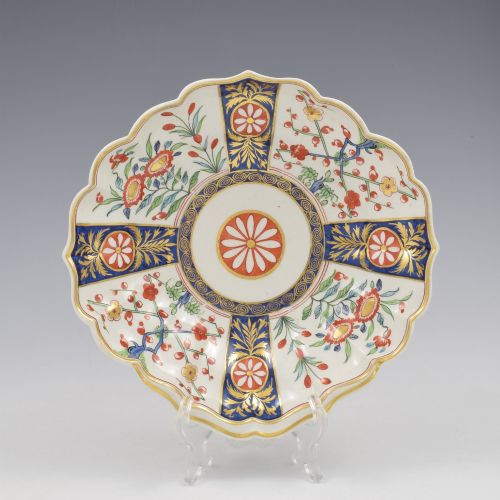
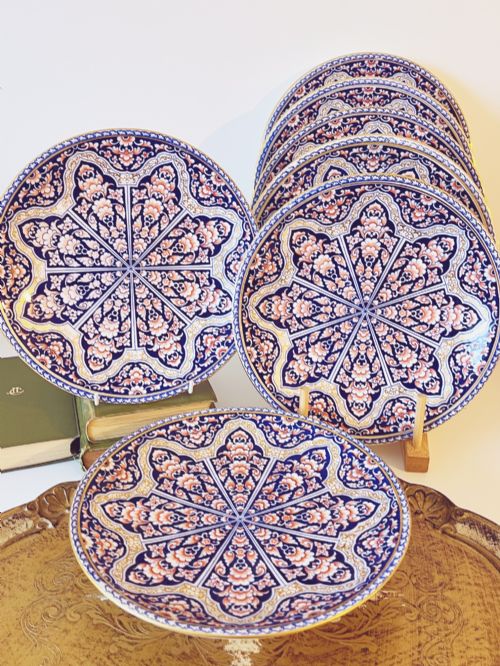
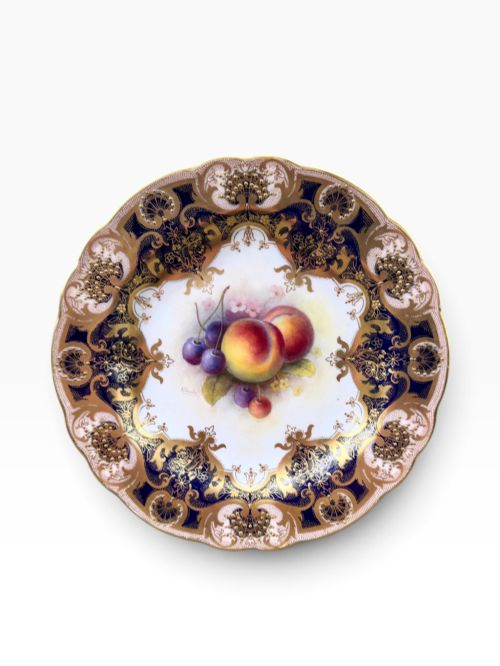
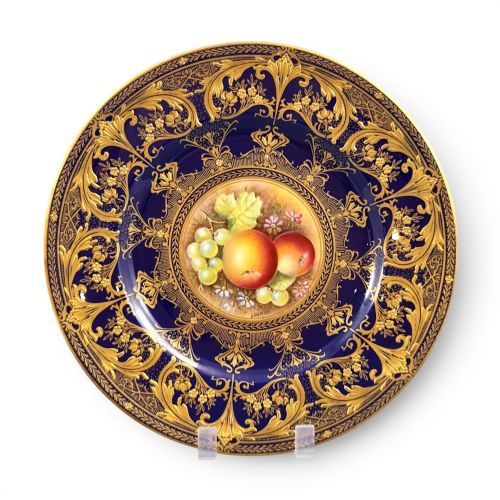
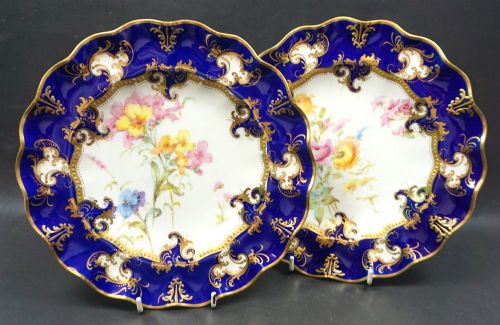
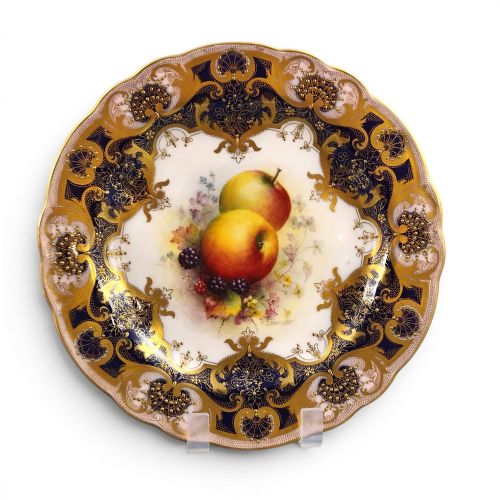
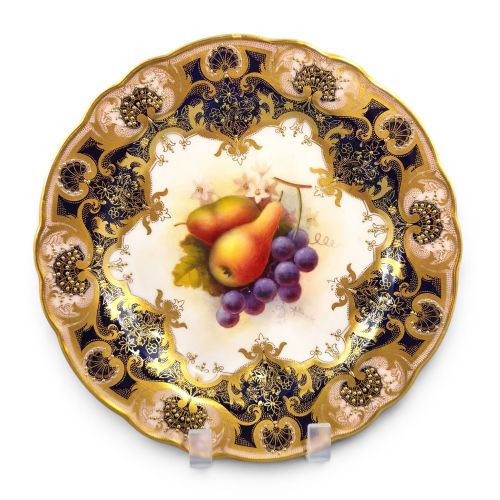
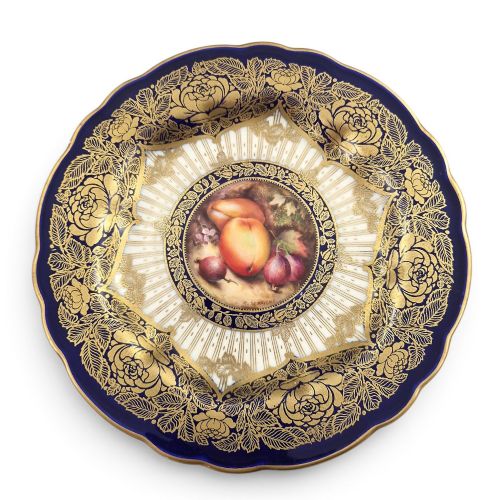
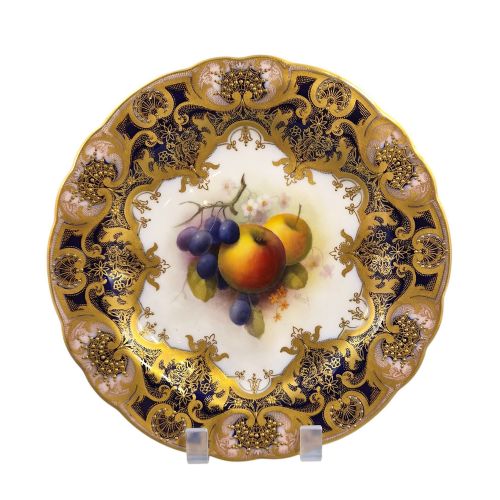
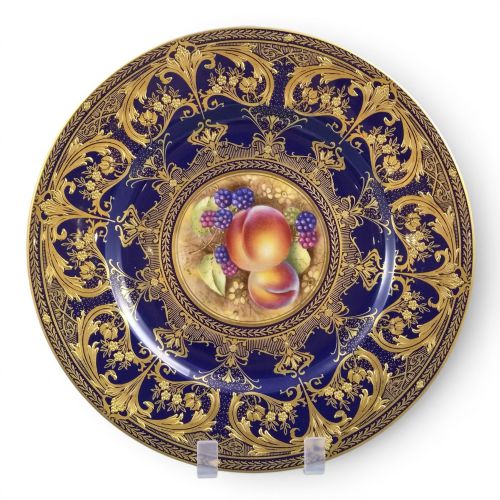
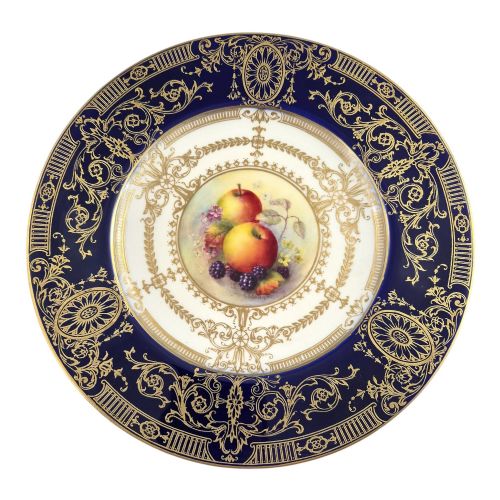
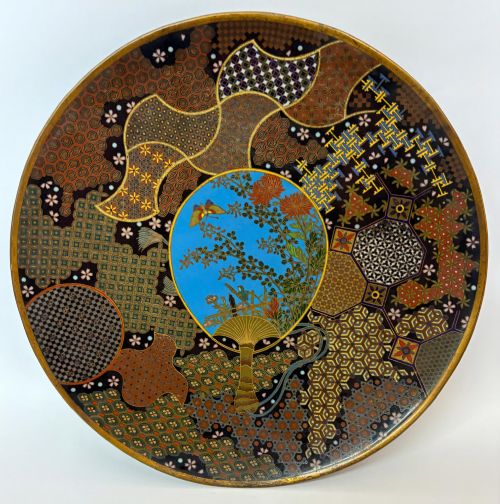
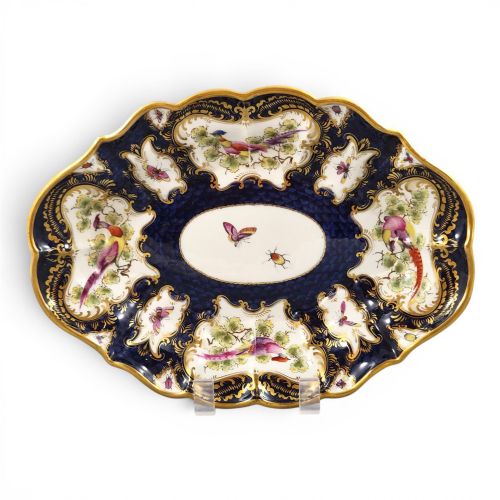
A blue and gold plate unites a deep blue ceramic or enamel ground with metallic leaf or gilding, spanning cabinet pieces, dessert dishes, and chargers. These items originate from major European and Japanese kilns, including factories like Royal Worcester, Coalport, and Sevres, dating from the nineteenth and twentieth centuries.
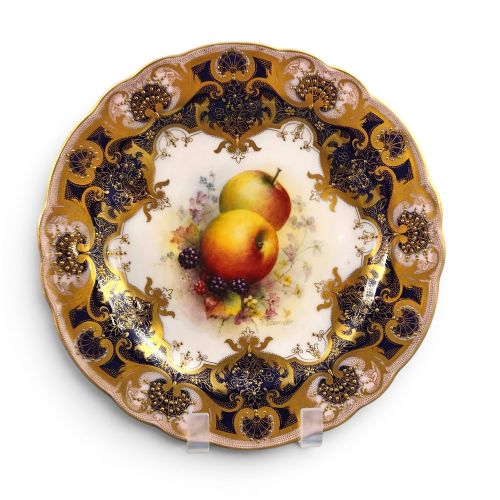
The form ranges from standard dessert services used in formal dining to decorative cabinet plates made purely for display. Many examples employ cobalt blue grounds contrasted against elaborate tooled gilt borders and hand-painted central scenes of fruit, flowers, or figural subjects.
Materials and Construction
Makers utilised porcelain and bone china as the primary ceramic bodies, shaping them into plates, dishes, and chargers before applying underglaze blue or enamel grounds. Artisans then brushed or tooled gold leaf and gilding onto the surface, firing the pieces multiple times to bond the metallic elements to the glaze.
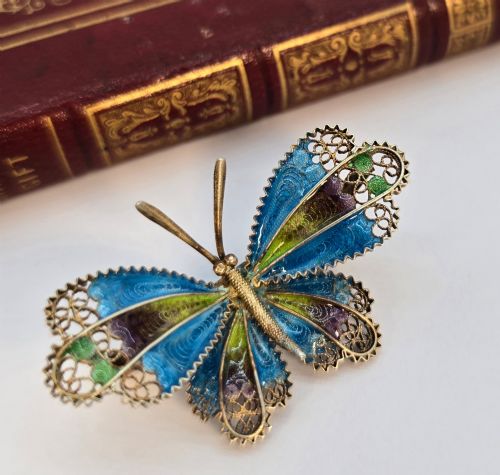
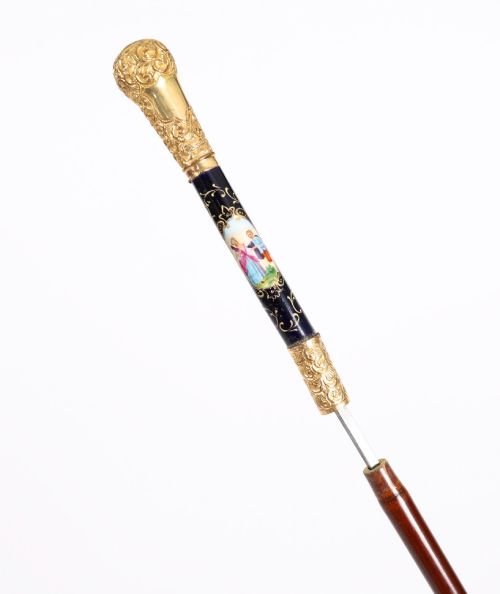
Artisans applied hand-painted details over the white porcelain or coloured grounds, often signing individual fruit and floral studies. Metal components such as silver gilt and enamel appear alongside ceramic bodies in allied decorative items like brooches and walking sticks.
Butterflies, frogs, and medieval battle scenes occasionally share space with fruit studies on these decorated ceramic surfaces.
Assessing Craftsmanship and Execution
The standard of a blue and gold plate rests on the precision of the hand-painted decoration and the depth of the gilding. Master painters such as Richard Sebright or Albert Shuck created detailed fruit and floral studies that elevate certain cabinet pieces above standard factory production.
The crispness of the tooled gilding and the uniformity of the cobalt blue ground dictate the overall refinement of the piece. Earlier examples from periods like the nineteenth century often display intricate hand-tooling on the gold borders that differs from later mass-produced applications.
Royal Worcester·Royal Crown Derby·Coalport·Sevres·Royal Vienna·Meissen
The Blue and Gold Plate Glossary
- Cabinet plate
- A decorative plate intended for display in a cabinet or on a wall rather than for practical dining use. These pieces often feature elaborate painted scenes and heavy gilding.
- Cobalt
- A deep blue metallic oxide used to colour ceramic glazes and grounds. It provides the dark blue background typical of many nineteenth-century plates.
- Gilding
- The application of gold leaf or gold powder to the surface of porcelain or metal. It creates the gold highlights and borders found on decorated wares.
- Charger
- A large ornamental plate used as a base setting or displayed on its own. They are larger than standard dinner or dessert plates.
- Dessert service
- A matching set of plates, dishes, and sometimes a comport designed for serving the final course of a meal. These services often display uniform blue and gold decorative schemes across multiple pieces.
Blue and Gold Plate: Frequently Asked Questions
What is a cabinet plate?
A cabinet plate is a decorative ceramic piece made primarily for display in a cabinet or on a wall. These items usually feature intricate hand-painted central subjects and heavy gilding rather than being used for everyday dining.
Such pieces often come from notable factories like Royal Worcester or Sevres and survive in pristine condition because owners kept them away from active service.
How do I care for gilded porcelain?
Gilded porcelain requires gentle hand washing with mild soap and lukewarm water to protect the delicate gold leaf and enamel decoration. Avoid using abrasive sponges or putting these pieces in a dishwasher.
Store or display them away from direct sunlight and extreme temperature shifts to preserve the integrity of the ceramic body and the painted surface.
How do I identify the maker?
Makers usually applied factory marks, pattern numbers, or date ciphers to the underside of the ceramic body. Examining these stamps helps determine the manufacturing period and the specific pottery responsible for the work.
Some pieces also feature the signature of the individual artist, such as Richard Sebright or Albert Shuck, painted near the edge of the central scene.
What is cobalt blue?
Cobalt blue is a rich, stable blue pigment derived from cobalt oxide that withstands high kiln temperatures. It forms the deep background colour on many nineteenth-century and Edwardian decorative plates.
This pigment allows makers to create striking contrasts against the bright gold leaf and white porcelain reserves.