

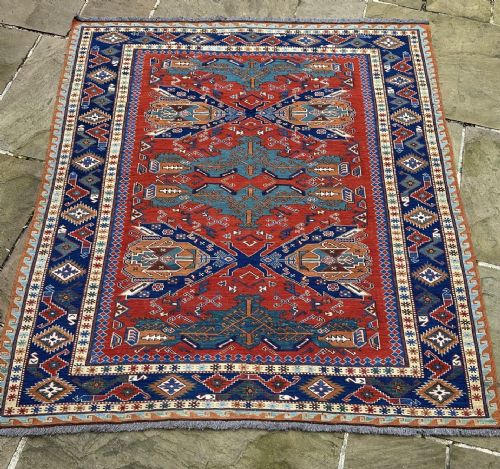
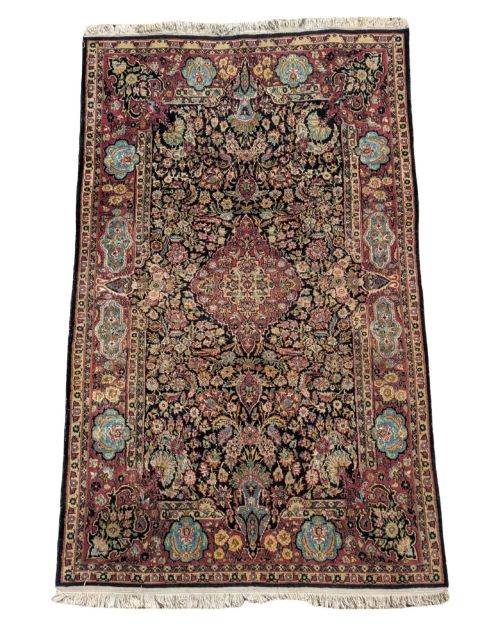
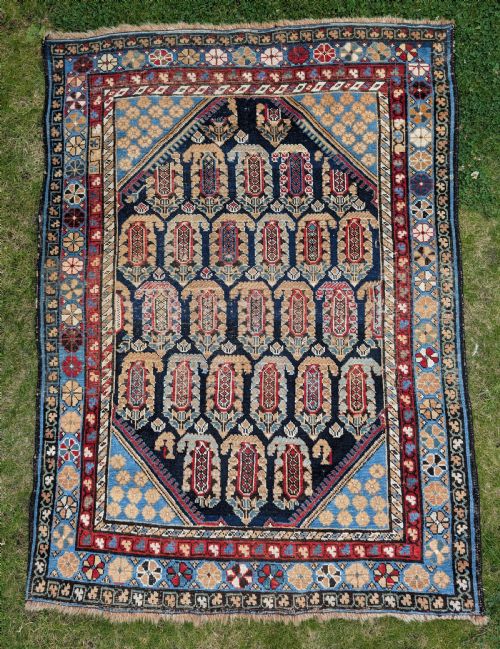
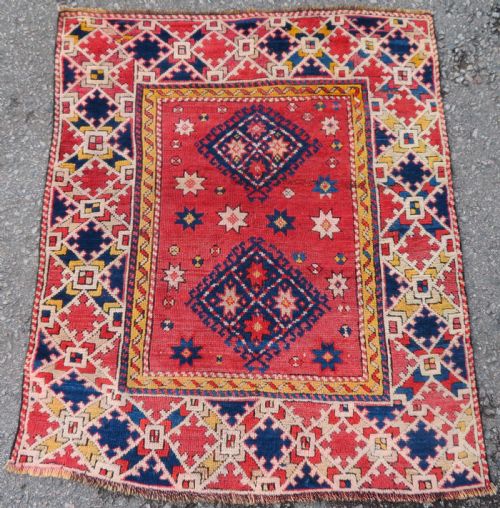


Blue Accent Rug
These pieces brought down by a blue accent rug search deliver depth and history to a room through tribal weaves and village patterns.
Blue Accent Rug
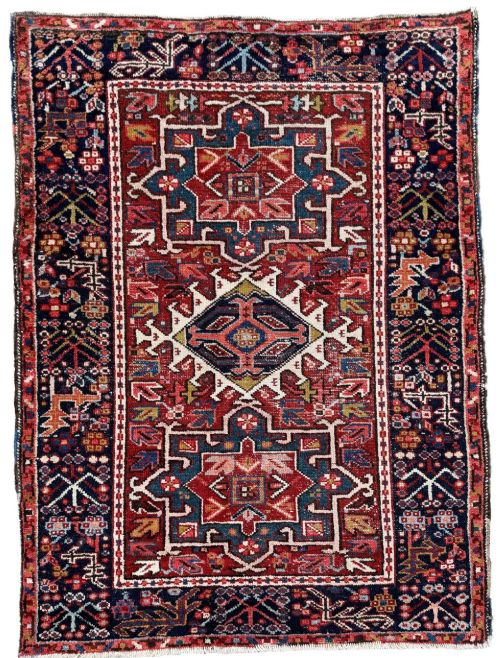
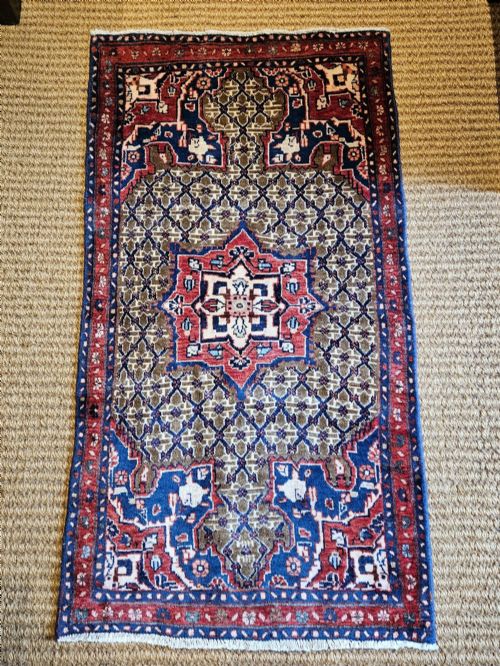
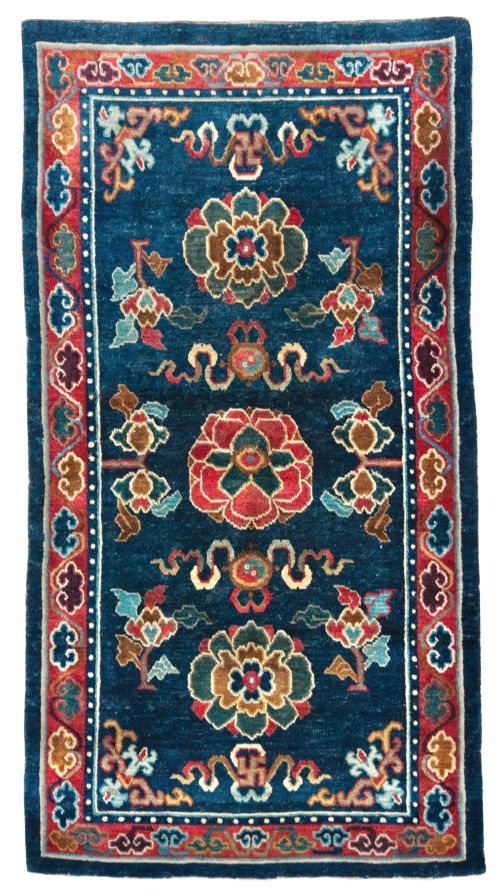
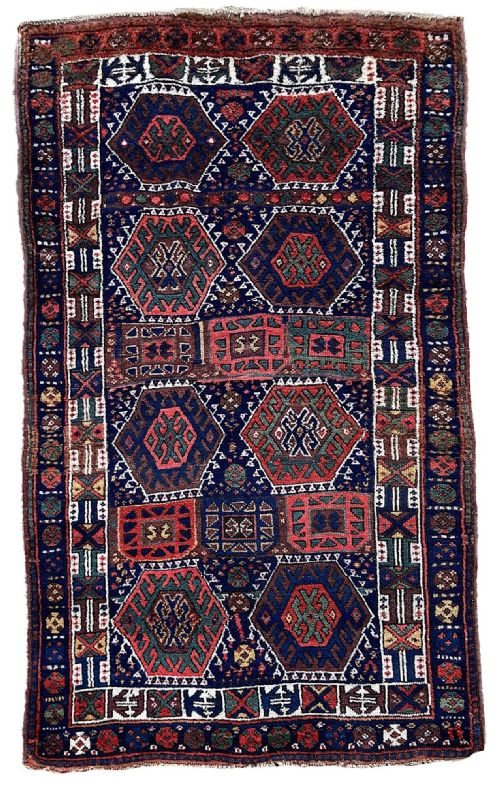
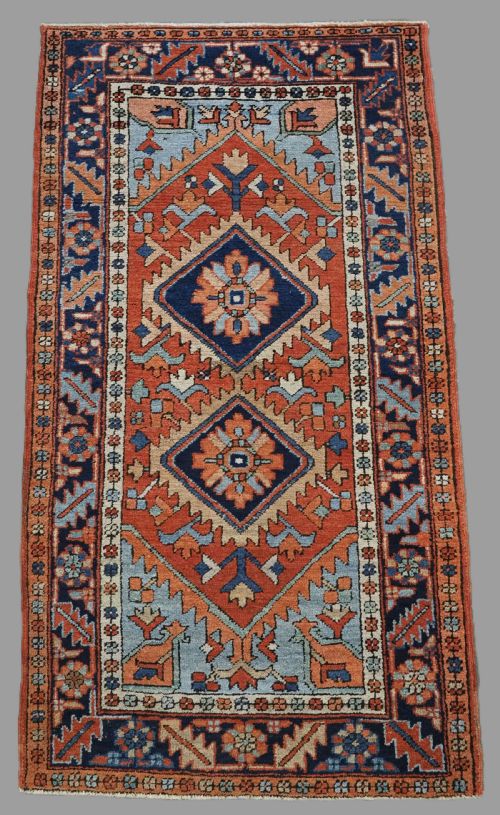
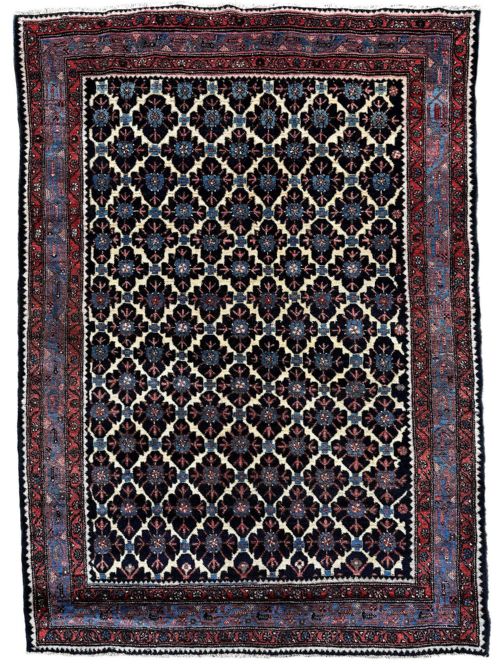
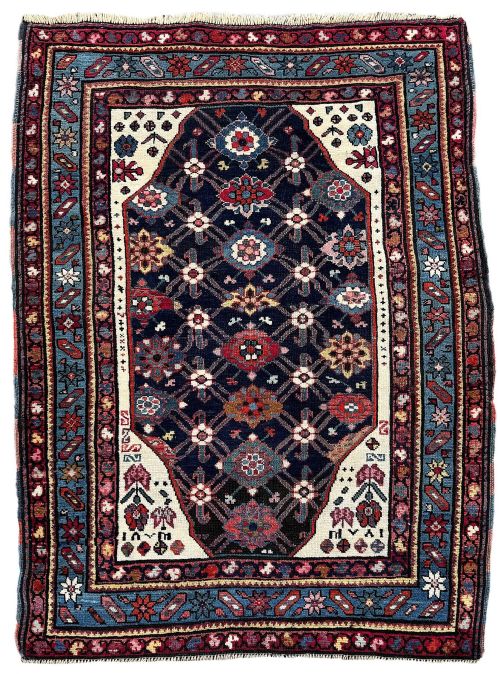
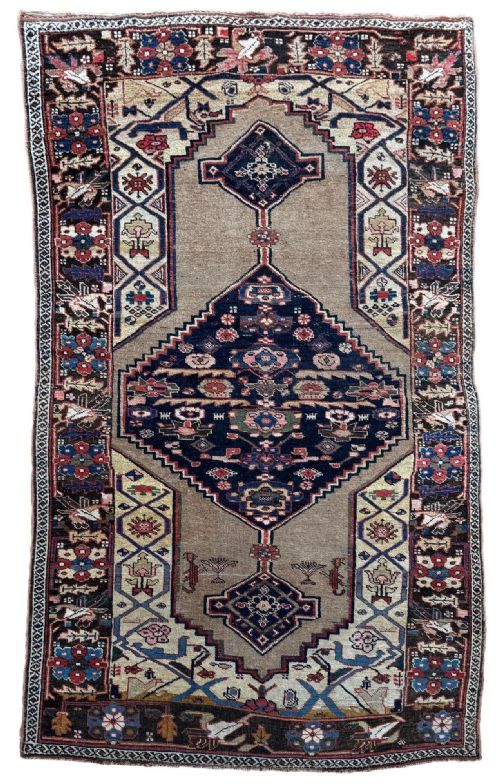
A blue accent rug covers small floor areas using traditional Persian, Caucasian, and Anatolian tribal designs. These pieces originate from village workshops and nomadic tribes dating from the nineteenth century into the early twentieth century.
The inventory on this page consists primarily of compact area rugs, hearth sizes, and prayer formats alongside occasional carpet cushions. Buyers find formats like the Karaja, Heriz, and Afshar frequently.
Origin points span from specific Persian provinces like Kerman and Heriz up to Caucasian regions such as Daghestan and Karabagh. Each piece carries geometric medallions or village motifs executed in varied indigo and sapphire tones.
Materials and construction
Weavers constructed these textiles predominantly using hand-spun wool for the pile, paired with cotton warps and occasional silk highlights. Natural dyes provided the stable indigo and blue hues that ground the regional patterns.
Nomadic and village artisans tied the wool yarn by hand onto vertical looms, incorporating techniques specific to tribes such as the Baluch, Afshar, and Senneh. This manual process produced dense, durable surfaces intended for daily domestic use.
Blue Accent Rug Retail Price Guide 2026
Typical asking prices for blue accent rug among the pieces listed under this phrase on Sellingantiques today, from the lower quarter to the upper quarter. They describe what is for sale here now, not the wider market.
Listings span periods from the nineteenth century through the nineteen-thirties, featuring wool, cotton, silk, and natural dyes.
Factors determining quality
Quality rests in the precision of the tribal geometry and the depth of the natural dye palette. Tightly packed knots and resilient hand-spun wool distinguish superior tribal weaves from simpler village output.
The crispness of drawing within medallions and borders indicates the weaver's mastery. Well-preserved pile height and intact original selvedges elevate a textile within its specific regional group.
The Blue Accent Rug Glossary
- Medallion
- A central ornamental motif set into the field of a rug. It dominates the geometric composition in Heriz and Karaja pieces.
- Warp
- The vertical threads stretched across the loom that form the structural foundation of the rug. Cotton warps provide stability to the wool pile.
- Selvedge
- The finished edge binding running along the longitudinal sides of a rug. Original selvedges protect the structure from fraying.
- Prayer rug
- A small format featuring a mihrab or arch design used traditionally for daily devotions. Examples appear frequently from Caucasian and Anatolian origins.
- Pile
- The upright yarn surface formed by knotted wool or silk. The depth and density of this layer dictate the tactile feel underfoot.
Blue Accent Rug: Frequently Asked Questions
Where were these rugs made?
The inventory originates from villages and nomadic regions across Persia, the Caucasus, and Anatolia. Key areas include Heriz, Karaja, Daghestan, and the Kerman province.
Specific tribes such as the Afshar and Baluch also produced these distinctive floor coverings during the nineteenth and early twentieth centuries.
How do I care for an antique rug?
Protect the textile by placing it in low-traffic areas away from direct, harsh sunlight to preserve the natural wool dyes. Vacuum gently without using a beater bar.
Professional cleaning tailored to antique textiles maintains the integrity of the hand-spun wool and cotton foundation over time.
How are periods identified?
Dating relies on stylistic markers, dye analysis, and structural characteristics unique to specific decades between eighteen-eighty and nineteen-thirty. Natural dye palettes and specific tribal motifs point toward earlier nineteenth-century origins.
Structural traits like wool quality and hand-spun consistency help narrow the timeline for each individual piece.