

Blue Accent Armchair
A blue accent armchair brings a purposeful splash of colour to a room, offering comfortable seating shaped by centuries of design.
Blue Accent Armchair
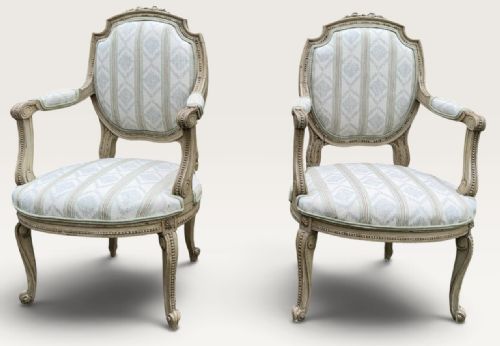
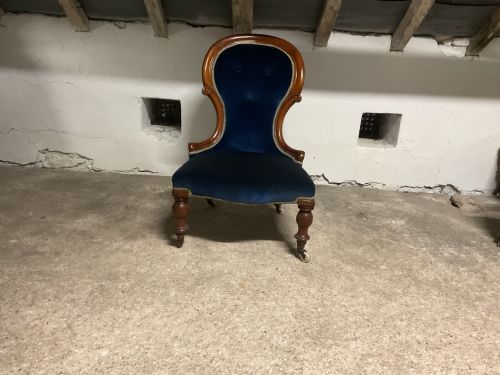
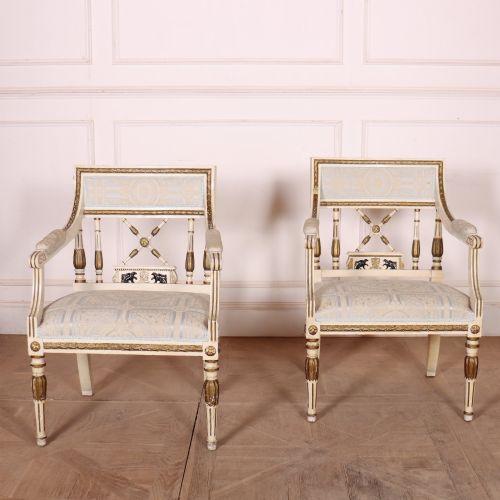
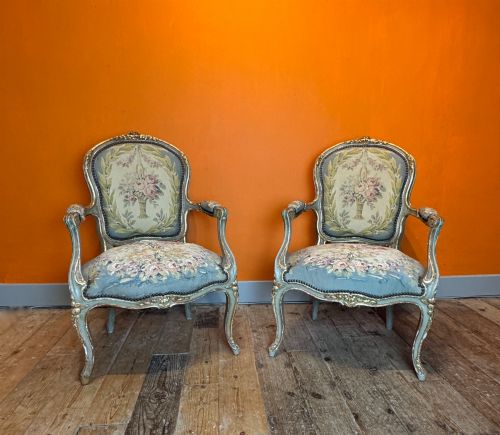
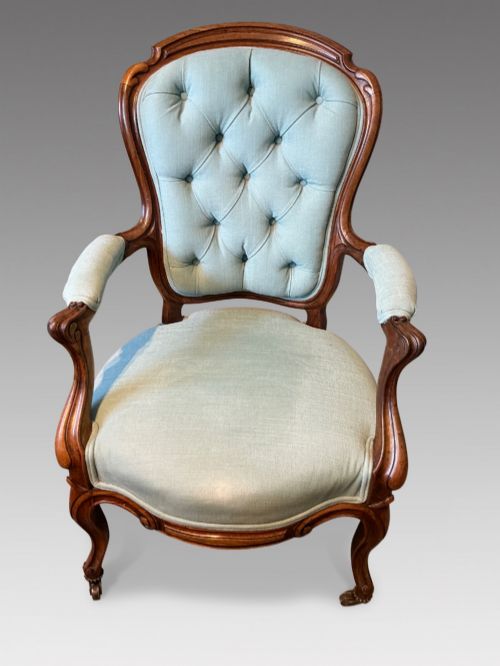
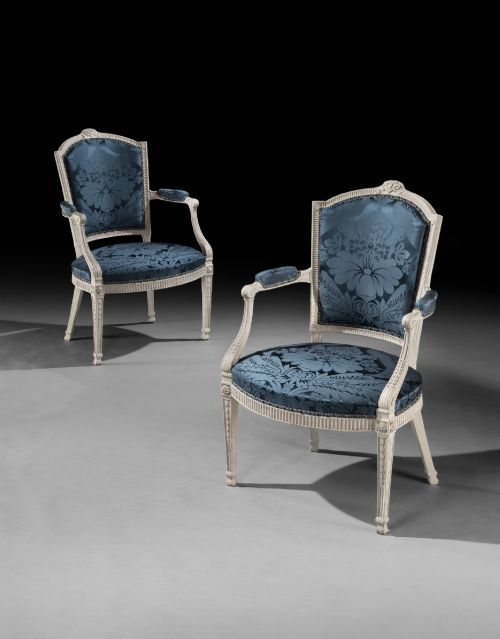
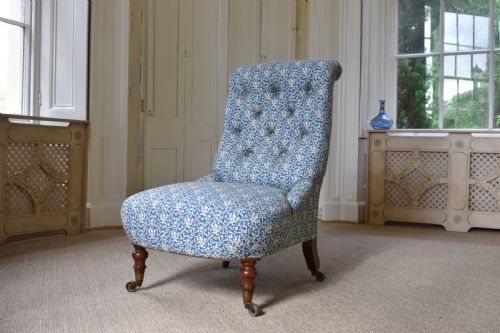
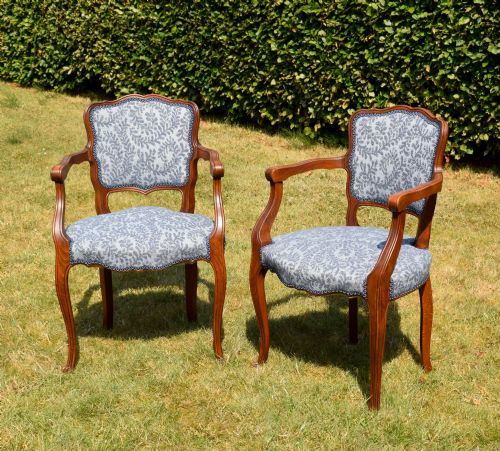
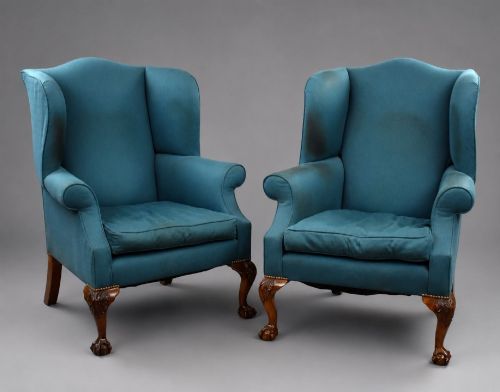
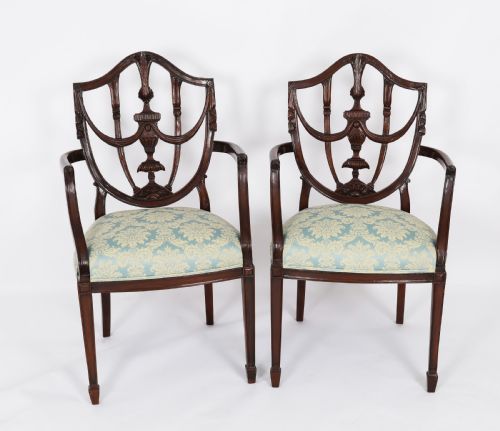
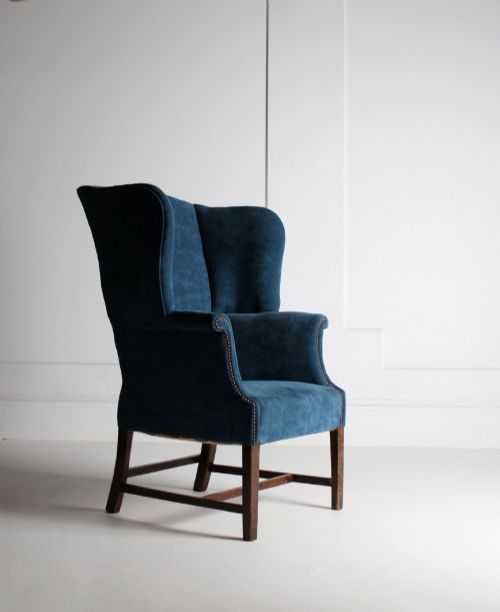
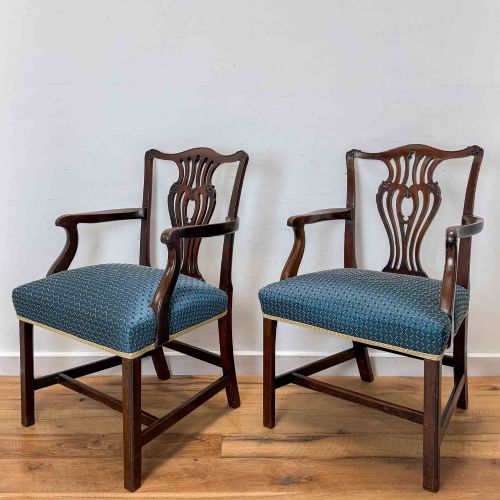
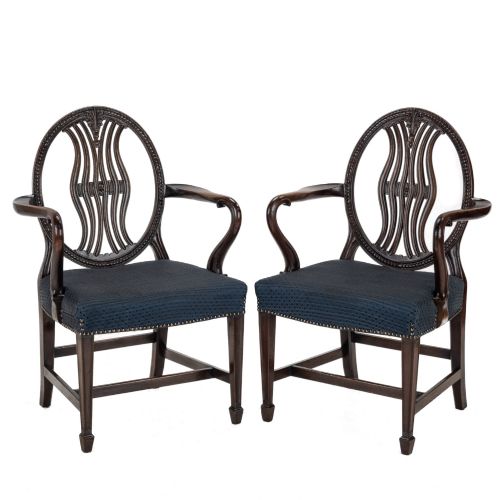
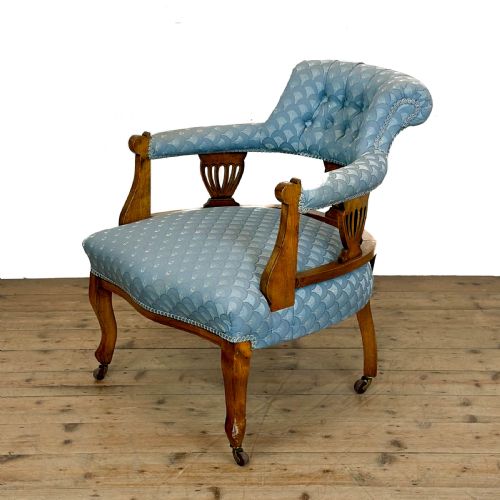
A blue accent armchair is a seat designed to stand out within a room, drawing on forms that range from compact bedroom chairs to substantial library and wingback seating. When searching for a blue accent armchair, buyers encounter pieces spanning the eighteenth, nineteenth and early twentieth centuries, reflecting styles such as Victorian, Edwardian, Louis XVI and Art Deco. These chairs include open armchairs, slipper chairs, nursing chairs and bergères, shaped by makers and workshops across Britain, France, Italy, Sweden and America.
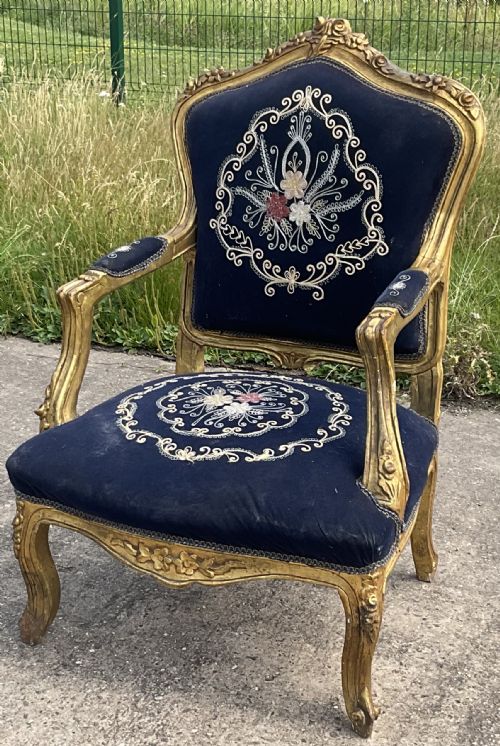
The materials supporting these chairs show considerable variety, combining timber frames of mahogany, walnut, oak, beech and giltwood with upholstery in fabric and velvet. Many pieces feature painted, parcel gilt or original paint finishes, while structural details encompass scroll arms, high backs, shield backs and barrel backs. This selection balances decorative presence with practical seating, suiting sitting rooms, bedrooms and libraries alike.
How they were made
Frames are constructed from hardwoods such as mahogany, walnut, oak and beech, frequently carved, painted or gilded to achieve specific stylistic effects. Joinery techniques secure the structural integrity of open arms, high backs and cabriole or tapered legs.
Upholstery relies on traditional materials and techniques, housing stuffing within fabric, velvet or tapestry coverings. Brass elements sometimes appear as castors, tacks or decorative mounts, while exposed wood surfaces display polished grains or original paint.
Listings span periods from the 18th century through to the 1930s, featuring woods like mahogany, walnut, oak, and beech.
What varies in quality
Quality rests in the precision of the woodwork, the crispness of carved or gilded detail, and the integrity of the frame. Superior examples display harmonious proportions and balanced execution across arms, legs and backs.
The standard of upholstery and the preservation of original finishes, such as early paint or gilt, further distinguish finer examples from standard production. Maker attribution also plays a role, with documented workshops commanding distinct interest.
Howard & Sons·Whytock & Reid
The Blue Accent Armchair Glossary
- Bergère
- An enclosed upholstered armchair with wooden framing around the sides and back. It frequently incorporates cane work or tight upholstery.
- Fauteuil
- An open-framed upholstered armchair originating in France, featuring exposed wooden arms and legs. The woodwork is often carved, painted or gilded.
- Gainsborough armchair
- A wide, open-framed seat with upholstered back and armrests, raised on short legs. This eighteenth-century form is typically executed in mahogany.
- Slipper chair
- A low-seated upholstered chair designed for bedrooms and dressing rooms. It lacks armrests to permit easier movement during dressing.
- Wingback armchair
- A high-backed seat featuring protective wings designed to shield the occupant from drafts. It rests on various leg styles according to its period.
Blue Accent Armchair: Frequently Asked Questions
Where should I place a blue accent armchair?
A blue accent armchair works well in living rooms, bedrooms, or libraries where a distinct splash of colour is required. Its form can anchor an empty corner or pair with a sofa.
Consider the scale of the chair relative to surrounding furniture to ensure comfortable movement around the piece.
How do I identify the period of an armchair?
Dating relies on observing structural forms, carving styles, and timber choices that align with Victorian, Edwardian, or earlier neoclassical traditions. Details like scroll arms or shield backs point to specific design eras.
Construction methods and tool marks on the timber frame further clarify the age of the piece.
Are these chairs suitable for daily seating?
Most antique and vintage armchairs are built with robust hardwood frames designed for regular use. Reupholstered pieces offer fresh internal support while retaining historic outer frames.
Checking the depth and height of the seat ensures it matches your personal comfort preferences.